
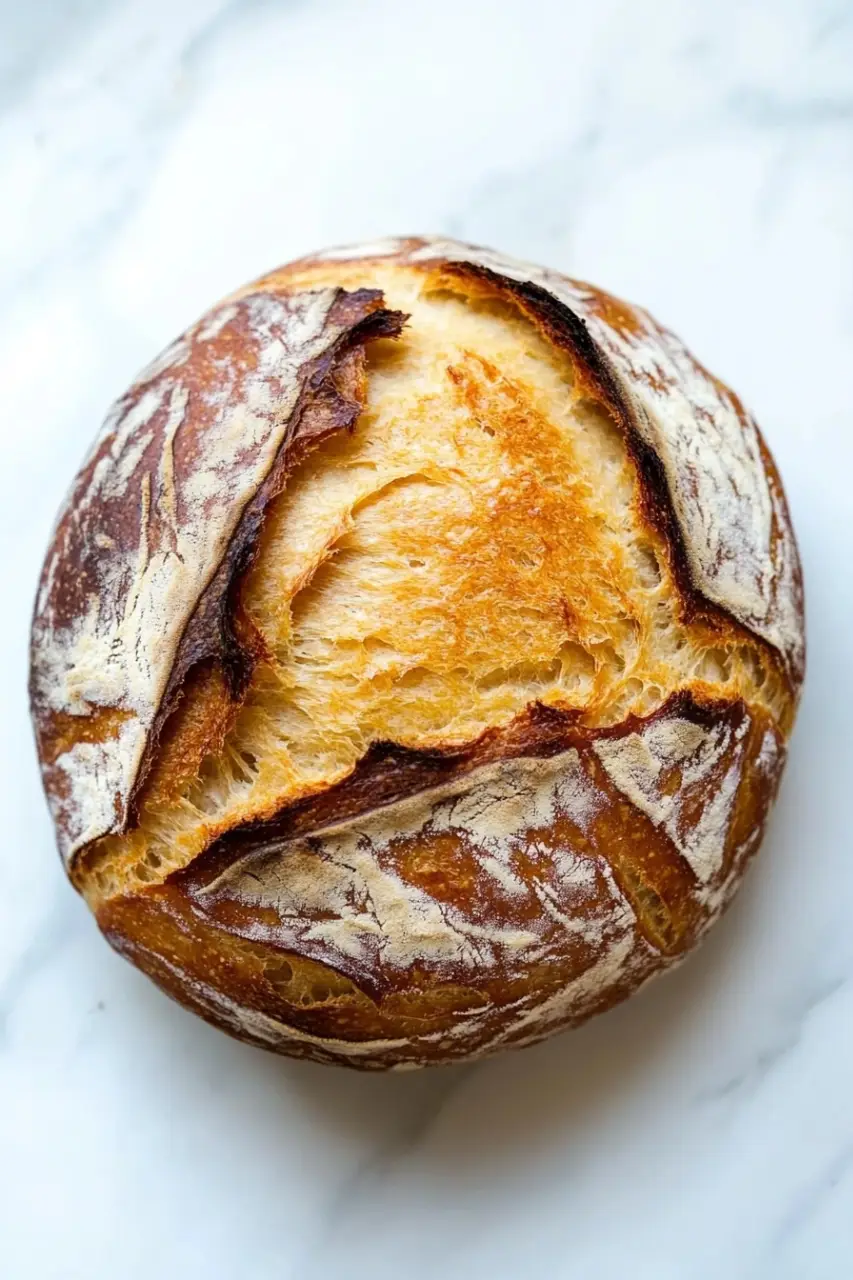
There’s something about the smell of freshly baked bread that instantly makes any day feel a bit warmer. This yeast bread with buttermilk isn’t just another loaf—it’s a small, quiet moment of comfort that sneaks into your afternoon. It’s the kind of bread you slice while still slightly warm, the crust gentle enough to tear with your fingers and the crumb tender and moist, carrying a subtle tang from the buttermilk that sets it apart.
I remember the first time I baked this bread. I was a little distracted—half-listening to a podcast and watching the dough rise in its bowl, wondering if I’d added enough flour or if I’d overdone the water. Somehow, those little uncertainties faded as the kitchen filled with that cozy, yeasty aroma. When it finally came out of the oven, golden and soft, I couldn’t resist a quick slice, slathered with butter that melted into every nook and cranny. It didn’t look perfect—I’d pressed the dough a bit unevenly—but it tasted like something worth sharing.
- Soft crumb with a tender crust, perfect for sandwiches or alongside dinner.
- The buttermilk adds a gentle tang that’s noticeable but not overpowering.
- Requires some patience for rising, but the hands-off wait makes it easy to fit into a busy day.
- It’s simple—and that’s kind of the point. No complicated ingredients or techniques here.
If you’re worried about the rising times or the feel of the dough, don’t be. It’s forgiving and doesn’t demand perfection. Just a little warmth and time, and the magic happens.
PrintYeast Bread with Buttermilk
A soft and flavorful yeast bread made with tangy buttermilk, perfect for sandwiches or as a side to any meal.
- Prep Time: 15 minutes
- Cook Time: 35 minutes
- Total Time: 1 hour 50 minutes
- Yield: 12 slices
Ingredients
3 1/2 cups all-purpose flour, divided
1 cup buttermilk, warmed to about 110°F
2 1/4 teaspoons active dry yeast (one 7g packet)
2 tablespoons granulated sugar
1 teaspoon salt
2 tablespoons unsalted butter, melted and cooled
1/4 cup warm water (about 110°F)
Instructions
In a small bowl, combine the warm water, yeast, and 1 teaspoon of sugar. Stir gently and let sit for 5 to 10 minutes until the mixture becomes foamy.
In a large mixing bowl, whisk together 3 cups of flour, the remaining 1 tablespoon sugar, and salt.
Add the warmed buttermilk, melted butter, and the activated yeast mixture to the dry ingredients. Stir with a wooden spoon or dough hook until combined.
Gradually add the remaining 1/2 cup flour, a little at a time, kneading the dough until it is soft, smooth, and slightly sticky but pulls away from the sides of the bowl.
Turn the dough onto a lightly floured surface and knead for about 8 to 10 minutes until elastic and smooth. Add small amounts of flour as needed to prevent sticking but avoid adding too much.
Place the dough in a lightly greased bowl, turning once to coat the surface. Cover the bowl with a clean kitchen towel or plastic wrap and let the dough rise in a warm, draft-free place for about 1 hour or until doubled in size.
Punch down the dough to release air. Turn it out onto a lightly floured surface and shape it into a loaf.
Place the shaped dough into a greased 9×5-inch loaf pan. Cover loosely with a towel and let rise again for 30 to 40 minutes until the dough has risen about 1 inch above the rim of the pan.
Preheat the oven to 375°F (190°C).
Bake the bread in the preheated oven for 30 to 35 minutes until the top is golden brown and the loaf sounds hollow when tapped.
Remove the bread from the oven and let it cool in the pan for 10 minutes. Then transfer the loaf to a wire rack to cool completely before slicing.
Making this bread doesn’t call for special equipment—just a bowl, a loaf pan, and some patience. I usually serve it warm with a smear of good butter or tucked around leftover roast chicken. Sometimes I’ve tried adding a handful of herbs or a touch of honey, but honestly, the basic recipe stands strong on its own. If you want to experiment, maybe a sprinkle of seeds on top before baking could be fun. Or, if you’re feeling adventurous, a swirl of cinnamon sugar inside for a sweet twist—I haven’t tested all those variations yet, but hey, that’s part of the charm.
FAQ
Can I use regular milk instead of buttermilk? You could, but the tangy flavor and tender texture come from the buttermilk, so it might change the taste and softness a bit.
What if my dough feels too sticky? Just dust your hands or the surface lightly with flour as you knead. The dough should be soft but manageable.
How do I know when the bread is done baking? It should be golden brown on top and sound hollow when tapped gently on the bottom.
Can I freeze the bread? Yes, wrap tightly and freeze for up to three months. Thaw at room temperature before slicing.
Give this yeast bread with buttermilk a try when you want something a little more special than store-bought but still straightforward. It’s the kind of bread that makes a simple meal feel like a small celebration.