
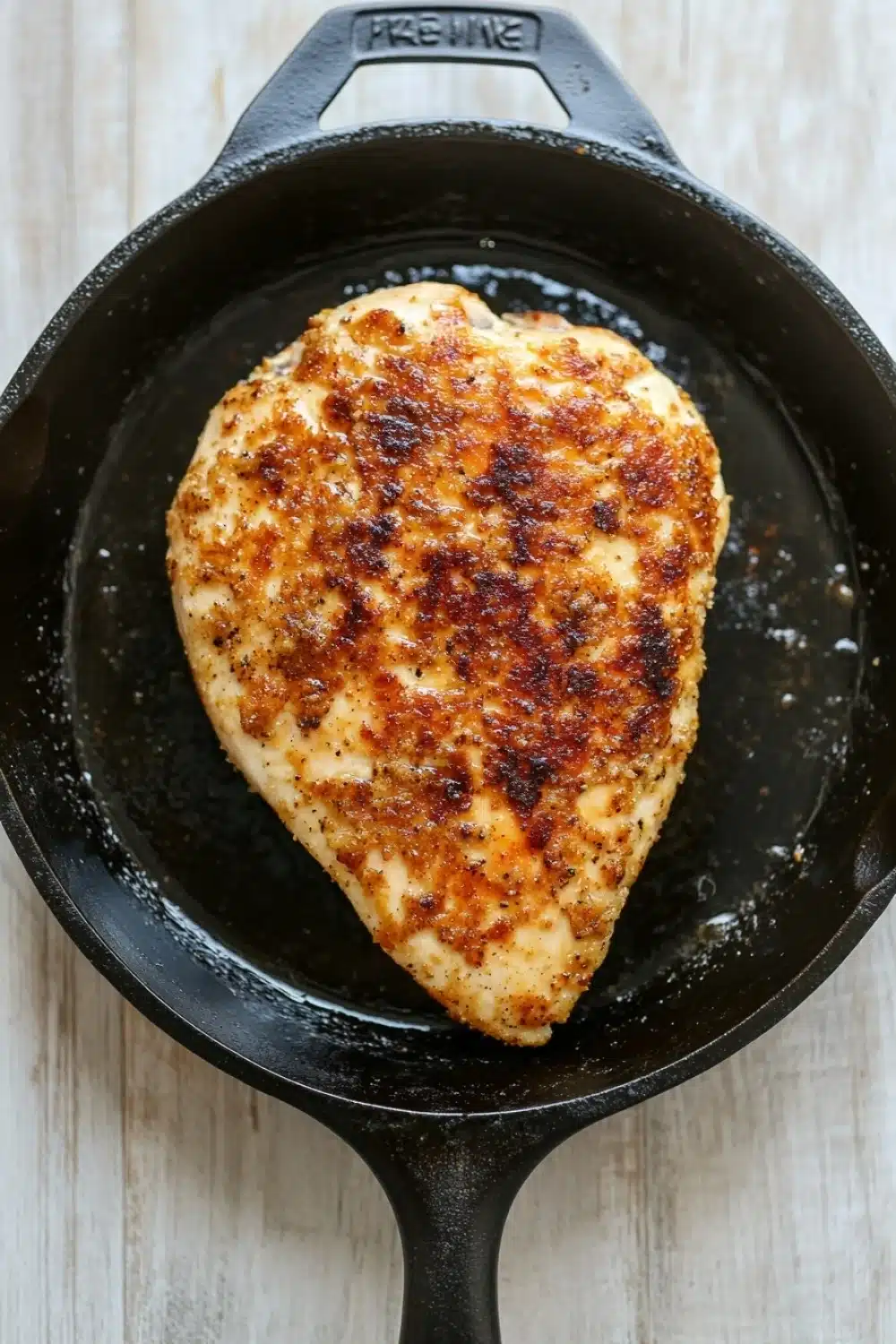
There’s something almost primal about firing up a cast iron skillet. The clang, the sizzle—pure music to any home cook’s ears. On this particular day, I was chasing that perfect chicken breast: the one with a golden crust that snaps under the knife before giving way to juicy, tender meat inside. No frills, just good old-fashioned seasoning and technique. Slapping those chicken breasts onto the hot skillet, I could almost hear a whisper from the pan—”Don’t move ‘em.” This isn’t the time to fiddle with your phone or your watch. A steady hand, patience, and a bit of butter-basting later, the kitchen filled with the smoky aroma of paprika and garlic. It’s a simple dance, but a rewarding one. For me, this skillet method is the go-to hack when I need a quick, no-nonsense dinner that doesn’t skimp on flavor or texture. If you’ve been stuck in the rut of rubbery chicken, trust me, cast iron and a little elbow grease are your best pals. So, grab your tongs and get ready to nail this classic—your taste buds will thank you.
If you’re looking to expand your cooking skills, try making no-knead bread for a perfect homemade touch.
Why Pan-Seared Chicken Breast in Cast Iron is a Weeknight Game-Changer
- Juicy Every Time: The cast iron’s even heat distribution means you skip the common dry chicken fiasco—perfectly cooked, locked-in juices every go-round.
- Minimal Ingredients, Maximum Flavor: With just salt, pepper, garlic powder, and smoked paprika, you’re not fussing over a laundry list of spices. It’s straightforward, honest seasoning that punches way above its weight.
- Speedy Prep and Cook: From fridge to table in about 25 minutes flat. Ideal for those nights when you’re racing the clock but refuse to settle for takeout.
- Butter Basting Magic: Spoon-basting with butter while cooking adds that old-school richness and helps develop a gorgeous golden crust—no fancy gadgets needed.
- Leftover-Friendly: Keeps well and reheats without turning into shoe leather. Great for meal-prep or sandwich upgrades midweek.
Pan-Seared Chicken Breast in Cast Iron Skillet

A simple and juicy pan-seared chicken breast cooked to perfection in a cast iron skillet, seasoned with basic spices for a flavorful and tender result.
- Prep Time: 10 minutes
- Cook Time: 15 minutes
- Total Time: 25 minutes
- Yield: 2
Ingredients
2 boneless skinless chicken breasts, about 6 ounces each
1 teaspoon kosher salt
1/2 teaspoon freshly ground black pepper
1/2 teaspoon garlic powder
1/2 teaspoon smoked paprika
2 tablespoons olive oil
1 tablespoon unsalted butter
Instructions
Remove the chicken breasts from the refrigerator and pat them dry with paper towels.
Season both sides of each chicken breast evenly with kosher salt, black pepper, garlic powder, and smoked paprika.
Heat the cast iron skillet over medium-high heat for about 3 minutes until hot.
Add the olive oil to the skillet and swirl to coat the bottom evenly.
Place the chicken breasts in the skillet, smooth side down, and cook without moving for 6-7 minutes until the underside is golden brown.
Flip the chicken breasts over using tongs and add the butter to the skillet.
Cook for an additional 6-7 minutes, spooning the melted butter over the chicken breasts occasionally, until the internal temperature reaches 165°F (74°C).
Remove the chicken breasts from the skillet and let them rest on a plate for 5 minutes before slicing and serving.
Explore more:
Dinner Recipes
Mastering the Pan-Seared Chicken Breast in Cast Iron Skillet
Substitution Secrets
Look, not everyone has kosher salt or smoked paprika sitting pretty in their spice rack. No worries—I’ve been there, staring blankly at a half-empty shelf. If kosher salt’s MIA, reach for sea salt or even table salt, but dial it back slightly—table salt is punchier, so use about half the amount. As for smoked paprika, if you crave that smoky backbeat but can’t find it, regular paprika paired with a tiny pinch of cumin or chipotle powder will do the trick. Garlic powder? Ground fresh garlic or even garlic flakes crushed finely can stand in. And olive oil? Swap it with avocado oil or even grapeseed oil—both handle the skillet’s heat without throwing a tantrum.
The Science
Pan-searing chicken breast in a cast iron skillet is a bit like a science experiment with yummy results. The secret sauce is heat retention and Maillard reaction—the browning that happens when proteins and sugars meet high heat. Cast iron is boss here; it gets hot and stays hot, creating that golden crust that locks juices inside. Patting the chicken dry? That’s no fluff step—moisture is the enemy of browning. If the surface is wet, you’re steaming instead of searing, which spells sad, pale chicken. Butter’s role isn’t just flavor; it bastes and helps develop a nutty aroma, melding with the smoky paprika to create a robust flavor profile. And always, let the chicken rest—otherwise, you’re slicing juice right onto the cutting board.
Real-world Fix
Here’s where the rubber meets the road. Sometimes that chicken sticks like it’s glued to your skillet, or worse, ends up dry as desert dust. Pro tip: Make sure your pan is truly hot before you slap the chicken down—it should sizzle like a rock concert. If it resists releasing, give it more time—flipping too soon is rookie talk and ends in shreds. Patience, young padawan. Also, keep an eye on the heat; if it’s too high, you’ll get a burnt crust and raw core. Using a meat thermometer is your golden ticket—165°F and you’re in the safe and juicy zone. Forgot the thermometer? Press the chicken; firm but springy means done. Lastly, those resting minutes? Don’t skip them. I once rushed that step and ended up with a dry slice of regret. Trust the process—it pays back in juicy, tender bites every time.
Pan-Seared Chicken Breast FAQ
How do I know when my chicken breast is done without a thermometer?
If you don’t have a meat thermometer, look for juices running clear and the meat feeling firm but not rock hard. Cutting into the thickest part should reveal no pinkness. Still, a quick thermometer check is the golden ticket for foolproof results.
Is it really necessary to pat the chicken dry before cooking?
Absolutely. Moisture is the enemy of a good sear. I once skipped this step and ended up with a sad, steamed chicken. Drying the chicken ensures that crusty, golden brown magic happens instead of a soggy mess.
Can I use a non-cast iron skillet for this recipe?
You can, but cast iron is the MVP here — it retains heat like a dream and gives you that unbeatable crust. Non-stick pans might not get hot enough or provide the same searing edge.
Why do we add butter halfway through cooking?
Butter melts into the pan and bastes the chicken, adding richness and helping to brown the meat evenly. Plus, that nutty butter flavor is like the secret sauce that brings it all together.
What’s the best way to reheat leftover chicken without drying it out?
Slow and low wins the race. Reheat in a skillet over low heat with a splash of water or broth, covered, to keep things moist. Microwave if you must, but don’t overdo it — nobody wants rubber chicken.