
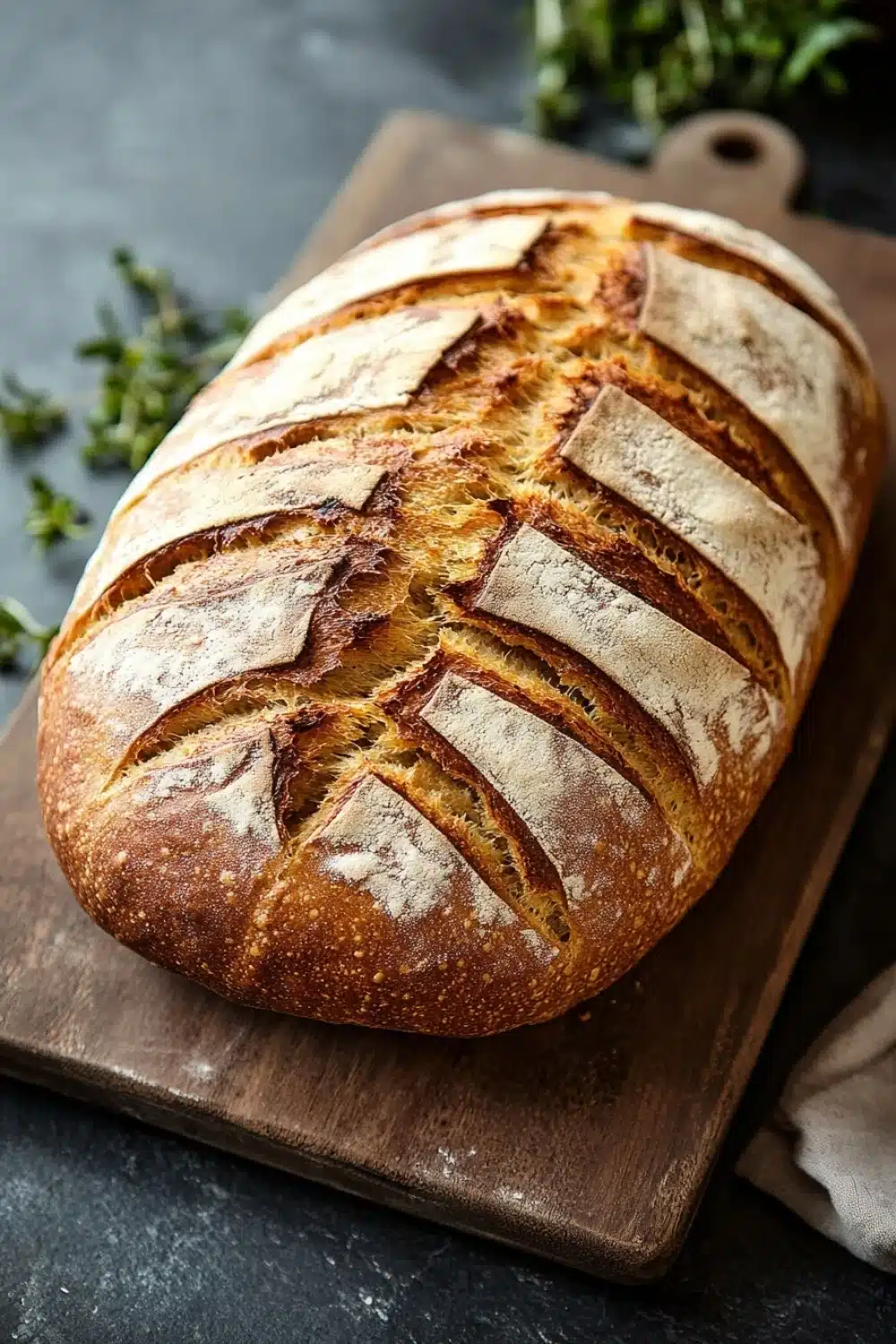
Bread magic starts here.
There’s something about yeast bread that grabs me every time. The little bubbles dancing in the dough, the warm smell hitting the air as it bakes, and the satisfying crunch of a golden crust—all without a single animal product. This vegan yeast bread recipe is the real deal: soft, fluffy, and just begging to be slathered with plant butter or piled with your favorite sandwich fixings.
Baking bread from scratch can feel like a tango with time and patience. I remember the first time I let the dough rise—watching it puff up like a balloon, almost like it had a mind of its own. That glow of anticipation is what keeps me coming back, mixing and kneading until the dough is smooth and ready to fly into the oven.
Grab your wooden spoon, dust off your flour, and let’s get this bread show on the road. It’s one small step for your kitchen, one giant leap for plant-based snacking.
If you’re interested in trying something different, check out our recipe to Savor Dinner Turkey Meatballs with Zucchini Noodles Tonight for a delicious twist.
Real Life Benefits of Baking This Vegan Yeast Bread
- Perfect for anyone living the plant-based life—no eggs, no dairy, just pure simple ingredients.
- The dough is forgiving and kid-friendly, making it a fun weekend project to get the little ones involved—flour everywhere guaranteed!
- That golden crust and pillowy interior? Ideal for sandwiches that don’t fall apart, whether you’re packing a lunchbox or making a toasted snack on the fly.
- Store it on your counter or stash it in the freezer—this bread plays nice with your busy schedule, staying fresh for days or months if you prep ahead.
Vegan Yeast Bread
A classic, soft, and fluffy vegan yeast bread made without any animal products. Perfect for sandwiches, toast, or just enjoying warm with vegan butter.
- Prep Time: 15 minutes
- Cook Time: 30 minutes
- Total Time: 1 hour 30 minutes
- Yield: 12 slices
Ingredients
3 cups (360 grams) all-purpose flour
1 cup (240 ml) warm water (about 110°F / 43°C)
2 1/4 teaspoons (7 grams) active dry yeast
2 tablespoons (25 grams) granulated sugar
1 teaspoon (6 grams) salt
2 tablespoons (30 ml) vegetable oil
1/4 cup (60 ml) unsweetened plant-based milk (such as almond or soy), warmed
Instructions
In a small bowl, combine the warm water, sugar, and active dry yeast. Stir gently and let it sit for 5 to 10 minutes until it becomes frothy.
In a large mixing bowl, whisk together the all-purpose flour and salt.
Make a well in the center of the flour mixture and pour in the yeast mixture, vegetable oil, and warmed plant-based milk.
Mix with a wooden spoon or your hands until a rough dough forms.
Turn the dough out onto a lightly floured surface and knead for about 8 to 10 minutes until the dough is smooth and elastic. Add a little flour if the dough is too sticky, but keep it soft.
Lightly oil a large bowl and place the dough inside, turning it to coat with oil.
Cover the bowl with a clean kitchen towel or plastic wrap and let the dough rise in a warm, draft-free place for about 1 hour, or until it has doubled in size.
Preheat your oven to 375°F (190°C).
Punch down the risen dough to release the air and turn it out onto a lightly floured surface.
Shape the dough into a loaf and place it into a greased 9×5-inch (23×13 cm) loaf pan.
Cover the loaf pan with a towel and let the dough rise again for about 30 minutes, until it has risen just above the edge of the pan.
Bake the bread in the preheated oven for 25 to 30 minutes, or until the top is golden brown and the bread sounds hollow when tapped.
Remove the bread from the oven and let it cool in the pan for 10 minutes.
Transfer the bread to a wire rack to cool completely before slicing.
Explore more:
Breakfast Recipes
Mastering Vegan Yeast Bread: Tricks, Tweaks, and Troubleshooting
The Not-So-Secret Swap: Plant Milk and Oil—Why They Matter
Let’s get real—dairy-free doesn’t have to mean dry or dull. The plant-based milk (almond, soy, oat—you name it) adds just enough fat and moisture to keep the crumb tender, mimicking the richness that cow’s milk once contributed. Skip it, and you’re flirting with a bread that’s more brick than pillow. Vegetable oil plays a quiet but crucial sidekick role, lubricating gluten strands for a softer chew and that coveted bounce-back texture. I’ve swapped out oils—sunflower, avocado, even grapeseed—and each change shifts the final mouthfeel subtly, like tuning a guitar string tighter or looser. So if you want to riff on the recipe, start by messing with your oil source rather than water or flour ratios.
The Rise and Grind: Why Your Dough’s Behavior Tells the Whole Story
First rise: it’s your dough’s coming-out party. Yeast wakes up from its sugar high and starts the gas party, puffing up the dough till it doubles. But here’s where many bakers throw in the towel—too cold a spot? The yeast naps instead of dances. Too hot? It dies off like a one-hit wonder. I swear by my windowsill—or in winter, inside my oven with the light on (not the heat!).
When you punch down the dough after that first rise, it isn’t just about deflating; it’s about redistributing yeast cells and getting rid of giant air bubbles that’d otherwise cause weird holes. The second rise? Think of it as the encore—giving the dough one last puff before the big stage (the oven). Skip or rush this, and you end with a dense loaf that’s just sad.
Pro tip: If your dough feels sticky and unmanageable, resist the urge to dump in more flour—this is the classic rookie trap. Instead, lightly oil your hands and keep kneading; the dough will come around, like a stubborn friend who just needs a little patience.
Fixing the Flop: When Your Bread Doesn’t Play Nice
So you’ve baked your vegan yeast bread and it’s… less than stellar? Maybe dense, maybe gummy, maybe it didn’t rise properly. Don’t toss it yet—there are fixes and reasons behind every flop.
Dense texture often comes from under-kneading or rushing the rise. Yeast needs TLC—time to stretch gluten and gas to create that airy crumb. Gummy insides? Usually underbaked or from excess moisture. A quick poke test—if it feels squishy, it likely needs a few more minutes. Also, remember that the oven temperature can be a sneaky villain; an inaccurate thermometer means your bread might be baking at 350 instead of 375°F, throwing the whole balance off.
If your loaf is flat or didn’t rise? Check your yeast freshness. Old yeast is a party pooper. I once tried a new brand straight from the back of the pantry and watched my dough sit there like a sad pancake. Yeast is alive—treat it like a pet: feed it sugar, warm water, and give it space to grow.
Lastly, when slicing, wait until the bread cools completely. Cutting too soon is a rookie gaffe that crushes the crumb and turns your bread into a sad, squashed mess. Trust me, the wait is worth it.
Vegan Yeast Bread FAQs
- Can I use instant yeast instead?
- Yes, you can swap active dry yeast for instant yeast. Just mix it directly with the flour—skip the warm water activation step. It speeds things up, but watch your dough because it might rise faster than usual.
- How do I know when the dough has risen enough?
- Look for the dough to double in size—that’s your green light. A quick finger poke test helps: if the indentation springs back slowly but not completely, your dough’s ready. Too fast or too slow? Adjust your rising spot temperature accordingly.
- Can I add seeds or nuts to this bread?
- Absolutely! Throw in your favorites—sunflower seeds, flaxseeds, or chopped walnuts. Add them during the initial mixing stage so they’re well incorporated without messing up the dough’s structure.
- Does the type of plant-based milk matter?
- Nope. Almond, soy, oat—you name it. Just use unsweetened versions to keep the bread’s flavor clean and avoid unintended sweetness that could throw off the balance.
- Can I freeze the bread?
- Yes. Let it cool completely, then wrap it tightly in plastic wrap and a layer of foil or a freezer bag. Freeze up to three months. Thaw at room temp to keep the crumb nice and soft.