
Let’s get real.
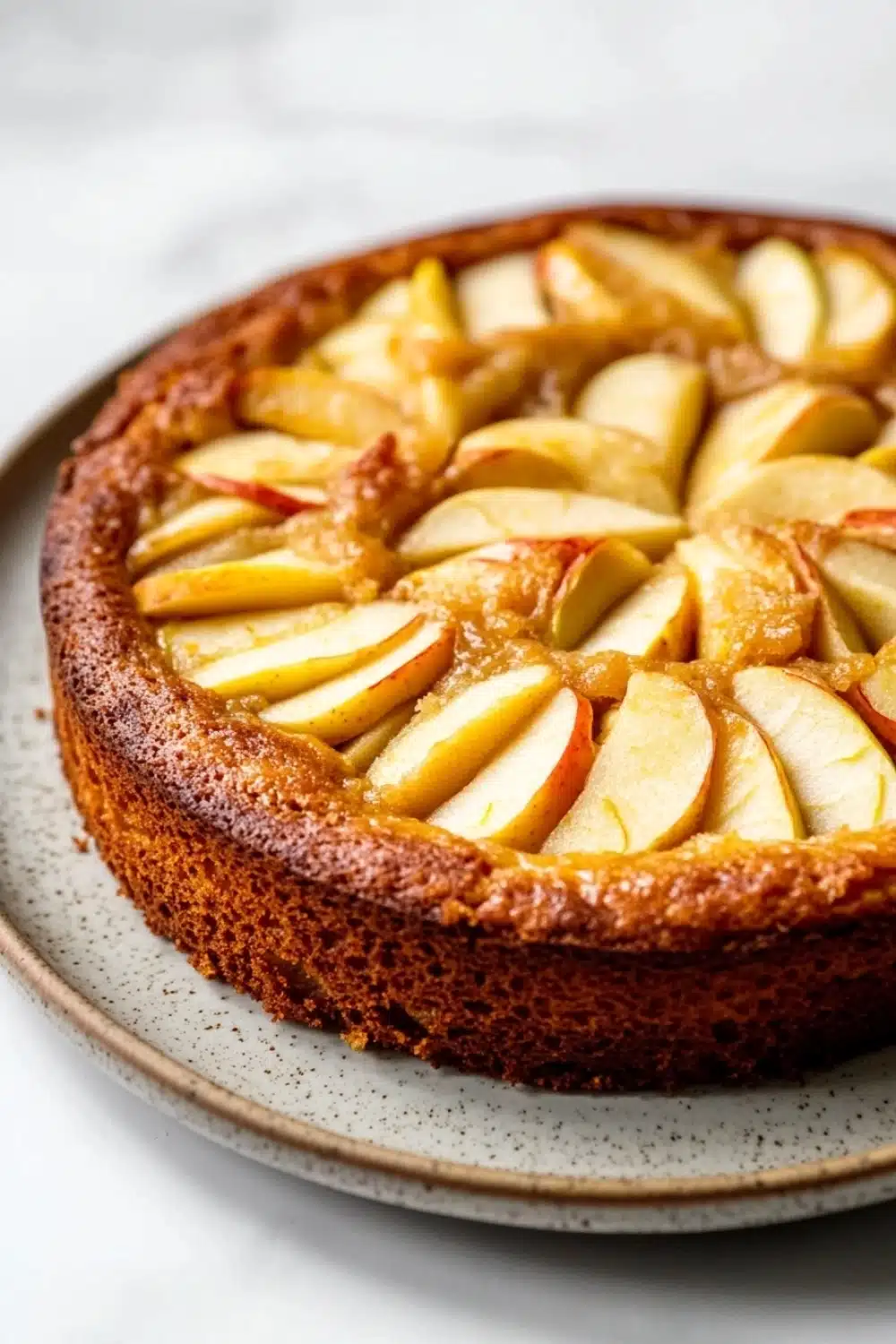
There’s something about the way fresh apple slices nestle into a tender batter that makes a kitchen feel like home. The aroma of cinnamon swirling through the air — not too loud, just a whisper — pulls you in like a cozy Korean cafe tucked away on a quiet street. I remember the first time I baked this apple cake Korean style; it was one of those rare afternoons where the world slowed down and every bite felt like a small victory.
Mixing the simple ingredients, I realized this cake isn’t just about fruit and flour; it’s about the textures, the balance, and that subtle, almost shy sweetness that doesn’t overpower but invites you back for one more slice. This isn’t your grandma’s apple cake—it’s a fresh take that’s light, moist, and just the right amount of cinnamony. And hey, if you’re wondering if it pairs well with tea or coffee? Absolutely. No contest.
Ready to roll up your sleeves? Let’s make some magic happen.
Discover more delightful morning treats in our Breakfast recipe collection to complement your apple cake Korean experience.
Why Korean Apple Cake Wins Every Time
- Quick prep—20 minutes to toss those apples and mix the batter. Perfect for last-minute cravings or impromptu guests.
- Moist and tender texture that stays fresh even a couple of days after baking. No one has to choke on dry cake here.
- The cinnamon aroma sneaks in just enough to hint at cozy fall vibes without overpowering the fresh apple slices layered inside.
- Versatile dessert or afternoon tea partner—pairs beautifully with a strong black coffee or a milky chai, depending on your mood.
- Easy storage options—from room temp to fridge or freezer. Keeps your options open without turning into a crusty brick.
Korean Apple Cake
A moist and tender Korean-style apple cake featuring fresh apple slices and a light cinnamon aroma, perfect for a comforting dessert or afternoon tea.
- Prep Time: 20 minutes
- Cook Time: 40 minutes
- Total Time: 1 hour
- Yield: 8
Ingredients
2 medium apples (about 300g), peeled, cored, and thinly sliced
1 tablespoon lemon juice
1 1/2 cups (190g) all-purpose flour
1 teaspoon baking powder
1/4 teaspoon baking soda
1/2 teaspoon ground cinnamon
1/4 teaspoon salt
3/4 cup (150g) granulated sugar
1/2 cup (120ml) whole milk
1/4 cup (60ml) vegetable oil
2 large eggs
1 teaspoon vanilla extract
Instructions
Preheat the oven to 350°F (175°C). Grease and flour an 8-inch (20 cm) round cake pan.
In a small bowl, toss the sliced apples with lemon juice to prevent browning. Set aside.
In a medium bowl, whisk together the all-purpose flour, baking powder, baking soda, ground cinnamon, and salt until well combined.
In a large bowl, beat the granulated sugar and eggs together until the mixture is pale and slightly thickened, about 2-3 minutes.
Add the vegetable oil, milk, and vanilla extract to the egg mixture and mix until fully incorporated.
Gradually add the dry ingredients to the wet ingredients, folding gently with a spatula until just combined. Do not overmix.
Pour half of the batter into the prepared cake pan and spread evenly.
Arrange half of the apple slices evenly over the batter layer.
Pour the remaining batter over the apple slices and spread gently to cover.
Top the cake with the remaining apple slices, arranging them neatly.
Bake in the preheated oven for 35-40 minutes, or until a toothpick inserted into the center comes out clean.
Remove the cake from the oven and let it cool in the pan for 10 minutes.
Transfer the cake to a wire rack and cool completely before slicing and serving.
Explore more:
Breakfast Recipes
Mastering the Moist Korean Apple Cake
The Art of Ingredient Swaps Without Losing That Signature Tenderness
Let’s talk flour first. The recipe calls for all-purpose flour, but if you’re looking to throw a curveball in for a nuttier texture, feel free to swap half of it with cake flour — it’s like giving your cake a silk robe instead of a rough t-shirt. Cake flour’s lower protein content means less gluten formation, which translates to a softer crumb that’s less likely to turn into a brick after a day.
Not a fan of vegetable oil? Try melted butter instead. It adds a richer, more complex flavor but beware— butter will firm up when chilled, potentially changing the cake’s mouthfeel if refrigerated. Also, a quick PSA: using apples with high water content (like Fuji) can make the batter a little looser, so keep an eye on your bake time.
The Why Behind Those Layered Apple Slices
This layering technique is where the magic happens. You’re not just tossing apples in the batter; you’re creating texture pockets and flavor bursts. The lemon juice isn’t just some garnish move—it prevents those apple slices from turning a sad shade of brown during prep and baking.
The thin slicing is key here. If your slices are too thick, they won’t soften enough, and you’ll end up with apples that feel like they crashed the party uninvited, stealing attention from the cake. Conversely, paper-thin slices meld seamlessly with the batter, giving you that perfect balance of tender sweetness and cinnamon-kissed aroma.
And about the cinnamon: it’s subtle, not shouting but whispering sweet notes in the background. It’s essential, so don’t skip it—even a pinch makes the apple flavor pop.
When Things Go Sideways: Fixing Common Korean Apple Cake Fails
— Cake turns out dry? You probably overmixed the batter. Folding gently is the name of the game here to avoid developing gluten that dries out the crumb.
— Apples sink to the bottom? Toss slices lightly in a teaspoon of flour before layering. This old-school trick gives them grip, like Velcro for fruit.
— Cake doesn’t rise? Double-check your baking powder and baking soda’s freshness—these leavening agents are like your cake’s hype squad. If they’re on vacation, so is your rise.
— Bitter aftertaste? Bitter skin bits could be hanging around your apple slices—make sure to peel thoroughly. It’s a small step but critical for that smooth, comforting profile.
I once batch-baked this cake for a gathering and learned the hard way that skipping the lemon juice step turned my apples into a sad, brown mess. Lesson learned: acid is your friend here, both for looks and flavor. So don’t cut corners!
Korean Apple Cake FAQ
A: Absolutely. Just pick apples that hold their shape when baked—think Granny Smith or Honeycrisp. They give you that perfect balance of tartness and sweetness without turning mushy.
A: Nope! Leaving the peel on adds texture and color. But if you want a smoother bite, peeling is the way to go.
A: No, this recipe calls for all-purpose flour. For a gluten-free twist, swap with a 1:1 gluten-free baking flour blend, but watch the texture—it might be a bit denser.
A: Tossing the apple slices in lemon juice right away is the trick. That citrus hit slows oxidation and keeps those slices looking fresh and inviting on top of your cake.
A: Yes! The flavors settle beautifully when the cake rests overnight. Just store it in an airtight container at room temp or the fridge. If you’re freezing it, wrap it tight and thaw in the fridge overnight before serving.