
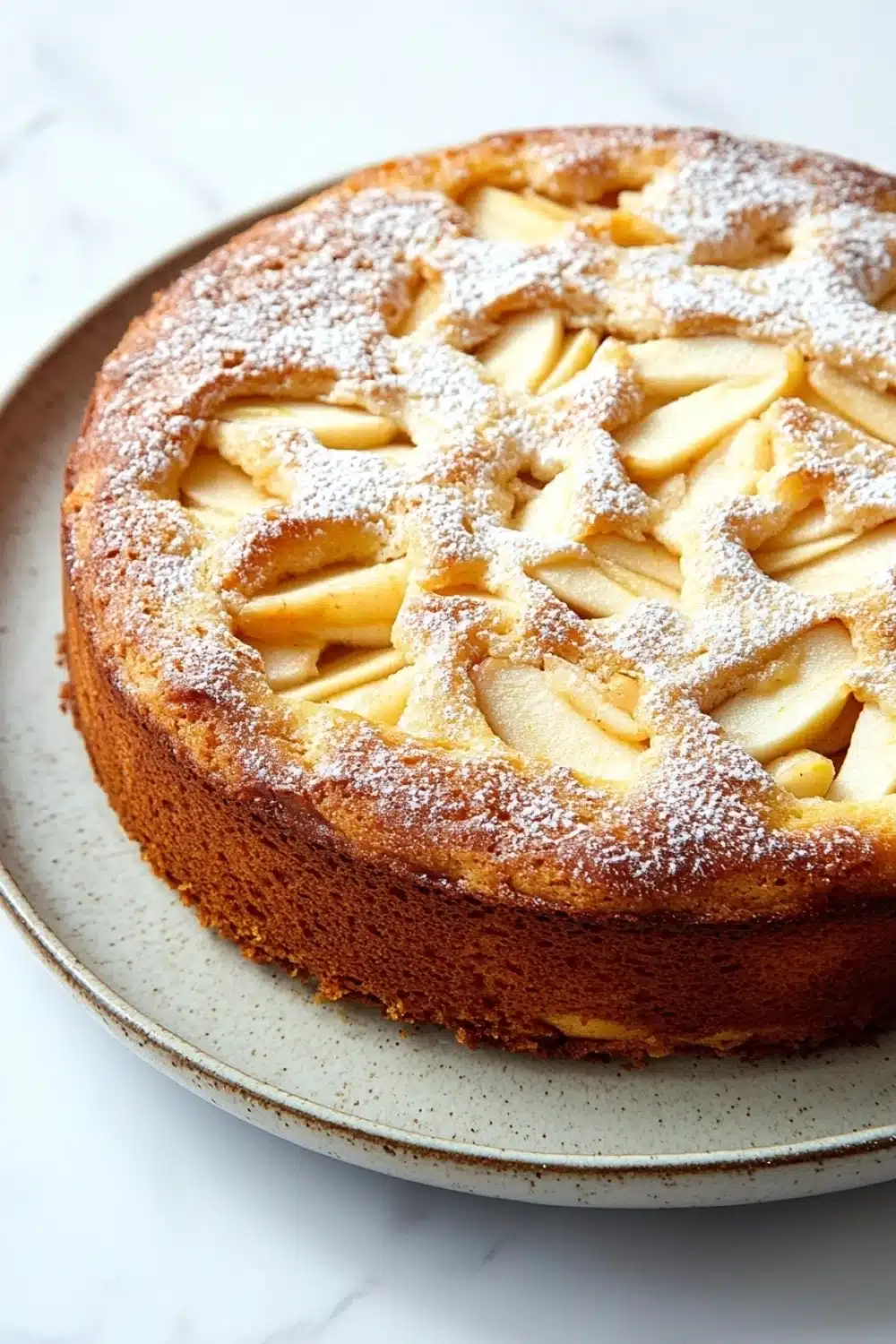
Apples and cake? Yes, please.
There’s something about this Korean apple cake that just pulls you in. The kitchen smells like a cozy autumn afternoon—warm cinnamon teasing the air, mingling with the sweet tang of fresh apples, sliced thin and tossed in lemon juice to keep that crisp snap alive. It’s not just baking; it’s a small ritual that feels like slipping into a soft sweater after a brisk walk.
I remember the first time I tried this recipe—my patience was tested as the batter settled in the pan, layered with those tender apple slices. The anticipation? Killer. But that first bite? A moist, tender crumb with just the right hint of cinnamon and a delicate yogurt tang that kept me coming back for more. No fluff. Just honest, old-school charm.
This cake isn’t about showboating. It’s pure comfort in a pan. Whether it’s for tea time, a laid-back brunch, or a sweet finish to a meal, it nails that perfect balance of simple and satisfying.
For a delightful twist on classic desserts, check out our apple cake Korean style recipe that’s moist, tender, and bursting with cinnamon-kissed goodness.
Real Life Benefits of Baking Korean Apple Cake
- Transforms humble apples into a moist, tender cake that’s never dry or crumbly—perfect for impressing last-minute guests.
- The subtle cinnamon twist adds warmth without overpowering, making it a crowd-pleaser even for those wary of spicy sweets.
- Yogurt in the batter keeps the cake soft and adds a slight tang that balances the sweetness—no heavy, cloying mess here.
- Prepping takes just 20 minutes, so you don’t have to clear your entire afternoon for dessert magic.
- Easy storage options: keep it fresh on the counter, chill to extend life, or freeze for when you want a slice of comfort on a whim.
Korean Apple Cake
A moist and tender Korean-style apple cake featuring fresh apples and a light cinnamon flavor, perfect for a delightful dessert or tea time treat.
- Prep Time: 20 minutes
- Cook Time: 40 minutes
- Total Time: 1 hour
- Yield: 8
Ingredients
2 medium apples, peeled, cored, and thinly sliced
1 tablespoon lemon juice
1 1/2 cups all-purpose flour
1 teaspoon baking powder
1/2 teaspoon baking soda
1/2 teaspoon ground cinnamon
1/4 teaspoon salt
3/4 cup granulated sugar
1/2 cup vegetable oil
2 large eggs
1 teaspoon vanilla extract
1/2 cup plain yogurt
2 tablespoons milk
2 tablespoons powdered sugar, for dusting
Instructions
Preheat the oven to 350°F (175°C). Grease and flour an 8-inch round cake pan.
In a small bowl, toss the sliced apples with lemon juice to prevent browning and set aside.
In a medium bowl, sift together the all-purpose flour, baking powder, baking soda, ground cinnamon, and salt.
In a large mixing bowl, whisk the granulated sugar and vegetable oil until well combined.
Add the eggs one at a time to the sugar and oil mixture, beating well after each addition.
Mix in the vanilla extract, yogurt, and milk until the batter is smooth.
Gradually add the dry ingredients to the wet ingredients, folding gently until just combined. Do not overmix.
Pour half of the batter into the prepared cake pan and spread evenly.
Arrange half of the apple slices over the batter in a single layer.
Pour the remaining batter over the apples and spread evenly.
Top with the remaining apple slices, gently pressing them into the batter.
Bake in the preheated oven for 35 to 40 minutes, or until a toothpick inserted into the center comes out clean.
Remove the cake from the oven and allow it to cool in the pan for 10 minutes.
Transfer the cake to a wire rack to cool completely.
Before serving, dust the top of the cake with powdered sugar.
Explore more:
Breakfast Recipes
Mastering Korean Apple Cake: Swaps, Secrets & Fixes
The Apple Swap Hack—Why It Matters
Not all apples play nice in this cake. Firm, tart varieties like Granny Smith or Honeycrisp are your best pals here—they hold their shape instead of waning into mush. I once tried this with a soft Fuji apple, thinking, “Hey, it’s sweet, it’ll work.” Nope. The slices turned into sad soggy blobs, and the whole cake felt like a flat pancake impersonating a cake. Toss your apples in lemon juice immediately after slicing—that’s old-school acid magic to keep them from browning and turning your cake into an unappealing brown mess. Trust me, it’s not just for looks; it keeps the fresh, tangy bite alive amidst the cinnamon and sugar.
Why Folding, Not Stirring, Makes or Breaks This Cake
Here’s where many home bakers trip up: the batter’s fickle nature demands a gentle touch. Overmixing? The enemy. Under-mixing? Also a no-go. When you fold the dry ingredients into the wet, you’re coaxing the flour in without beating out the air. That air is your cake’s secret springboard—it’s what keeps it soft and tender. Imagine you’re petting a timid kitten, not wrestling a bear—that’s the vibe you want with your batter. Burst of mixing? Boom, dense, chewy cake ensured. My tip? Use a spatula with sweeping, gentle arcs—fold until just no dry streaks remain. You’ll thank me when the crumb’s perfect and the texture’s just right.
Fixing the Common Duds: Sinking Apples & Dry Edges
Sinking apple slices? Happens more often than you’d think. The culprit? Batter that’s too thin or apples that are too heavy. To dodge this, slightly thicken your batter by reducing milk by a tablespoon or two. Alternatively, toss apple slices in a bit of flour before layering them in. This little dusting trick gives the batter a grip, like Velcro for your apples. Dry edges? Bake at a slightly lower temp—340°F—and cover the cake loosely with foil halfway through baking. That’s old-school kitchen ninja wisdom to trap moisture. Also, don’t skimp on the oil; it’s the lifeline for moistness here. If you’re craving a quick fix for a cake already baked, brushing the edges with a bit of milk or simple syrup can bring life back to the parched parts—don’t knock it till you try it!
Korean Apple Cake FAQ
A: Absolutely! Just remember, tart apples like Granny Smith keep their shape better and add a zesty punch, while sweeter varieties like Fuji will give you a softer, sweeter bite—your call!
A: Yes, peeling is key here. The skin can add a bit of chewiness that might clash with the tender crumb, plus it helps the batter meld perfectly with those slices.
A: For sure. Greek yogurt, sour cream, or buttermilk work like a charm, maintaining that moist texture. Just keep it roughly the same volume to not throw off the batter.
A: Nope! Overmixing is a rookie move that tightens gluten and turns the cake dense. Fold gently and stop when just combined—this cake loves a tender touch.
A: Yes! Wrap it tight. Slice after thawing for best results, and it’ll be just as tasty days later.