
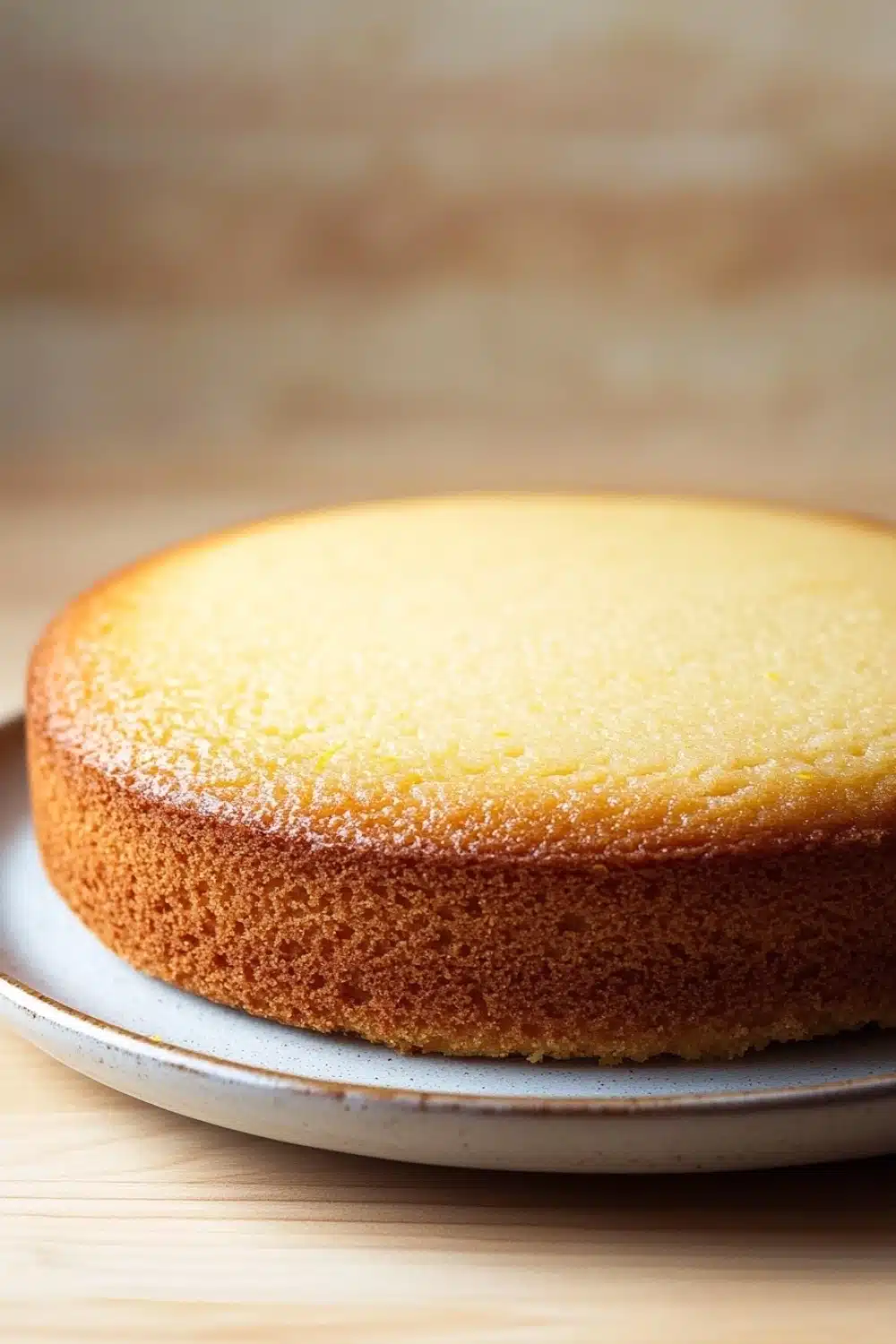
Let’s talk lemon cake layers.
There’s something about baking a cake with fresh lemon zest that flips the kitchen vibe entirely. The air fills with this sharp, zesty aroma that’s downright addictive—like sunshine trapped in batter. I remember the first time I whisked together lemon juice and buttermilk, thinking, “This is going to be a game-changer.” Spoiler: it absolutely was.
The secret? Balancing that tang with a tender crumb that melts in your mouth, not a crumbly mess that falls apart at the first fork jab. No dry cake here—each layer is a moist, flavorful canvas waiting to be stacked and frosted. Plus, the little zing of lemon zest dancing through the batter is pure magic.
When this cake bakes, it’s like the kitchen wins a round. The edges brown just right, the tops rise like a champ, and the toothpick test is your green light. It’s one of those recipes where you really get your hands dirty—no chalking about overbeating or half-measures; it’s simple, honest baking with a punchy twist.
If you’re curious about how to make a delicious lemon cake layer, check out our Banana Cake Trifle: A Crowd-Pleaser You Can’t Skip for some tasty inspiration.
Real Life Benefits of This Lemon Cake Layer
- Quick prep and bake—20 minutes mixing, 30 minutes in the oven, perfect for a last-minute sweet fix that doesn’t mess up your day.
- Bright, fresh lemon punch from zest and juice keeps things lively—no fake citrus vibes here.
- The tender crumb means each slice melts in your mouth. No dry cake drama—just soft, buttery goodness every time.
- Versatile enough to stack with your favorite frosting or eat solo as a simple treat—zero fuss.
- Make ahead and stash in the freezer; this cake plays well with time, ready to rescue your dessert plans whenever needed.
Lemon Cake Layer
A moist and flavorful lemon cake layer perfect for stacking into a delicious lemon layer cake. This cake features bright lemon zest and juice for a fresh citrus flavor with a tender crumb.
- Prep Time: 20 minutes
- Cook Time: 30 minutes
- Total Time: 50 minutes
- Yield: 8
Ingredients
2 1/2 cups (312 grams) all-purpose flour, sifted
2 1/2 teaspoons baking powder
1/2 teaspoon baking soda
1/2 teaspoon salt
1 cup (226 grams) unsalted butter, softened
1 3/4 cups (350 grams) granulated sugar
4 large eggs, at room temperature
1 tablespoon finely grated lemon zest (from about 2 lemons)
1/4 cup (60 ml) fresh lemon juice
1 cup (240 ml) buttermilk, at room temperature
1 teaspoon pure vanilla extract
Instructions
Preheat the oven to 350°F (175°C). Grease and flour two 8-inch (20 cm) round cake pans and line the bottoms with parchment paper.
In a medium bowl, whisk together the sifted all-purpose flour, baking powder, baking soda, and salt. Set aside.
In a large bowl, using an electric mixer, beat the softened butter on medium speed until creamy, about 1 minute.
Gradually add the granulated sugar to the butter and continue beating on medium-high speed until light and fluffy, about 3 to 4 minutes.
Add the eggs one at a time, beating well after each addition. Mix in the lemon zest.
In a small bowl, combine the fresh lemon juice, buttermilk, and vanilla extract.
With the mixer on low speed, alternately add the flour mixture and the lemon juice mixture to the butter mixture, beginning and ending with the flour mixture. Mix each addition just until incorporated; do not overmix.
Divide the batter evenly between the prepared cake pans and smooth the tops with a spatula.
Bake in the preheated oven for 28 to 32 minutes, or until a toothpick inserted into the center of the cakes comes out clean.
Remove the cakes from the oven and allow them to cool in the pans for 10 minutes.
Run a knife around the edges of the pans to loosen the cakes, then invert them onto wire racks to cool completely, about 1 hour.
Once cooled, the lemon cake layers are ready to be frosted and assembled into a layered cake.
Explore more:
Breakfast Recipes
Mastering the Perfect Lemon Cake Layer
The Secret to That Tender Crumb
Getting a lemon cake that’s moist but not mushy is a tightrope walk. It all boils down to how you handle the batter after mixing. Overmixing? That’s the kiss of death—gluten gets all worked up, and next thing you know, your cake turns into a dense brick. The recipe wisely alternates the dry flour mixture with the wet lemon-buttermilk combo, beginning and ending with flour. Why? This back-and-forth keeps the batter balanced and the crumb delicate. Also, the buttermilk’s acidity doesn’t just add tang—it tenderizes the proteins, softening the crumb like a charm. Pro tip: when folding in your mixtures, imagine you’re coaxing the ingredients to come together gently, not wrestling them into submission.
Ingredient Swaps That Don’t Betray the Flavor
Butter’s king here—it gives body and richness that margarine or oils just can’t mimic, especially in a lemon cake where texture sings. But what if you’re in a pinch? Greek yogurt can stand in for buttermilk to keep that tender crumb, though expect a slight tang variation. If you swap granulated sugar for honey, dial back the liquids; honey’s hygroscopic nature can make your cake more crumbly. And lemon zest? Don’t skimp. Bottled lemon extract might save time but lacks the zesty punch fresh zest brings. I once took a lazy route using bottled lemon juice only—cake was flat, lifeless, like a sad citrus whisper. Lesson learned: fresh zest and juice are non-negotiable for punchy brightness.
Fixing the Common Fails—When Life Gives You Lemon Cake Troubles
Ever pull your cake out and notice it’s sunk right in the middle? Chill, it’s not the end of the world. This often means the cake was underbaked or the oven door was flung open mid-bake—don’t be that baker! Use a toothpick test religiously, and resist the urge to peek too early. If your cake turns out dry, try brushing syrup (equal parts sugar and lemon juice simmered until syrupy) on each layer before frosting. It’s like giving dry cake a second chance. And if your layers are uneven, slice off the domes with a serrated knife—no shame in leveling up your game. Keeping the cake pans greased and parchment-lined also prevents the dreaded cracked edges and helps with easy removal—nobody’s got time for a cake that sticks like glue.
Lemon Cake Layer FAQs
A: Yes, but it’s a quick fix—you’ll want to add 1 tablespoon of lemon juice or white vinegar to 1 cup of regular milk. Let it sit for 5 minutes to sour before mixing in. It mimics buttermilk’s tang and acidity, which helps the cake rise and keeps it tender.
A: Stick a toothpick into the center. If it comes out clean or with just a few moist crumbs clinging to it, you’re golden. Underbaking leads to a gummy mess, so don’t skip this step! The edges should also pull away slightly from the pan.
A: You can, but heads up—it changes the game. A 1:1 gluten-free flour blend with xanthan gum usually works, but the crumb might be a bit more crumbly and less fluffy. Adjusting baking powder slightly can help. I’ve done this swap—just don’t expect the exact same bounce.
A: Yes. It just takes more muscle and patience. Use a sturdy wooden spoon or whisk, but don’t overdo it—overmixing develops gluten and stiffens the crumb. When I’m in a pinch without an electric mixer, this old-school method still scores decent results.
A: Definitely! Wrap them tight in plastic wrap, then foil, and freeze. When you’re ready, thaw them overnight in the fridge. This keeps them moist and stack-ready for your frosting game.