
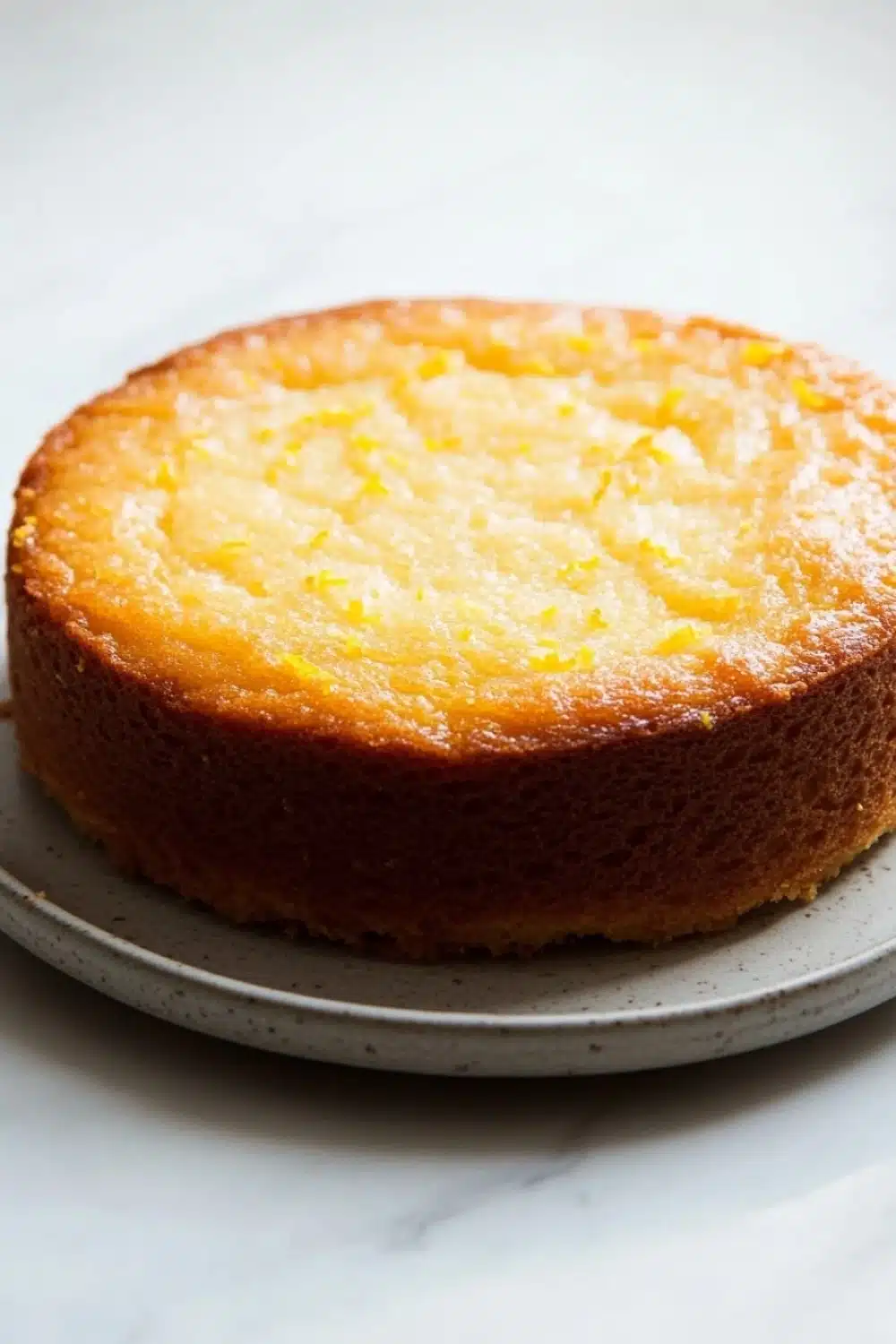
Bright zing in every bite.
There’s something about a lemon cake layer that lifts the whole baking game—like a fresh breeze cutting through a heavy kitchen on a summer afternoon. I remember the first time I cracked into a homemade lemon layer cake: the crumb was tender yet sturdy, the zest and fresh lemon juice hitting just right, like a sunbeam on your tongue. It’s a texture and flavor that demands attention, not just a meek whisper from the oven.
Working with this kind of batter isn’t for the faint-hearted—overmix and you’re toast. But keep your cool, fold in the buttermilk with a gentle touch, and you’ll have a batter that bakes up with a moist crumb and just enough spring to make your layers sing in harmony once stacked and frosted.
This lemon cake layer is more than just a slice—it’s the backbone of any show-stopping cake. The way the fresh zest perfumes the batter and the subtle tang from lemon juice make it a standout choice for those who like their sweets with a little sass. Let’s get those pans greased and bring a little sunshine indoors.
For a detailed guide on making a delicious lemon cake layer, check out How to Bake the Perfect Lemon Cake Layer: Bright, Moist & Zesty.
Real Life Benefits of Making This Lemon Cake Layer
- Bright citrus punch without the fakey, artificial zing—thanks to fresh lemon zest and juice, it wakes up your taste buds like a shot of espresso on a sluggish morning.
- Moist, tender crumb that doesn’t crumble all over your lap—this cake holds together beautifully, making it a champ for stacking with any frosting or filling you fancy.
- Quick to whip up—under an hour from start to finish, perfect for those random bake-it-now cravings that strike out of nowhere.
- Flexible storage options: enjoy it fresh-day glory or stash it in the freezer for emergency dessert missions later on.
- Great blank canvas—works as a standalone snack or a base for throwing in some wild, creative frosting combos that push boundaries.
Lemon Cake Layer

A bright and moist lemon cake layer perfect for stacking with your favorite frosting or filling. This cake features fresh lemon juice and zest for a vibrant citrus flavor and a tender crumb.
- Prep Time: 20 minutes
- Cook Time: 30 minutes
- Total Time: 50 minutes
- Yield: 8
Ingredients
2 1/2 cups (312 grams) all-purpose flour, sifted
2 1/2 teaspoons baking powder
1/2 teaspoon baking soda
1/2 teaspoon salt
1 cup (226 grams) unsalted butter, softened
1 3/4 cups (350 grams) granulated sugar
3 large eggs, room temperature
1 tablespoon finely grated lemon zest (about 2 lemons)
1/4 cup (60 ml) fresh lemon juice
1 teaspoon pure vanilla extract
1 cup (240 ml) buttermilk, room temperature
Instructions
Preheat the oven to 350°F (175°C). Grease and flour two 8-inch (20 cm) round cake pans and line the bottoms with parchment paper.
In a medium bowl, whisk together the sifted all-purpose flour, baking powder, baking soda, and salt. Set aside.
In a large bowl, beat the softened unsalted butter and granulated sugar together using an electric mixer on medium speed until light and fluffy, about 3 to 4 minutes.
Add the eggs one at a time, beating well after each addition.
Mix in the finely grated lemon zest, fresh lemon juice, and pure vanilla extract until combined.
Reduce the mixer speed to low and alternately add the dry ingredients and buttermilk in three additions, beginning and ending with the dry ingredients. Mix just until combined after each addition; do not overmix.
Divide the batter evenly between the prepared cake pans and smooth the tops with a spatula.
Bake in the preheated oven for 28 to 32 minutes, or until a toothpick inserted into the center of the cakes comes out clean.
Remove the cakes from the oven and allow them to cool in the pans for 10 minutes.
Run a knife around the edges of the pans to loosen the cakes, then invert them onto wire racks to cool completely before frosting or layering.
Explore more:
Breakfast Recipes
Mastering the Lemon Cake Layer: Tricks, Swaps, and Save-its
The Zest and Why It’s Non-Negotiable
I’ve always been a sucker for flavor that hits you like a lightning bolt—sharp, fresh, and unapologetic. That’s exactly what lemon zest does in this cake. It’s not just garnish; it’s the soul of the recipe. Fresh lemon zest contains those essential oils that don’t just flavor but punch through the sweetness with a bright, aromatic snap. Using bottled lemon extract? Nah, that’s a shortcut that leaves you with a flat, bland cake—like a joke without a punchline. And swapping fresh lemon juice for bottled? You lose the lively tang that wakes the crumb up. Pro tip: zest your lemons before juicing—way easier to grip and zest, and you squeeze out every drop of that citrus magic.
Butter vs. Oil: The Battle for Moisture
Here’s the kicker: butter is king for flavor, but sometimes you want that moist crumb without it turning dense as lead. I’ve fiddled with swapping half the butter for oil—canola or vegetable work like a charm. Why? Oil stays liquid at room temp, keeping the crumb tender and moist longer. But watch out—too much oil, and you lose that buttery richness that makes this cake sing. If you go the oil route, reduce sugar slightly; oils can amplify sweetness perception, and you don’t want a sugar crash. Also, always room temp eggs and buttermilk—cold ingredients kill the emulsion, and you’ll get a cakey bummer, not a cake layer that jiggles happily on your spatula.
When Your Cake Falls Flat: The Fix-It Playbook
So you popped your lemon cake in, waited the torturous 30 minutes, and it comes out all sad and sunken? Been there—watch this quick fix lineup:
- Overmixing batter: The cardinal sin—too much gluten development equals a dense, flat cake. Mix until just combined—seriously, just a few folds after adding dry ingredients.
- Oven temp is a liar: Invest in an oven thermometer. Your dial might say 350°F, but it could be off by 25 degrees. Too hot? Cake rises fast then collapses. Too cool? Cake won’t rise enough.
- Leavening agents stale: Baking powder and soda have expiry dates. If they’re old, your cake’s rise is toast. Test baking powder by dropping a pinch into warm water—if it fizzes, it’s still good.
- Pan prep matters: Grease and flour your pans, but also line with parchment. Cakes stick and tear easily without it—wrecking that perfect layer.
If your cake still falls flat after all these, try adding a splash more lemon juice or buttermilk next round. The extra acid can reactivate your baking soda to give it that bounce back.
Lemon Cake Layer FAQ
A: Yes, you can! If you don’t have buttermilk on hand, mix 1 tablespoon of lemon juice or white vinegar into 1 cup of regular milk. Let it sit for 5 minutes, then use as a substitute. This little trick keeps the cake tender and tangy.
A: The classic toothpick test is your best mate here—insert a toothpick into the center, and if it comes out clean or with just a crumb or two, you’re golden. Don’t rely on timer alone; ovens can be moody beasts.
A: I wouldn’t recommend mixing it too far in advance. Once you add the baking powder and soda, the batter starts to lose its oomph, and your cake won’t rise right. Best to mix and bake in one go.
A: Nope! Let those layers chill out completely. Warm cake + frosting = a melty mess and a sad frosting face. Patience pays off here.
A: Definitely. Wrap them tight in plastic wrap, then foil, and toss them in the freezer. They keep up to 2 months. When you’re ready, thaw slowly in the fridge overnight for best results.