
Time to ditch the chaos.
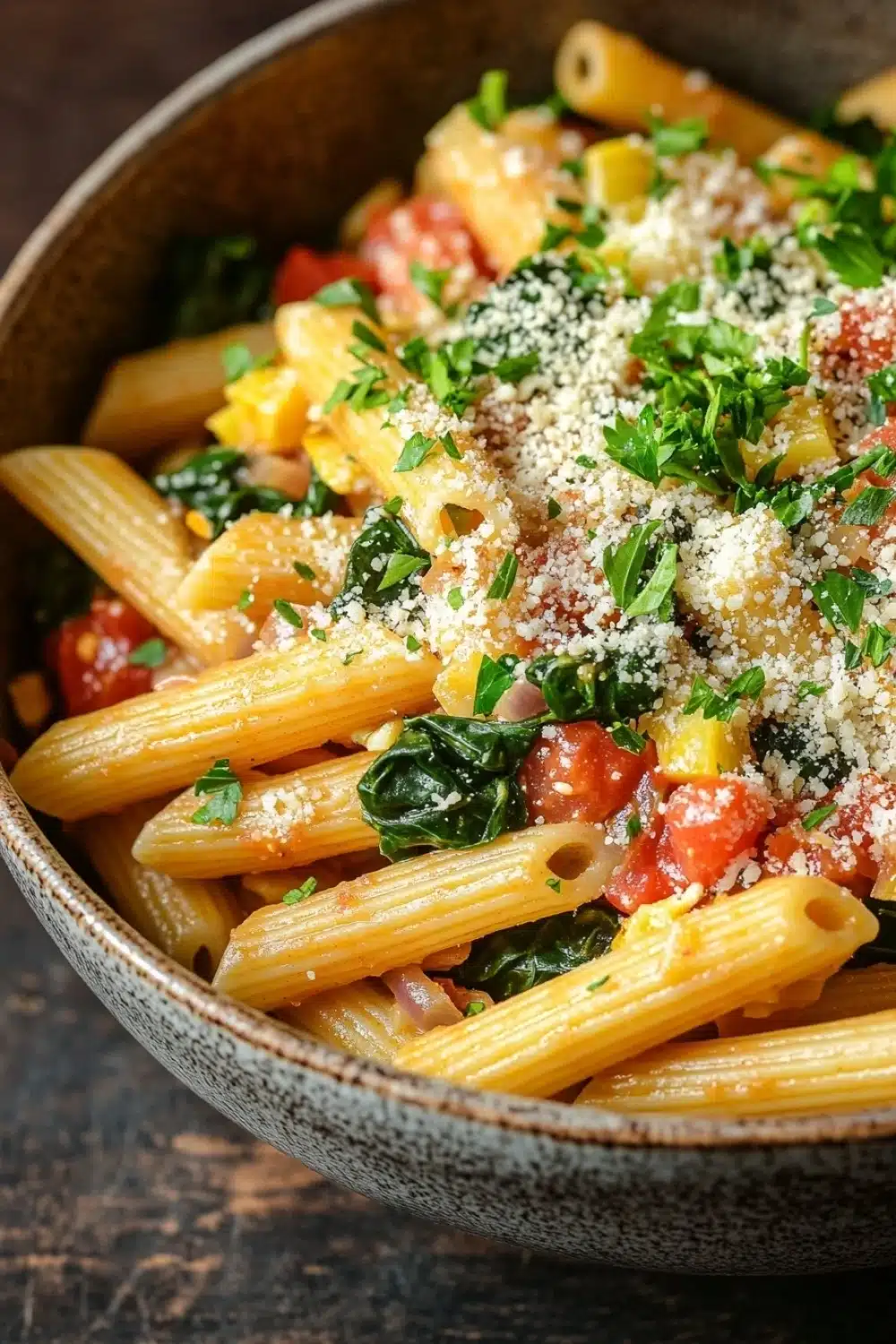
There’s something oddly satisfying about tossing all your ingredients into one pot, then sliding it into the oven, leaving you free to do anything but babysit the stove. I remember the first time I tried this one pot pasta recipe baked in the oven—was skeptical at first. Would the pasta end up mushy? Too dry? Nope. It hits the sweet spot every time, with tomatoes bursting and spinach just barely wilted, mingling with Italian herbs in that cozy, homestyle way grandma would nod approvingly at.
What really gets me is the simplicity—penne swimming in a fragrant broth, flavored with garlic and oregano, then baked to tender perfection. No stirring frenzy, no splattered sauce battlefield. Just pop it in, set a timer, and come back to a warm, comforting meal that’s just begging for a sprinkle of Parmesan and a handful of fresh parsley to finish.
This recipe? It’s dinner, no fuss, no mess, just that honest, stick-to-your-ribs kind of cooking that satisfies when your day’s been a whirlwind. One pot. One oven. One winner.
For a delicious and easy meal, don’t miss our guide on Hearty Minestrone Soup Without Pasta: Veggie-Packed Comfort in a Bowl that perfectly complements one pot pasta recettes four.
Why One Pot Pasta Rules Weeknight Dinners
- Zero fuss—dump everything in one pot and forget the mountain of dishes that usually follows dinner.
- Speedy turnaround: from stove to table in just 30 minutes, letting you reclaim your evening.
- Flavor-packed without the headache—Italian herbs and fresh veggies do the heavy lifting on taste.
- Flexible game-changer: toss in whatever greens or cheese you have on hand and keep it fresh or funky.
- Leftovers that reheat like a charm, perfect for those ‘just one more meal’ days.
One Pot Pasta Recettes Four

A simple and delicious one-pot pasta recipe that combines tender pasta, fresh tomatoes, spinach, and Italian herbs for a quick and flavorful meal. Perfect for busy weeknights, this dish requires minimal cleanup and delivers maximum taste.
- Prep Time: 10 minutes
- Cook Time: 20 minutes
- Total Time: 30 minutes
- Yield: 4
Ingredients
12 ounces penne pasta
1 tablespoon olive oil
1 medium yellow onion, finely chopped
3 cloves garlic, minced
4 medium ripe tomatoes, diced
4 cups fresh baby spinach
4 cups vegetable broth
1 teaspoon dried oregano
1 teaspoon dried basil
1/2 teaspoon salt
1/4 teaspoon black pepper
1/4 teaspoon red pepper flakes
1/2 cup grated Parmesan cheese
2 tablespoons chopped fresh parsley
Instructions
Heat the olive oil in a large pot over medium heat.
Add the chopped onion and cook for 3-4 minutes until softened and translucent.
Add the minced garlic and cook for 1 minute until fragrant.
Add the diced tomatoes, dried oregano, dried basil, salt, black pepper, and red pepper flakes to the pot. Stir to combine.
Add the penne pasta and vegetable broth to the pot. Stir well to ensure the pasta is submerged in the liquid.
Bring the mixture to a boil, then reduce heat to medium-low and simmer uncovered for 12-15 minutes, stirring occasionally, until the pasta is cooked and most of the liquid is absorbed.
Add the fresh baby spinach to the pot and stir until wilted, about 2 minutes.
Remove the pot from heat and stir in the grated Parmesan cheese until melted and well combined.
Garnish with chopped fresh parsley before serving.
Explore more:
Dinner Recipes
Mastering One Pot Pasta: Tricks, Swaps & Saves
The Art of Ingredient Swaps — Keeping It Real in Your Pot
Let’s get real: you might not always have penne or fresh tomatoes hanging out in your kitchen. No sweat. Subbing is part of the game—think rigatoni or fusilli for the penne; they soak up that broth differently but still bring the goods. Canned diced tomatoes can step in when fresh ones bail on you—just drain a bit if it’s too watery, or crank the heat a bit longer to thicken. Spinach? Baby kale or arugula make stellar understudies, lending their own punch. Parmesan? If you’re dairy-free or just out of it, a sprinkle of nutritional yeast or a sharp pecorino does the trick. These swaps aren’t just about saving face; they introduce a curveball of flavor that keeps the dish from turning into a snooze-fest.
Why Let Your Pasta Simmer Uncovered? The Lowdown
I’ve cooked this one-pot pasta more times than I can count, and here’s the kicker: letting it simmer uncovered changes the whole play. Why? Because pasta continues cooking as the liquid reduces, concentrating flavors and thickening sauce without going gluey. Trap the steam, and you risk ending up with soggy noodles swimming in bland broth. Stirring occasionally is your secret weapon here—keeps the pasta from sticking and ensures even cooking. It’s a delicate dance between letting moisture evaporate and keeping the pasta hydrated. This method turns a lazy weeknight meal into something that punches way above its weight.
When Your Pasta Goes South: Quick Fixes to Rescue the Pot
Ever bite into your one-pot pasta and get that off-texture? Mushy or tough? No panic—it’s fixable. Mushy noodles? Toss in a handful of raw pasta and some broth, then simmer gently until that new batch is al dente. Tough pasta? Turn down the heat, add a splash more liquid, cover the pot for a few minutes to let it steam back to tender. Sauce too thin? Crank the heat up and let it bubble—stir like a maniac to avoid burning but don’t be shy about reduction. And if it’s bland? Bump it up with a pinch of salt, a squeeze of lemon, or a dash of chili flakes. These quick tweaks keep you from tossing the whole pot, saving your dinner and your dignity.
One Pot Pasta Recettes Four: Your Go-To Weeknight Wonder
A: Absolutely! Penne is just the suggestion because it holds sauce well without turning mushy. Fusilli or farfalle would also play nice here.
A: No. You can swap it for kale, arugula, or skip greens entirely if that’s your jam.
A: Heck yes! Just dial down or ditch the red pepper flakes to keep the heat in check.
A: Yes, just skip the Parmesan or use a plant-based cheese substitute. Nutritional yeast is a stellar stand-in, adding that umami punch.
A: Stir often during cooking, especially in the last few minutes. The liquid level and constant stirring keep things from getting clumpy.