
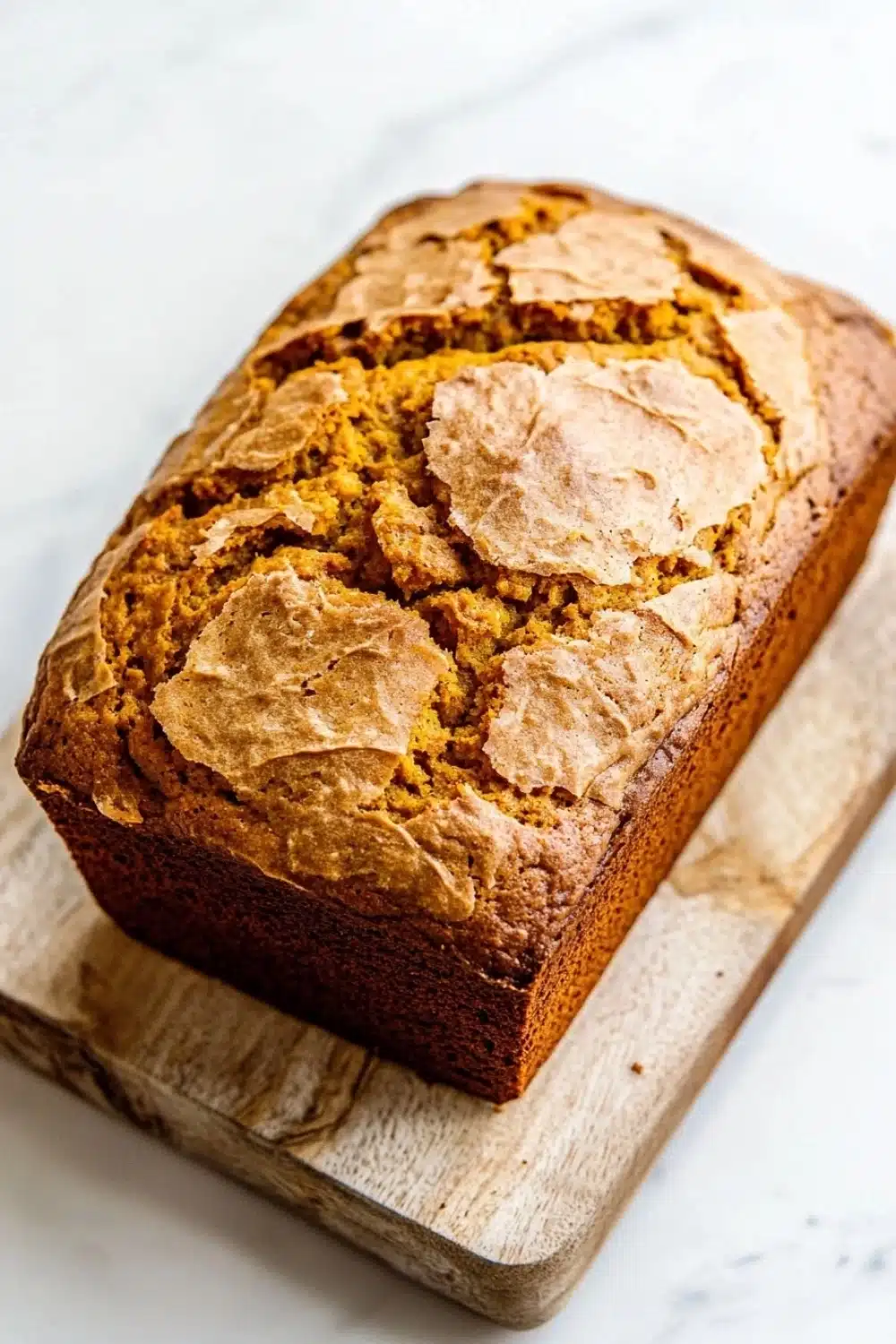
Altitude changes everything.
I’ve spent more than a few autumns battling the quirks of high-altitude baking—where a pinch too much leavening can turn your loaf into a volcanic crater rather than a tender treat. Pumpkin bread, with its dense, moist texture, can be especially finicky up here. The air is thinner, the oven behaves differently, and that goldilocks zone of rise and crumb feels like a moving target.
This recipe isn’t just a quick swap of ingredients. It’s a carefully tuned formula that respects the altitude’s demands. The balance of spices—cinnamon, nutmeg, cloves, and ginger—layers in warmth without overpowering the pumpkin’s natural earthiness. The method? Simple but deliberate. I fold the wet and dry components with a light hand, knowing overmixing is the kiss of death for crumb texture at altitude. I swear by buttermilk here, which tames the batter, making it lush and tender against the dryness the high elevation tends to pull out.
So, if you’ve ever felt your pumpkin bread turn into a brick or a soufflé that climbs then collapses, this is the no-nonsense fix. Let’s get those ovens humming right.
For a delicious twist on fall favorites, check out our Apple Cinnamon Muffin Loaf: Cozy Breakfast Comfort in Every Slice recipe that pairs perfectly with pumpkin bread high altitude baking tips.
Why Bake High Altitude Pumpkin Bread? Real Life Perks
- Consistent results at altitude—no more sad, sunken loaves ruining your fall vibes.
- Moist texture that stays tender for days, perfect for quick breakfasts or post-hike fuel.
- Warm, comforting spices that fill your kitchen—like a cozy blanket for the soul.
- Easy to slice and pack—ideal for lunchboxes or impromptu mountain picnics.
- Holds up well in the fridge or freezer, meaning less waste and more grab-and-go convenience.
High Altitude Pumpkin Bread
This moist and flavorful pumpkin bread is specially adapted for high altitude baking to ensure a perfect rise and tender crumb. Made with warm spices and rich pumpkin puree, it’s a delicious treat for fall or any time of year.
- Prep Time: 15 minutes
- Cook Time: 55 minutes
- Total Time: 1 hour 10 minutes
- Yield: 8
Ingredients
1 3/4 cups (220 grams) all-purpose flour
1 teaspoon baking powder
1 teaspoon baking soda
1/2 teaspoon salt
1 1/2 teaspoons ground cinnamon
1/2 teaspoon ground nutmeg
1/4 teaspoon ground cloves
1/4 teaspoon ground ginger
1 cup (200 grams) granulated sugar
1/2 cup (100 grams) packed light brown sugar
1/2 cup (120 ml) vegetable oil
2 large eggs
1 cup (240 ml) canned pumpkin puree
1/4 cup (60 ml) buttermilk
1 teaspoon pure vanilla extract
Instructions
Preheat your oven to 350°F (175°C). Grease and flour a 9×5 inch loaf pan or line it with parchment paper.
In a medium bowl, whisk together the all-purpose flour, baking powder, baking soda, salt, ground cinnamon, ground nutmeg, ground cloves, and ground ginger until well combined.
In a large bowl, beat the granulated sugar, light brown sugar, and vegetable oil together until smooth and well blended.
Add the eggs one at a time to the sugar and oil mixture, beating well after each addition.
Stir in the pumpkin puree, buttermilk, and vanilla extract until fully incorporated.
Gradually add the dry ingredients to the wet ingredients, folding gently with a spatula until just combined. Do not overmix.
Pour the batter into the prepared loaf pan and smooth the top with a spatula.
Bake in the preheated oven for 50 to 60 minutes, or until a toothpick inserted into the center comes out clean.
Remove the pumpkin bread from the oven and let it cool in the pan for 10 minutes.
Transfer the bread to a wire rack and let it cool completely before slicing.
Explore more:
Breakfast Recipes
Mastering High Altitude Pumpkin Bread: Tricks & Fixes
The Altitude Angle: Why Your Pumpkin Bread Needs a Lift
At high altitudes—think 3,500 feet and above—the air is thinner, which messes with baking in sneaky ways. Less atmospheric pressure means gases in your batter expand more quickly, causing your bread to rise faster than it should. Result? A loaf that puffs up then collapses like a souffle that lost its nerve. Plus, liquids evaporate quicker, drying out your crumb before the center fully bakes. That’s why this pumpkin bread calls for tweaks like a smidge more flour and a splash of buttermilk—the acid in buttermilk strengthens gluten and slows down gas expansion, giving you a sturdier structure. Trust me, I’ve seen more than one hopeful baker toss a sad, sunken loaf in the trash before figuring this out. If you ignore altitude adjustments, you’re basically asking for a crusty volcano that deflates into a crater.
Ingredient Swaps That Keep It Real
Let’s talk swaps—because not everyone has buttermilk or brown sugar just lying around. No buttermilk? No panic. Mix 1 tablespoon of white vinegar or lemon juice with enough milk to make 1/4 cup, let it sit 5 minutes. Boom—homemade buttermilk substitute that plays nice with the chemistry of this recipe.
Brown sugar adds moisture and depth, but if you only have white sugar, mix in a teaspoon of molasses per cup for that molasses mojo. Or, for a twist, toss in a touch of maple syrup instead of part of the sugar—gives a whisper of woodsy sweetness that pairs beautifully with pumpkin spice.
Oil swaps? Stick with vegetable or canola oil to keep the crumb tender and moist. Butter makes it richer but can make the bread denser if you don’t tweak the flour down slightly. I’ve learned this the hard way—fond memories of a brick disguised as bread.
When Your Pumpkin Bread Goes Sideways: Quick Fixes
Sinkholes in pumpkin bread? Classic altitude betrayal. If your loaf caves in the center, it means it rose too fast and then deflated. Next time, lower the oven temp by 15-25°F and extend baking time—low and slow wins races here. Also, make sure you’re not overmixing; folding until just combined keeps gluten in check and loaf tender.
Crumb too dry? That buttermilk is your friend; don’t skimp on it. You can also add an extra tablespoon or two of oil or pumpkin puree to boost moisture retention.
Burnt edges with an undercooked middle? Swap your metal pan for glass or use an insulated baking strip wrapped around your pan edges—this evens out heat and prevents the outside from frying while the inside stays raw.
Last nugget: Don’t open the oven door in the first 30 minutes. I know the suspense is killer, but that jolt can cause your fragile high-altitude bread to deflate. Patience is a virtue—and the secret weapon in high-altitude baking.
High Altitude Pumpkin Bread FAQs
Q1: Can I bake this pumpkin bread at sea level?
Yes, you can! Just reduce the baking powder slightly (around 3/4 tsp) and keep a close eye on the bake time — it might finish a bit earlier. High altitude tweaks are about balancing rise and moisture.
Q2: What if I don’t have buttermilk?
No worries! Mix 1 tablespoon of lemon juice or white vinegar with enough milk to make 1/4 cup. Let it sit for 5 minutes. This acid kick mimics buttermilk’s tang and helps the bread rise just right.
Q3: Can I swap vegetable oil for butter?
Absolutely, but remember butter will add richness and might tighten the crumb slightly. Melt it first and let cool before mixing. It’s about personal flair — I like the oil for moistness, but butter gives a cozy feel.
Q4: How do I know when the bread is done?
Insert a toothpick into the center — if it comes out clean or with just a few moist crumbs, you’re golden. If the toothpick’s gooey, give it 5-minute increments more. Patience here is a virtue.
Q5: Can I add nuts or chocolate chips?
Yes! Fold in about 1/2 cup of your choice — walnuts, pecans, or chocolate chips work great. Toss them in flour first to stop them sinking to the bottom. This tweak amps up texture and flavor punch.