
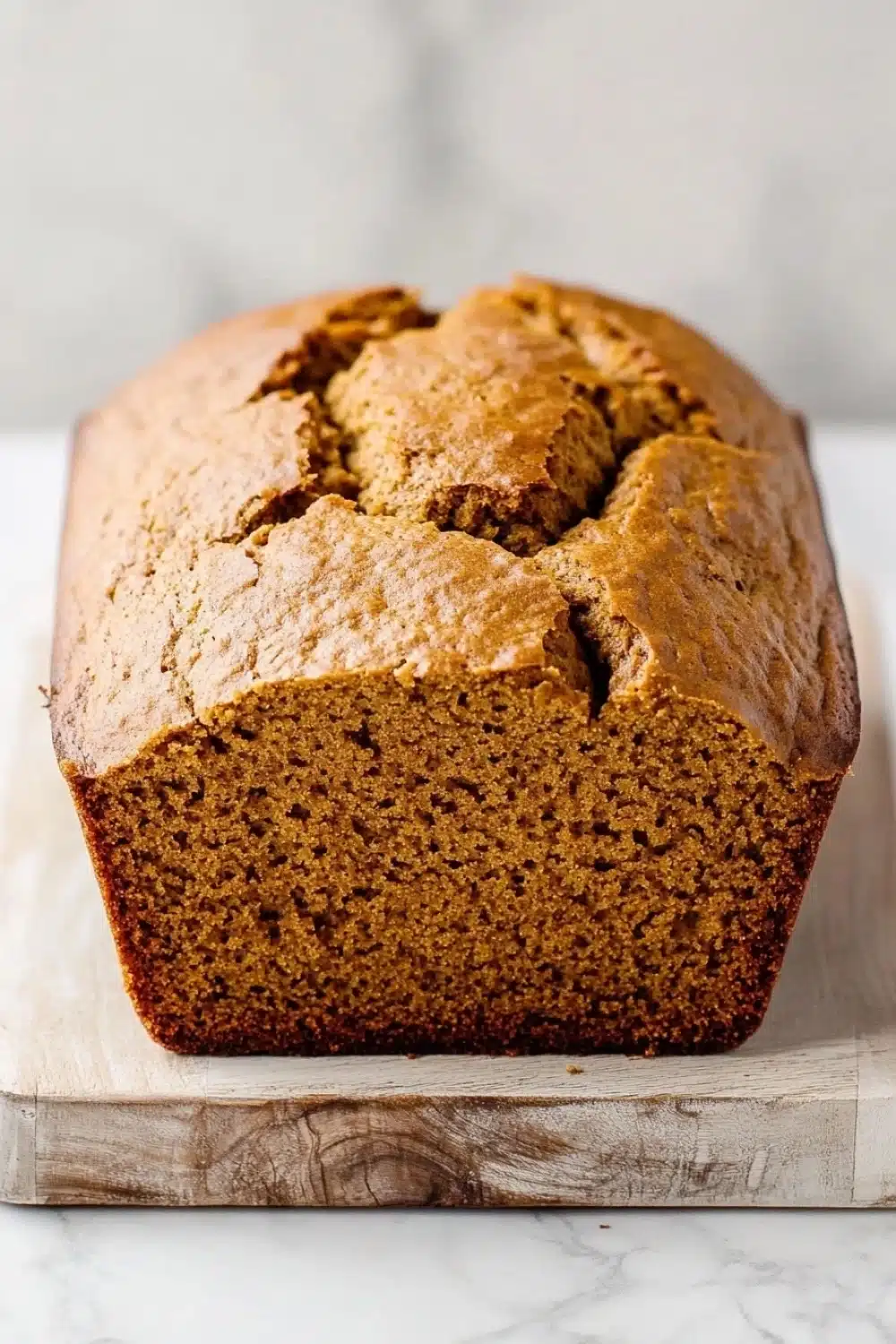
Fall’s calling—are you ready?
There’s something wildly comforting about the smell of pumpkin and warm spices wafting through your kitchen. It’s not just the aroma—it’s the memory, the ritual, the cozy promise of a good loaf baking away. I remember the first time I nailed a gluten-free pumpkin bread that didn’t crumble like a sandcastle or taste like dry cardboard. Honestly, it was a game changer.
This recipe? It’s downright stubborn in the best way. We’re talking a tender crumb soaked in cinnamon, nutmeg, ginger, and a hint of clove, all wrapped in moist pumpkin goodness. No gluten means no stress, just pure fall vibes with every slice.
So grab your favorite mug, summon that vintage loaf pan, and let’s get this bread in the oven. Because some mornings demand more than breakfast—they want a hug from the inside.
Looking for a delicious pumpkin bread gf option? Check out our Moist Gluten-Free Pumpkin Bread Recipe for Cozy Fall Mornings for a cozy treat.
Why You’ll Love This Gluten-Free Pumpkin Bread
- Perfectly moist texture without the gluten—no more dry, crumbly disappointments.
- Warm spices like cinnamon and nutmeg bring cozy fall vibes anytime you slice into it.
- Made with pantry staples—no weird ingredients or fancy flour blends needed.
- Allergy-friendly and easy to adapt—great for sharing without the gluten drama.
- Keeps well at room temp for a few days, or stash it in the freezer when you’re hoarding pumpkin bread for later.
Gluten-Free Pumpkin Bread
A moist and flavorful gluten-free pumpkin bread made with warm spices and a tender crumb. Perfect for fall or any time you crave a delicious, allergy-friendly treat.
- Prep Time: 15 minutes
- Cook Time: 60 minutes
- Total Time: 1 hour 15 minutes
- Yield: 8
Ingredients
1 3/4 cups gluten-free all-purpose flour blend (ensure it contains xanthan gum)
1 teaspoon baking soda
1/2 teaspoon baking powder
1/2 teaspoon salt
1 1/2 teaspoons ground cinnamon
1/2 teaspoon ground nutmeg
1/4 teaspoon ground ginger
1/4 teaspoon ground cloves
1 cup canned pumpkin puree
3/4 cup granulated sugar
1/4 cup packed light brown sugar
1/2 cup vegetable oil
2 large eggs
1 teaspoon pure vanilla extract
1/4 cup unsweetened almond milk
Instructions
Preheat the oven to 350°F (175°C). Grease a 9×5-inch loaf pan or line it with parchment paper.
In a medium bowl, whisk together the gluten-free flour, baking soda, baking powder, salt, cinnamon, nutmeg, ginger, and cloves until well combined.
In a large bowl, whisk together the pumpkin puree, granulated sugar, brown sugar, vegetable oil, eggs, and vanilla extract until smooth.
Add the dry ingredients to the wet ingredients and stir gently until just combined.
Pour in the almond milk and fold it in until the batter is smooth and uniform.
Pour the batter into the prepared loaf pan and smooth the top with a spatula.
Bake for 55 to 65 minutes, or until a toothpick inserted into the center comes out clean.
Remove the bread from the oven and let it cool in the pan for 15 minutes.
Transfer the bread to a wire rack to cool completely before slicing.
Explore more:
Breakfast Recipes
Mastering Gluten-Free Pumpkin Bread
The Trick Behind a Tender Crumb
When working with gluten-free flour blends, the game changes—no more relying on gluten’s stretchy magic. That xanthan gum lurking in your flour mix? It’s the unsung hero holding everything together, mimicking that familiar chewiness. But don’t overmix. Stir gently—like you’re coaxing a delicate secret out rather than forcing it. Overworking the batter turns your loaf into a brick. Trust me, I’ve been there, slicing into what looked like a pumpkin-shaped doorstop. Adding almond milk, not just water, gives the crumb moisture and a subtle nutty undertone that cuts through the sweet and spice like a smooth jazz riff in a country song.
Swapping Ingredients Without Losing the Groove
Need to tweak the recipe? No sweat. Craving a dairy-free version? Almond milk is your go-to, but oat milk works like a charm too—just watch for added sweetness in your non-dairy choice. Out of vegetable oil? Melted coconut oil steps in gracefully, bringing a whisper of tropical vibes that actually pairs well with pumpkin’s earthiness. If brown sugar’s MIA, a quick mix of white sugar and a spoonful of molasses can stand in. You’re basically riffing on a classic tune—keep the core rhythm, but feel free to improvise. Just remember, switching out the pumpkin puree for fresh roasted pumpkin? It’s doable but prep-intensive; you’ll want to drain any excess moisture or risk a soggy mess. I once tried fresh pumpkin and ended up with a loaf that sang flat—lesson learned.
When Your Loaf Flops: Common Fixes
Okay, so your pumpkin bread came out dense as a lead weight or crumbled faster than gossip at a quilting circle. First, check your leaveners—baking soda and powder—they’re the bread’s hype squad. If they’re past their prime, your bread won’t rise or get that tender bounce. Next, oven temps—are you sure your oven’s not playing tricks? An oven thermometer is a cheap lifesaver here. And please don’t skip that 15-minute rest in the pan; it’s crucial. Cutting in too soon? You’ll injure the crumb, no joke. If you nailed everything but it’s still dry, a quick brush with melted butter or a swipe of cream cheese can patch things up—sometimes you gotta cheat to win. Remember, baking is as much feel as formula; don’t let a flop kill your groove.
Gluten-Free Pumpkin Bread FAQ
A: Technically yes—but it’ll change the texture and might not bake the same. This recipe is tuned specifically for gluten-free blends with xanthan gum, so swapping in regular flour can make it denser or crumbly.
A: Nope! Any plant-based milk or dairy milk works fine here. The almond milk just keeps it light without adding extra sweetness or heaviness.
A: The classic toothpick test is your best bet—poke the center and if it comes out clean or with just a few moist crumbs, you’re golden. Also, the loaf should spring back lightly when pressed.
A: Sure, but tread lightly. This bread relies on the sugars to balance the pumpkin and spices, so slashing it too much might leave you with a flat flavor profile. I usually drop it by a quarter cup and it’s still solid.
A: Yes, absolutely! Wrap it tight and freeze for up to 3 months. Thaw overnight and it’s almost as good as fresh—no weird freezer burn or sogginess.