
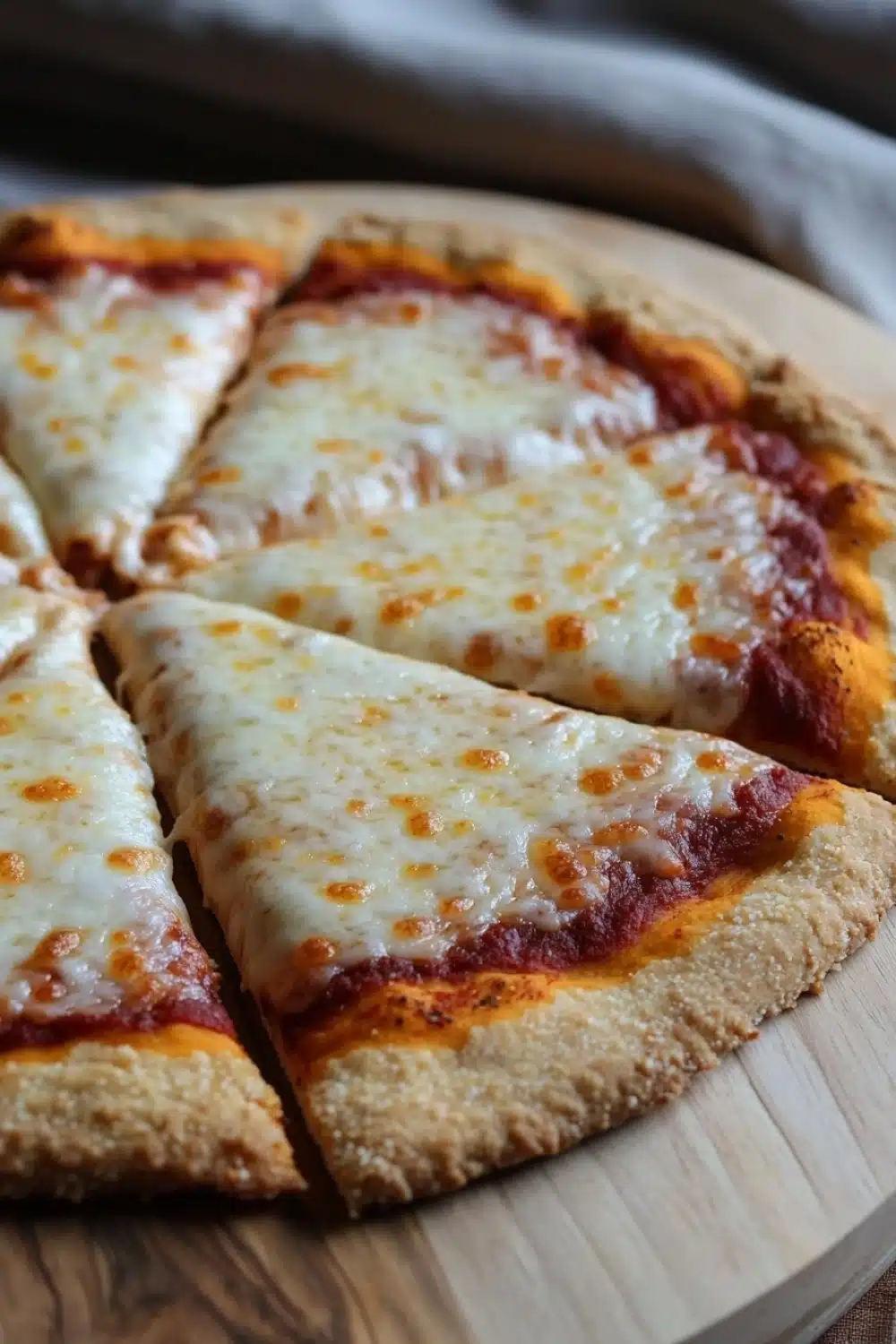
Let’s get real.
Gluten-free pizza crusts often fall flat—like a soggy frisbee tossed onto the lawn at a backyard BBQ. I’ve burned through more than my fair share of dough disasters, hunting for that perfect balance between crisp and chew. Enter King Arthur’s gluten-free flour blend, a game-changer in the GF world.
From the moment you mix the warm water with yeast and sugar—watching that foamy bubble-up action—you know you’re onto something good. The dough feels sticky, almost rebellious, but in the best way, begging for a gentle press and a little olive oil love before rising in its cozy, warm corner.
When it hits the oven at a sizzling 425°F, the crust starts to transform. Edges crisp up nicely, the center stays chewy, and suddenly you’ve got a crust that holds up to your favorite toppings without turning into a floppy mess. Trust me—I’ve put this crust through its paces, and it’s the real deal, no gimmicks or fluff. Grab your rolling pin and let’s dive in.
If you’re looking for a quick and delicious meal, try our Easy Sheet Pan Pizza with Store-Bought Dough for Quick Dinners and don’t forget to explore options like King Arthur gluten free pizza crust for a perfect gluten-free twist.
Real Life Benefits of King Arthur Gluten-Free Pizza Crust
- Turns pizza night into a no-fuss affair—no gluten stress, just the good stuff.
- Crispy outside, chewy inside—perfect for those who chase texture like a hawk.
- Made with King Arthur flour blend, so you’re not guessing what’s in your dough—trustworthy and consistent.
- Quick prep and bake times mean you can satisfy a pizza craving without waiting all day.
- Easy to store leftovers means no wasted pie—just reheat and munch whenever hunger strikes.
King Arthur Gluten-Free Pizza Crust

A delicious and easy-to-make gluten-free pizza crust using King Arthur gluten-free flour blend. This crust is crispy on the outside, chewy on the inside, and perfect for your favorite pizza toppings.
- Prep Time: 15 minutes
- Cook Time: 20 minutes
- Total Time: 35 minutes
- Yield: 8 slices
Ingredients
1 1/2 cups warm water (110°F)
2 1/4 teaspoons active dry yeast (1 packet)
1 tablespoon granulated sugar
3 1/2 cups King Arthur Gluten-Free All-Purpose Flour Blend
1 teaspoon xanthan gum
1 teaspoon salt
2 tablespoons olive oil, plus more for the bowl and brushing
1 teaspoon apple cider vinegar
Instructions
In a small bowl, combine warm water, yeast, and sugar. Stir gently and let sit for 5 to 10 minutes until foamy.
In a large mixing bowl, whisk together King Arthur Gluten-Free All-Purpose Flour Blend, xanthan gum, and salt.
Add the yeast mixture, olive oil, and apple cider vinegar to the dry ingredients.
Using a stand mixer fitted with a paddle attachment or a hand mixer, mix on medium speed for 3 to 4 minutes until a sticky dough forms.
Lightly oil a large bowl with olive oil. Transfer the dough to the bowl and cover it with a clean kitchen towel or plastic wrap.
Let the dough rise in a warm place for 45 to 60 minutes, until it has slightly puffed up.
Preheat your oven to 425°F (220°C). If using a pizza stone, place it in the oven to heat.
Line a large baking sheet with parchment paper and lightly brush with olive oil.
Transfer the dough to the prepared baking sheet. Using oiled hands or a spatula, gently spread and press the dough into a 12-inch circle, about 1/4 inch thick.
Brush the top of the dough lightly with olive oil.
Bake the crust for 12 to 15 minutes until the edges start to turn golden and the crust is set.
Remove the crust from the oven and add your favorite pizza toppings.
Return the pizza to the oven and bake for an additional 7 to 10 minutes until the cheese is melted and bubbly and toppings are cooked.
Remove from oven, let cool for 5 minutes, slice, and serve.
Explore more:
Dinner Recipes
Mastering Your King Arthur Gluten-Free Pizza Crust
The Secret to That Golden Crust
Here’s the deal—getting a crispy outside and chewy inside with gluten-free dough is no small feat. King Arthur’s blend is a solid player, but the magic happens when you treat it right. First off, don’t skimp on that olive oil. It’s your crust’s best friend, not just for flavor but for texture. Brush it on the dough before baking, and again right after spreading it out on parchment. This little double-dip of oil creates a barrier that crisps up beautifully in a hot 425°F oven. Speaking of heat, preheating your oven—and if you have one, your pizza stone—is clutch. The stone’s radiant heat punches the bottom of your crust, giving you that coveted crackle, no soggy spots allowed. And remember: patience with your dough rising time (45 to 60 minutes) means a fluffier, less dense bite. Yeast is alive and kicking—don’t rush it. I learned this the hard way after a flat pizza night that left me wondering if I baked a cracker instead of a crust.
Switching It Up: Ingredient Hacks That Work
Gluten-free flour blends can be finicky, so sometimes you gotta swap smart. Want a nuttier flavor? Toss in a quarter cup of almond flour. Need more chew? Add an extra teaspoon of xanthan gum—this binds things up like a champ. No apple cider vinegar? No problem. Lemon juice works as an acid substitute and keeps your dough tender. For those avoiding yeast or short on time, a teaspoon of baking powder can be a quick fix, but expect a different crumb and less rise—think more biscuit than pizza crust. Oh, and a sprinkle of semolina or cornmeal on your parchment adds a nice gritty texture and keeps your dough from sticking—chef’s trick from my pizza-for-one nights.
Common Pitfalls and How to Fix Them—Fast
Sticky, uncooperative dough driving you nuts? Here’s the skinny: gluten-free doughs are inherently wetter and stickier, so oil your hands and tools generously before working with the dough. If your crust turns out dense or gummy, it’s usually one of two things—undermixed dough or underbaked crust. Mix thoroughly (3 to 4 minutes at medium speed), but not like you’re making bread; overmixing can dry it out. Bake until the edges are golden, and if you’re still facing a gummy center, slide the crust back in the oven for a few more minutes—no shame in giving it extra love. Lastly, a soggy bottom? Use a pizza stone or a preheated baking sheet to pump out the moisture fast. No stone? No worries—just bake a bit longer on the lower rack to dry it out. Trust me, once you nail these fixes, gluten-free pizza night becomes the highlight of your week.
King Arthur Gluten-Free Pizza Crust FAQs
- Can I use regular flour instead?
- No. This recipe specifically calls for King Arthur Gluten-Free Flour Blend to get that perfect chewy-crispy texture. Regular flour won’t give you the same results and will break the gluten-free promise.
- Do I need a pizza stone?
- Not at all. I’ve tossed this dough right on a baking sheet lined with parchment paper and it comes out just fine—crispy edges and all. The stone helps but isn’t a deal breaker.
- How long does the dough need to rise?
- About 45 to 60 minutes in a warm spot until it’s slightly puffed. It won’t double like regular dough, so don’t expect air balloons. Just a gentle rise will do the trick.
- Can I prepare the dough ahead of time?
- Yes! Make the dough, let it rise, then refrigerate it tightly wrapped. When ready, bring it back to room temperature before shaping and baking. It’s a solid time-saver on busy nights.
- Is xanthan gum necessary?
- Absolutely. It acts like gluten’s stand-in, giving your crust structure and chew. Without it, your dough could turn out crumbly and fragile—definitely not what we want.