
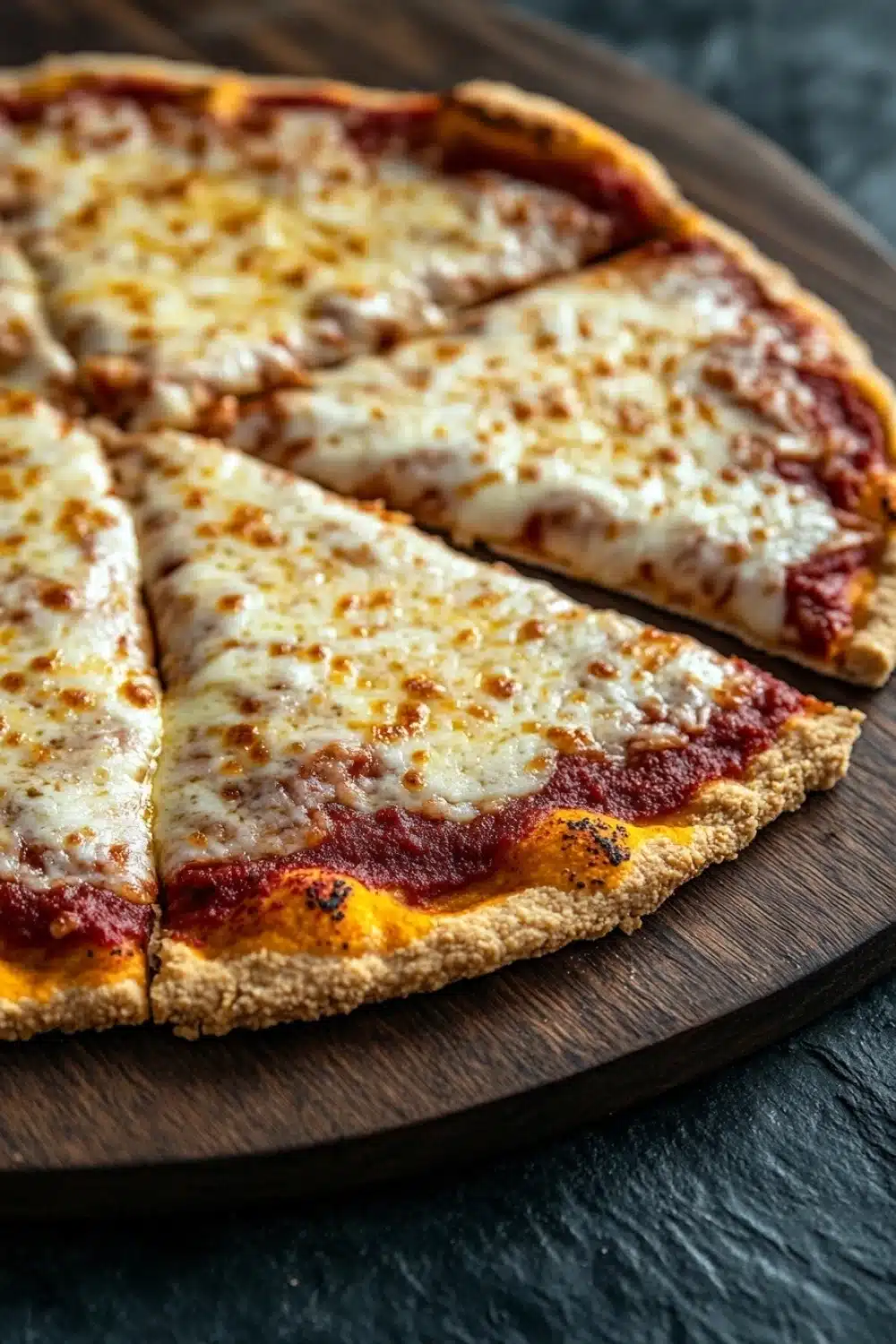
Gluten-free pizza? Yes, please.
There’s something about the smell of baking bread that turns my kitchen into a haven. When I rolled out this King Arthur gluten-free pizza crust dough for the first time, I was skeptical—gluten-free often means crumbly or bland. But this blend changed the game. It’s crispy on the edges and chewy inside, like the crust you dream about after a long day of meal prepping.
Mixing the dough felt like a quick dance with my wooden spoon—sticky yet forgiving. The little bubbles of yeast foaming in the warm water gave me hope right from the start. No need to be a dough whisperer here; if you can stir, you can nail this crust.
This crust stands up to whatever toppings you throw on it without turning into a soggy mess. Trust me, it’s a gluten-free crust that doesn’t pretend to be anything less than what it is—a solid base for your pizza adventures.
For a delicious homemade option, check out our recipe for King Arthur Gluten-Free Pizza Crust that’s both crispy and chewy.
Real-Life Wins of King Arthur Gluten-Free Pizza Crust
- Quick turnaround—ready to slice and devour in just over half an hour, perfect for last-minute pizza cravings.
- Edge crunch meets chewy center, nailing that classic pizza-texture vibe without gluten drama.
- Flexible storage options: Keep dough chilled for a day or stash baked crust in the freezer for lazy pizza nights.
- Hands-on fun—pressing and stretching that dough is oddly satisfying, like dough therapy after a rough day.
- Easy swaps for toppings mean this crust plays nice with any flavor mood swings your crew throws at you.
King Arthur Gluten-Free Pizza Crust

A delicious and easy-to-make gluten-free pizza crust using King Arthur Gluten-Free Flour Blend. This crust is crispy on the edges and chewy inside, perfect for your favorite pizza toppings.
- Prep Time: 15 minutes
- Cook Time: 20 minutes
- Total Time: 35 minutes
- Yield: 8 slices
Ingredients
1 1/2 cups King Arthur Gluten-Free Flour Blend
1 teaspoon xanthan gum
1 teaspoon baking powder
1 teaspoon salt
1 tablespoon sugar
1 packet (2 1/4 teaspoons) active dry yeast
3/4 cup warm water (110°F)
1 tablespoon olive oil, plus more for the bowl and dough
1 teaspoon apple cider vinegar
Instructions
In a small bowl, combine the warm water and sugar. Stir until the sugar dissolves. Sprinkle the active dry yeast over the water and let it sit for 5 to 10 minutes until foamy.
In a large mixing bowl, whisk together the King Arthur Gluten-Free Flour Blend, xanthan gum, baking powder, and salt.
Add the yeast mixture, olive oil, and apple cider vinegar to the dry ingredients.
Using a wooden spoon or a stand mixer fitted with the paddle attachment, mix until a sticky dough forms. The dough should be slightly sticky but manageable. If too dry, add water 1 tablespoon at a time; if too wet, add flour 1 tablespoon at a time.
Lightly oil a clean bowl. Transfer the dough to the bowl and turn to coat with oil. Cover the bowl with a clean kitchen towel or plastic wrap and let the dough rise in a warm place for 30 minutes.
Preheat the oven to 425°F (220°C). Lightly grease a 12-inch pizza pan or line it with parchment paper.
Transfer the dough to the prepared pan. With oiled hands, gently press and stretch the dough into a 12-inch circle, creating a slightly thicker edge for the crust.
Bake the crust in the preheated oven for 12 to 15 minutes until the edges are golden and the crust is set.
Remove the crust from the oven and add your favorite gluten-free pizza toppings.
Return the pizza to the oven and bake for an additional 8 to 10 minutes until the toppings are cooked and the cheese is melted and bubbly.
Remove from the oven, let cool for 5 minutes, slice, and serve.
Explore more:
Dinner Recipes
Mastering King Arthur’s Gluten-Free Pizza Crust
The Magic Behind the Mix: Why Each Ingredient Matters
Gluten-free baking is a wild beast—without gluten, dough behaves like a rebellious teenager. King Arthur’s Gluten-Free Flour Blend offers a solid base, but understanding each component’s role gives you the upper hand. Take xanthan gum—it’s the unsung hero, mimicking gluten’s stretch and bind properties, giving your dough elasticity and chew. Skip it, and you’re left with a crumbly, sad mess. Then there’s baking powder, which delivers that subtle puff, creating lightness without turning your crust into a sponge. Sugar? It’s not just a sweetener; it’s yeast’s fuel. The active dry yeast needs that sugar kick to bubble up, making your dough rise like a champ. Apple cider vinegar might seem odd—but it tightens the dough’s structure, improving texture and flavor depth. Together, these ingredients choreograph a dance that turns a sticky blob into a pizza base with crisp edges and a chewy heart. It’s chemistry, but with a dash of kitchen swagger.
Quick Fixes When Your Dough Throws a Tantrum
Sometimes, the dough just doesn’t want to play nice. Maybe it’s too wet; maybe it’s dry as the Sahara. Here’s the lowdown:
- Too sticky? Don’t panic. Dust your hands and workspace with flour—gluten-free flour is your friend here. Add it one tablespoon at a time to the dough; it’ll stop sticking without turning into a brick.
- Too dry? Splash in a teaspoon of warm water, then mix. Repeat sparingly until it’s tacky but manageable. Remember, gluten-free dough loves a little moisture to stay pliable.
- Not rising? Check your yeast freshness first—dead yeast means flat dough. Also, make sure your water is warm, not hot; yeast’s delicate, like a diva.
- Edges not crisping? Brush the crust with a little olive oil before baking. This simple trick gives that coveted golden edge and keeps things from drying out.
Swap It Like a Pro: Ingredient Hacks Without Sacrificing Quality
Out of apple cider vinegar? No sweat. White vinegar can jump in, but keep it to a teaspoon to avoid overpowering your dough’s flavor. Prefer a different fat than olive oil? Avocado oil or melted coconut oil work in a pinch, adding their own subtle twist. When it comes to flour blends—stick close to King Arthur or other reputable gluten-free blends that contain a balanced mix of rice flour, tapioca starch, and potato starch. Using single-flour swaps like only almond or coconut flour will throw off the texture and rise, leading to pizza crust regrets. For sugar, honey or maple syrup are solid stand-ins, but remember—they’ll add extra moisture and a hint of sweetness, so tweak water amounts accordingly. Trust me—I’ve swapped and tweaked more times than I can count, and these tweaks keep your pie on point without the flop.
King Arthur Gluten-Free Pizza Crust FAQ
Can I use this dough without yeast?
No, yeast is crucial here. It gives the crust that light, airy texture instead of a dense brick. Skipping it will leave you with a tough, chewy mess.
What’s the trick to getting the crust crispy?
Glad you asked. The key is baking at a high temperature (425°F) and using olive oil on your pan and hands when shaping the dough. That little oil slick helps the edges crisp up without drying out the chewy inside. Also, resist the urge to overload toppings—too much moisture kills crispiness.
Can I make this dough ahead of time?
Absolutely. You can mix the dough and refrigerate it for up to 24 hours. Just let it warm up and come to room temp before shaping. It’s great for weekend meal prep when you want fresh pizza without the fuss.
Is this gluten-free crust good for freezing?
Yes! Baked crust freezes well for up to one month. Wrap it tight in plastic, toss it in the freezer, then thaw at room temp before adding toppings and popping back in the oven.
Do I need to add more flour or water when mixing the dough?
Maybe. The dough should be sticky but manageable. If it’s too wet, sprinkle in flour a tablespoon at a time. Too dry? Add water the same way. It’s a little like tuning your favorite guitar—little adjustments make all the difference.