
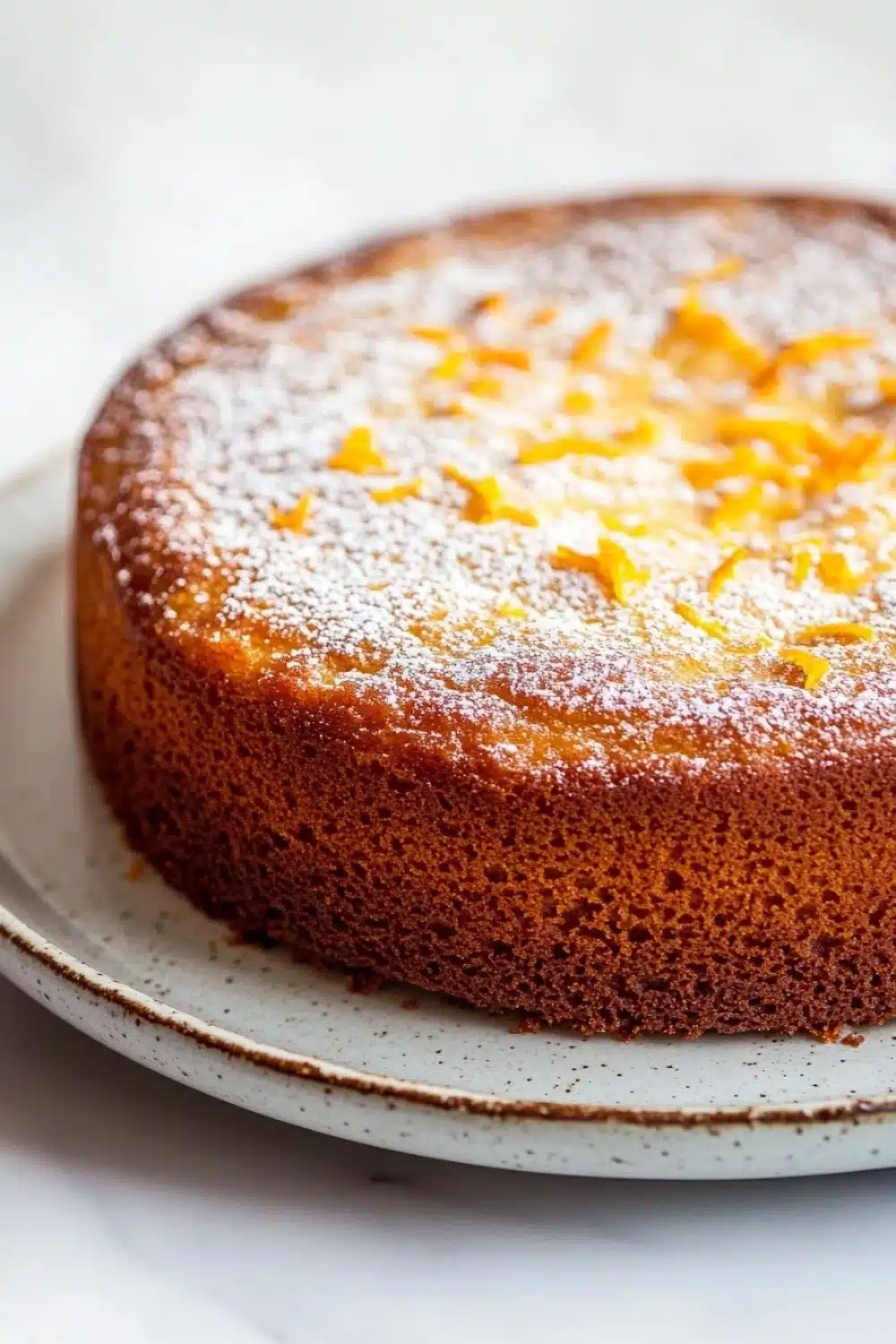
Wake up call: citrus magic awaits.
I never thought a simple yogurt cake could steal my heart—until this orange French yogurt cake strutted onto my kitchen counter. The air thick with zesty aroma, it’s like a breath of fresh Provencal air. I found myself impatiently watching the golden crust bubble in the oven, the sweet tang teasing my senses.
This isn’t your run-of-the-mill cake. The texture? Tender enough to melt, with just the right bounce that says, “I’m homemade and proud.” The orange zest and juice don’t just whisper—they shout bright, sunny notes. And that subtle vanilla kick? It ties everything together like a secret handshake between flavors.
By the time it’s sliced, the kitchen feels like a cozy French bistro. Perfect for breakfast or a cheeky afternoon pick-me-up, this cake flips the script on what you expect from a yogurt-based treat. Trust me, once you’ve had a slice, you’ll be hooked for good.
If you enjoy the bright, tangy flavors of our Greek Yogurt Lemon Loaf Cake: Bright, Tangy, and Moist Treat, you’re sure to love this orange French yogurt cake recipe as well.
Real Life Benefits of Baking Orange French Yogurt Cake
- Quick prep: From countertop to oven in just 15 minutes—perfect for those mornings when you’re racing the clock but crave something homemade.
- Simple ingredients: No need to raid specialty stores; pantry staples plus fresh oranges make this a no-fuss bake.
- Versatile snacking: Works equally well as a breakfast boost or a casual dessert, satisfying everyone’s sweet tooth without guilt.
- Moist texture without heaviness: The yogurt keeps the crumb tender and soft, so you avoid that dry, crumbly disaster that kills a good cake.
- Make-ahead magic: Bake it the night before, stash it airtight, and wake up to a cake that’s ready to serve—no stress, just yum.
Orange French Yogurt Cake
A moist and tender French-style yogurt cake infused with fresh orange zest and juice, perfect for breakfast or dessert.
- Prep Time: 15 minutes
- Cook Time: 40 minutes
- Total Time: 55 minutes
- Yield: 8
Ingredients
1 cup plain whole milk yogurt
1 cup granulated sugar
3 large eggs
1/2 cup vegetable oil
1 1/2 cups all-purpose flour
2 teaspoons baking powder
1/4 teaspoon salt
Zest of 2 medium oranges
1/4 cup freshly squeezed orange juice
1 teaspoon pure vanilla extract
Powdered sugar for dusting (optional)
Instructions
Preheat the oven to 350°F (175°C). Grease a 9-inch (23 cm) round cake pan and line the bottom with parchment paper.
In a large mixing bowl, whisk together the yogurt, granulated sugar, and eggs until smooth and well combined.
Add the vegetable oil, orange zest, orange juice, and vanilla extract to the yogurt mixture. Whisk until fully incorporated.
In a separate bowl, sift together the all-purpose flour, baking powder, and salt.
Gradually add the dry ingredients to the wet ingredients, folding gently with a spatula until just combined. Do not overmix.
Pour the batter into the prepared cake pan and smooth the top with a spatula.
Bake in the preheated oven for 35 to 40 minutes, or until a toothpick inserted into the center comes out clean.
Remove the cake from the oven and allow it to cool in the pan for 10 minutes.
Run a knife around the edges to loosen the cake, then invert it onto a wire rack to cool completely.
Once cooled, dust the top with powdered sugar if desired before serving.
Explore more:
Breakfast Recipes
Mastering the Orange French Yogurt Cake
The Zest and Juice Tango: Why Both Matter
Here’s a pro tip straight from my kitchen escapades—using both the zest and the juice of oranges isn’t just some fancy chef’s whim; it’s the heart and soul of this cake’s flavor profile. The zest carries those sharp, aromatic oils that slap your senses awake with bold citrus notes, while the juice offers a juicy, tangy punch that keeps the crumb moist and lively. Skip one, and you’re leaving flavor money on the table. I once tried just zest or just juice—meh, it was like expecting a jazz concert and getting elevator music. So, always zest and squeeze. Trust me, your taste buds will do a little happy dance.
Swapping Ingredients Without Losing Your Mind (or Moisture)
Alright, ingredient swaps can get tricky, especially in a cake that relies on that tender yogurt texture. Whole milk yogurt is the OG here because of its fat content—it keeps the crumb soft and the mouthfeel slick, no cardboard vibes. Trying to go fat-free? You’re playing with fire; the cake may turn out dry or rubbery. If you want to use Greek yogurt, drain it a bit to reduce thickness or loosen the batter with a splash of milk—otherwise, you’ll end up with a dense block, not a cake. Veggie oil? Don’t even think about swapping it with butter straight up. Butter’s flavor is great, but it changes the batter’s chemistry—go for a neutral oil if you must, like canola or light olive oil. Also, sugar’s sugar, but if you’re feeling frisky, swapping granulated for coconut sugar adds a caramel-y twist, though it’ll darken the cake’s color. Play smart, not wild.
When Your Cake Flops: The Fixer-Upper Guide
Bake a cake that sinks? Overmixing is usually the culprit—those gluten strands tighten up like a noose. Remember: fold gently, don’t whip like you’re on a cooking show. Another classic blunder is oven heat. Not all ovens are created equal; some are hotter than the devil’s oven mitt. Invest in an oven thermometer (yeah, I said it)—avoid burnt edges or undercooked centers. If your cake comes out dry, the fix isn’t always a do-over; try brushing the cut layers with a little orange juice or simple syrup while still warm. It’s a slick move to add moisture post-bake and keep that citrus vibe alive. Lastly, if the cake sticks to the pan, parchment paper and a light grease job are your best mates—no heroic knife jabs needed. I’ve learned that the hard way, trust me.
Orange French Yogurt Cake FAQs
Yes, you can. Though whole milk yogurt gives the cake a richer texture, using low-fat yogurt will still yield a moist cake. Just expect a slightly lighter crumb.
Sifting the flour with baking powder and salt helps to aerate the mixture, giving you a lighter, fluffier cake. Skipping it might result in a denser crumb — not a disaster, but why settle for less?
Insert a toothpick or skewer into the center — if it comes out clean or with just a couple of moist crumbs, your cake’s ready. If it’s wet batter, bake a few minutes longer.
Absolutely. Lemon zest will give a tangier twist but keep the citrus vibe alive. Just remember to adjust the juice accordingly so the batter doesn’t get too runny.
Not mandatory, but it adds a nice touch for presentation and a hint of sweetness on top. If you’re keeping it casual, skip it—your call.