
Let’s get real.
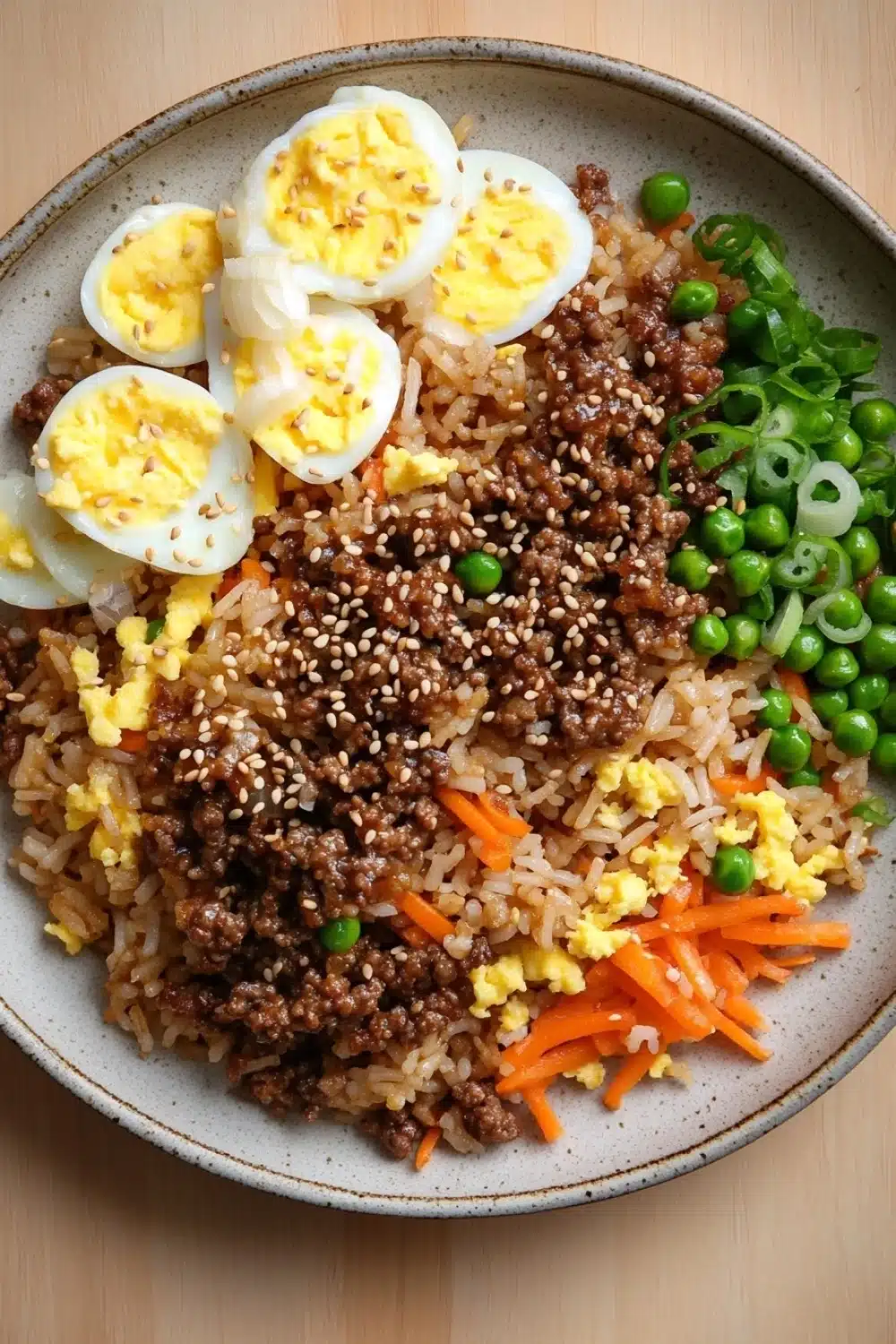
There’s something magnetic about a skillet sizzling with lean beef and garlic—the kind that pulls you in, promising a quick fix that doesn’t scrimp on flavor or protein. In my kitchen, this Korean beef fried rice recipe isn’t just a meal; it’s a weekday hero, a no-nonsense power-up after a long day.
What sets it apart? The gochujang sauce—a punchy Korean chili paste—and the crisp-tender veggies that add texture without stealing the spotlight. Toss in day-old jasmine rice, and you’ve got that coveted wok hei, the breath of the wok, bringing a slight char that whispers “authentic.”
In less than 30 minutes, you’re rewarded with a plate that’s hearty, spicy, and ready to fuel your hustle. Trust me, once you’ve nailed the timing and balance here, this dish becomes your go-to in the protein game.
For a comforting meal, you might also enjoy our Korean Chicken Noodle Soup: A Hearty Dak Kalguksu Recipe that pairs well with high protein Korean beef fried rice.
Real-Life Perks of Cooking High Protein Korean Beef Fried Rice
- Quick turnaround—ready in about 25 minutes, making it a perfect weeknight rescue when you’re short on time but hungry for something punchy.
- Protein powerhouse—lean ground beef packs a solid 90% lean punch, keeping you fueled without the grease overload.
- Day-old rice magic—using chilled rice means no mushy mess; it fries up with a seriously satisfying texture that’s anything but soggy.
- One-pan wonder—minimal cleanup with everything cooked in a single skillet or wok. Less scrubbing, more chilling.
- Versatile flavor—spicy gochujang sauce adds heat and umami, but you can dial it back or swap ingredients to suit your mood or pantry stash.
High Protein Korean Beef Fried Rice
A flavorful and protein-packed Korean beef fried rice made with lean ground beef, vegetables, and a savory gochujang sauce. Perfect for a quick and satisfying meal.
- Prep Time: 10 minutes
- Cook Time: 15 minutes
- Total Time: 25 minutes
- Yield: 4
Ingredients
2 tablespoons vegetable oil
1 pound lean ground beef (90% lean)
1 medium yellow onion, finely chopped
3 cloves garlic, minced
1 cup shredded carrots
1 cup frozen peas, thawed
4 cups cooked jasmine rice, preferably day-old and chilled
3 tablespoons gochujang (Korean chili paste)
2 tablespoons low sodium soy sauce
1 tablespoon sesame oil
2 large eggs
3 green onions, thinly sliced
1 tablespoon toasted sesame seeds
1/2 teaspoon ground black pepper
Instructions
Heat 1 tablespoon of vegetable oil in a large skillet or wok over medium-high heat.
Add the lean ground beef to the skillet and cook, breaking it apart with a spatula, until browned and cooked through, about 5-6 minutes. Drain excess fat if necessary.
Add the chopped onion and minced garlic to the beef. Cook for 2-3 minutes until the onion is translucent and fragrant.
Stir in the shredded carrots and thawed peas. Cook for another 2 minutes until the vegetables are slightly tender.
Push the beef and vegetable mixture to one side of the skillet. Add the remaining 1 tablespoon of vegetable oil to the empty side of the skillet.
Crack the eggs into the oil and scramble them until just set, about 1-2 minutes.
Mix the scrambled eggs into the beef and vegetables.
Add the chilled cooked rice to the skillet. Stir well to combine all ingredients evenly.
In a small bowl, whisk together the gochujang, soy sauce, sesame oil, and black pepper.
Pour the sauce over the rice mixture and stir thoroughly to coat all the rice and beef evenly.
Cook for an additional 3-4 minutes, stirring frequently, until the rice is heated through and slightly crispy on the bottom.
Remove from heat and stir in the sliced green onions.
Transfer to serving plates and garnish with toasted sesame seeds before serving.
Explore more:
Dinner Recipes
Mastering High Protein Korean Beef Fried Rice
The Secret to That Golden Crust
There’s nothing quite like the satisfying sizzle of rice hitting a hot skillet—this is where the magic happens. Using day-old jasmine rice is clutch here because it’s drier, which prevents clumping and helps you score that coveted crispy texture called ‘socarrat’ in other rice cultures, but in Korean cooking, think of it as the ‘banchan’ of the fried rice world—small, crunchy, and absolutely essential. The trick? Spread the rice in an even layer and let it sit undisturbed for a good 2-3 minutes on medium-high heat. Resist the urge to stir immediately; this patience pays off with a crust that’s both nutty and texturally awesome. Oh, and don’t skimp on the oil—vegetable oil handles the heat like a champ, allowing the rice to toast without burning. Once you’ve got that crisp down, toss everything together and get ready for flavor fireworks.
Ingredient Swaps That Don’t Kill the Vibe
Lean ground beef is the MVP here, packing protein without that grease pool that ruins pan control. But what if you’re feeling a little wild or vegan vibes? Consider swapping it out with ground turkey for a similar protein punch or even crumbled tempeh for a plant-based twist that holds up under heat with a pleasantly chewy bite. And if gochujang isn’t on your spice rack, a combo of miso paste and a pinch of chili flakes can fake it well—just don’t go dumping sriracha in there; it messes with the balance. Frozen peas? No sweat—they keep their shape and color better than fresh in this context. Pro tip: shred your carrots finely so they mingle with the rice instead of standing out like a sore thumb. Every swap needs to respect the harmony of texture and flavor—we’re building layers, not chaos.
Fixing the Usual Fried Rice Fails — No More Soggy or Clumpy Results
Ever made fried rice that ended up soggy or, worse, a sticky mess? Yeah, I’ve been there, and it’s a total killer. The culprit is almost always moisture—whether from fresh rice, overloading the skillet, or adding watery veggies too early. Here’s how to dodge these bullets: use chilled, day-old rice; cook your aromatics and beef thoroughly before adding veggies; and for heaven’s sake, add the sauce in measured amounts—too much soy or gochujang makes it a mush pit. When scrambling eggs, keep them loose and mix quickly to avoid clumps that break the rhythm of bites. Lastly, when stirring the rice and sauce, do it gently but firmly—treat the rice like you’re coaxing each grain to a perfect coat, not smashing it into submission. Master this and every bite will have distinct grains with that punchy, smoky flavor that says, “I’m fried rice done right.”
High Protein Korean Beef Fried Rice FAQ
Can I use a different kind of meat?
Absolutely! While lean ground beef packs protein and flavor, swapping in ground turkey or chicken works well too, just adjust cooking times to keep things juicy.
Is day-old rice really necessary?
Yes, yes, yes. Freshly cooked rice tends to clump and get mushy when fried. Using day-old, chilled jasmine rice keeps those grains separate—giving you that coveted wok hei texture.
Can I make this vegan?
No, not as is. The recipe relies on ground beef and eggs. But hey, swap beef for plant-based crumbles and skip the eggs or use tofu scramble for a plant-powered spin.
How spicy is the gochujang?
Gochujang brings a medium heat with a subtle sweetness and umami punch. If you’re not a spice fiend, start with less and build up—this stuff can sneak up on you.
What’s the best way to reheat leftovers?
Hit up a hot skillet to revive that crispy finish—microwaving’s faster but won’t give you that smoky, slightly charred vibe. Just toss in a splash of water or oil and stir frequently.