
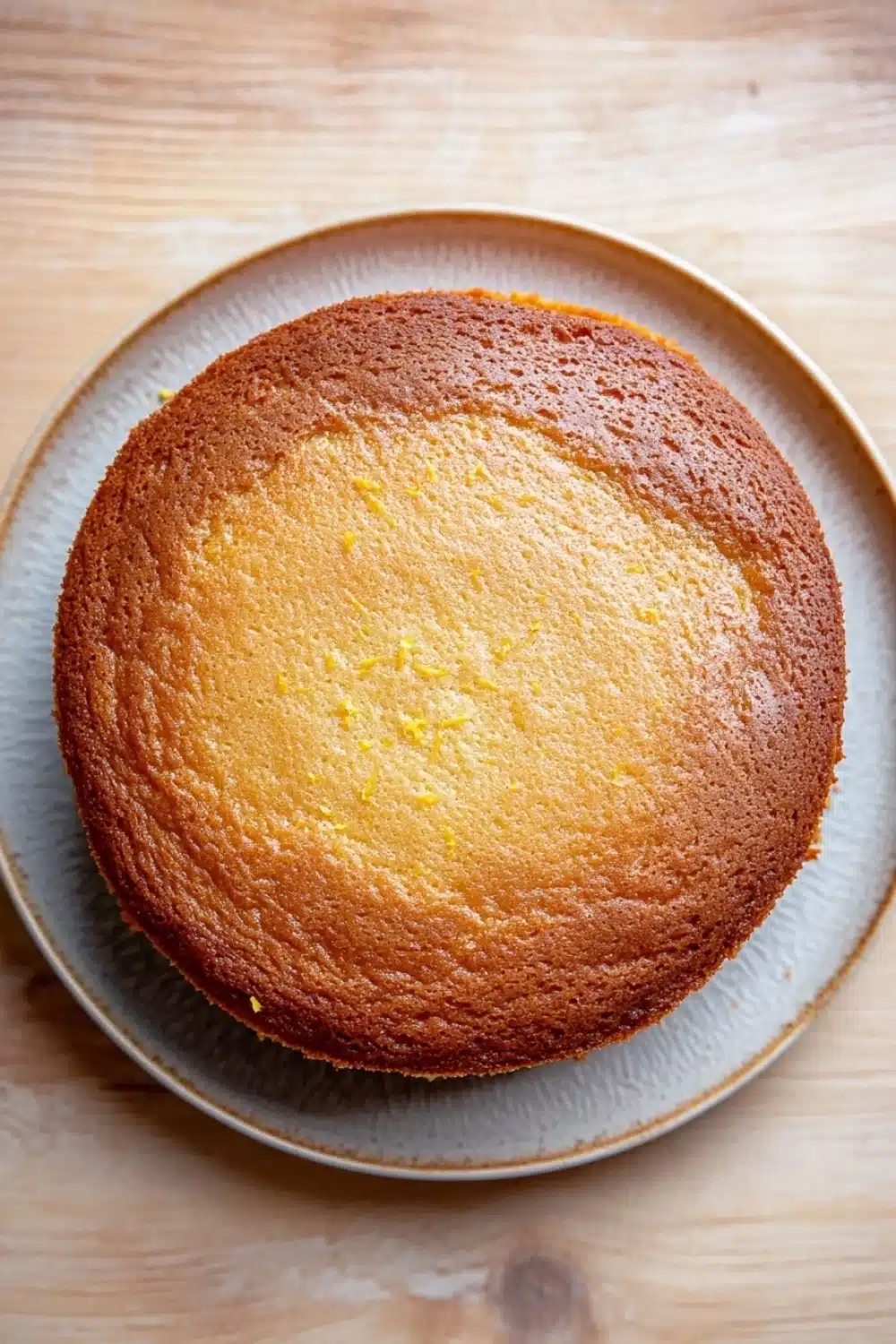
Bright. Bold. Zesty.
That’s how I describe lemon oil cake the moment it hits the oven. The kitchen instantly perks up—the scent of fresh lemon zest mingling with warm vanilla oil fills the air, a nose-tingling promise of something incredible. It’s not just baking; it’s like catching a sunbeam in a pan.
Pouring the glossy batter into the pan, I’m reminded why this cake is a kitchen staple. Moist but not heavy, tender yet packed with citrus punch—that perfect balance is what keeps me coming back. There’s no need to faff about with complicated ingredients or fancy techniques. Just good old simple stuff—oil, lemons, eggs, sugar—working in perfect harmony.
It’s the kind of cake I reach for when life needs a little brightening up. No fluff, just real texture and honest flavor. And when it’s served, watch how quickly the crumbs disappear. That’s the true measure of a lemon oil cake done right.
If you’re looking for a delicious snack to pair with your lemon cake oil creations, try this Whipped Feta Dip with Roasted Grapes: A Snack Worth Savoring for a perfect balance of flavors.
Real-Life Perks of Baking This Lemon Oil Cake
- Quick prep—15 minutes and you’re halfway to a tasty treat that feels like a hug in cake form.
- Moist texture that stays fresh for days, meaning no need to rush through the whole cake in one sitting.
- Lemon zest and juice combo hits just right, making it a zesty wake-up call on a lazy weekend afternoon.
- Oil-based batter means it’s forgiving—no cracked tops or dry crumbs, even if you’re a bit rough with the mixing.
- Versatile enough to serve plain, dusted with powdered sugar, or topped with fresh berries for an impromptu guest visit.
Lemon Oil Cake

A moist and tender lemon oil cake with bright citrus flavor and a delicate crumb, perfect for any occasion.
- Prep Time: 15 minutes
- Cook Time: 40 minutes
- Total Time: 55 minutes
- Yield: 8
Ingredients
1 1/2 cups (190 grams) all-purpose flour
1 teaspoon baking powder
1/2 teaspoon baking soda
1/4 teaspoon salt
1 cup (200 grams) granulated sugar
3 large eggs
1/2 cup (120 ml) vegetable oil
1/2 cup (120 ml) whole milk
1/4 cup (60 ml) fresh lemon juice
1 tablespoon lemon zest (from about 1 large lemon)
1 teaspoon pure vanilla extract
Instructions
Preheat the oven to 350°F (175°C). Grease and flour an 8-inch (20 cm) round cake pan or line it with parchment paper.
In a medium bowl, whisk together the all-purpose flour, baking powder, baking soda, and salt until well combined.
In a large bowl, whisk the granulated sugar and eggs together until the mixture is pale and slightly thickened, about 2-3 minutes.
Add the vegetable oil to the egg mixture and whisk until fully incorporated.
Stir in the whole milk, fresh lemon juice, lemon zest, and vanilla extract until combined.
Gradually add the dry ingredients to the wet ingredients, folding gently with a spatula or whisk until just combined. Do not overmix.
Pour the batter into the prepared cake pan and smooth the top with a spatula.
Bake for 38 to 42 minutes, or until a toothpick inserted into the center comes out clean.
Remove the cake from the oven and allow it to cool in the pan for 10 minutes.
Run a knife around the edges of the cake to loosen it, then invert onto a wire rack to cool completely before serving.
Explore more:
Breakfast Recipes
Mastering the Moist Magic of Lemon Oil Cake
The Oil Factor: Why Skip Butter This Time?
When it comes to cakes, butter usually steals the spotlight—but lemon oil cake dances to a different beat. Using vegetable oil instead of butter keeps the crumb tender and moist long after the cake cools down. Butter solidifies when chilled, which can stiffen the crumb and dull the texture. Oil? It remains liquid at room temp, making every slice supple and soft, like a velvet glove on your palate. I’ve seen many bakers trip up here, thinking richer means butter, but for this cake, oil is the MVP. Plus, oil blends seamlessly with the lemon juice and zest, carrying the citrus punch without any greasy aftertaste. It’s like the cake’s secret weapon—low profile, high impact.
Mixing Like a Pro—Watch That Batter!
Here’s where the rubber meets the road. Overmixing your batter is a rookie move—gluten gets cranky, the crumb tightens, and your cake turns out dense, not dreamy. I always tell friends to fold gently when combining wet and dry. Use a spatula, not a mixer, and stop as soon as you see no dry streaks. It’s totally okay if the batter looks a bit lumpy. That’s your cue to quit while you’re ahead. This isn’t about homogenizing a smoothie; it’s more like coaxing a fluffy cloud out of a storm. If you want to nerd out, the baking powder and soda team up here, reacting with the lemon juice to puff the cake just right. But that gas can only work if the batter isn’t overworked. So keep your wrist loose and your patience tight.
When Life Gives You Lemons—Fixing Common Cake Fails
Sunken center? Could be overbaking, or maybe your oven runs hot. Invest in an oven thermometer—trust me, it’s a game changer. Too dry? That’s usually a sign of too much flour or overmixing. Next time, measure your flour by spooning it into the cup instead of scooping aggressively—no packin’ it down! And if your cake tastes flat, don’t sweat it. Double-check your lemon juice freshness and zest quantity; sometimes store-bought lemons just don’t cut the mustard. I once salvaged a sad lemon cake by brushing the cooled slices with a quick lemon syrup (lemon juice + sugar + a splash of water). Boom—instant zing! Baking is a dance of small victories; these tweaks keep you in rhythm.
Lemon Oil Cake FAQs
Yes, you can swap vegetable oil for a mild olive oil, but choose a light one to keep that delicate lemon zing front and center—extra fruity olive oils can overpower the cake.
Nope, this recipe calls for all-purpose flour, which contains gluten. To make it gluten-free, you’d need to experiment with a blend of gluten-free flours—just keep in mind the texture might shift a bit since gluten helps with structure.
Don’t skip the oil—that’s the MVP here. Also, baking it just until a toothpick comes out clean without overbaking keeps the crumb tender. Letting it cool in the pan for 10 minutes before unmolding helps it set without drying out.
Absolutely. Double the ingredients and bake in a 9×13-inch pan or two 8-inch pans. Just keep an eye on the bake time—it might need a few extra minutes. You’ll know it’s done when a toothpick poked into the center comes out clean as a whistle.
It’s got a bright pop—thanks to fresh lemon juice and zest—but it’s balanced, not puckeringly sour. If you want it to lean more into lemon town, toss in extra zest, but tread lightly; you don’t want bitter notes creeping in.