
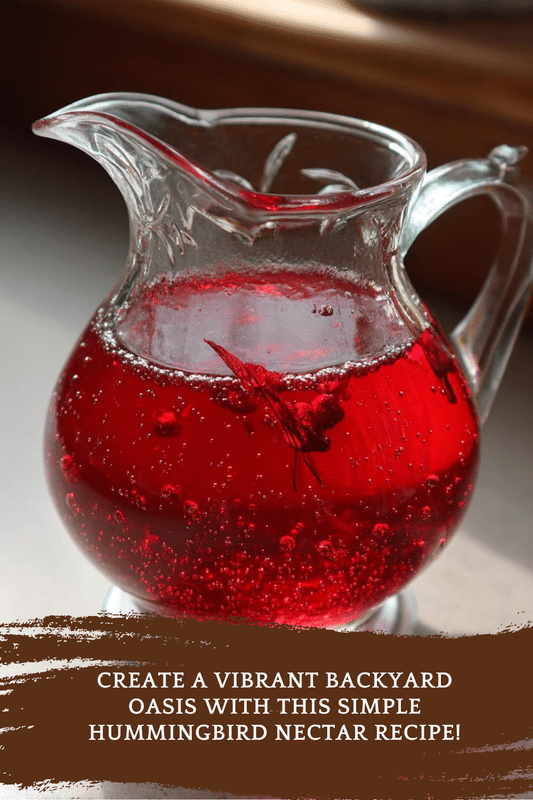
Introduction to Hummingbird Nectar Recipe
As a passionate home cook, I find joy in the little things, like watching hummingbirds flit around my backyard. This hummingbird nectar recipe is a delightful way to attract these beautiful creatures to your feeders. It’s a quick solution for busy days when you want to add a touch of nature to your home. With just a few simple ingredients, you can create a sweet treat that brings joy not only to the birds but also to you and your family. Trust me, there’s nothing quite like the thrill of seeing these tiny wonders up close!
PrintHummingbird nectar recipe for the perfect backyard feeders!
A simple and effective recipe for making hummingbird nectar to attract these beautiful birds to your backyard feeders.
- Prep Time: 5 minutes
- Cook Time: 5 minutes
- Total Time: 10 minutes
- Yield: Approximately 2 cups of nectar
- Category: Beverage
- Method: Boiling
- Cuisine: American
- Diet: Vegan
Ingredients
- 1 part granulated sugar
- 4 parts water
Instructions
- Boil the water in a saucepan.
- Add the granulated sugar to the boiling water.
- Stir until the sugar is completely dissolved.
- Remove from heat and let the mixture cool.
- Fill your hummingbird feeders with the cooled nectar.
- Store any leftover nectar in the refrigerator for up to a week.
Notes
- Do not add red dye to the nectar; it is unnecessary and can be harmful to the birds.
- Clean your feeders regularly to prevent mold and bacteria growth.
- Change the nectar every few days, especially in hot weather.
Why You’ll Love This Hummingbird Nectar Recipe
This hummingbird nectar recipe is not just easy; it’s a breeze! In just 10 minutes, you can whip up a batch that will have those little birds buzzing around your yard. Plus, it’s made with simple ingredients you probably already have at home. No fancy equipment or complicated steps here! Just pure, sweet nectar that will make your backyard a haven for these enchanting creatures.
Ingredients for Hummingbird Nectar Recipe
Creating your own hummingbird nectar is simple and requires just a couple of ingredients. Here’s what you’ll need:
- Granulated Sugar: This is the main ingredient. It provides the sweetness that attracts hummingbirds. Always use plain white sugar; other types can be harmful.
- Water: The base of your nectar. Using filtered or distilled water is best, as it’s free from chemicals that could affect the birds.
While these are the essentials, you might come across recipes suggesting red dye. Please skip that! It’s unnecessary and can be harmful to our feathered friends.
If you’re looking for a more eco-friendly option, consider using organic sugar. It’s a great way to ensure you’re providing the best for the birds while being kind to the environment.
For exact measurements, check the bottom of the article where you can find them available for printing. Happy hummingbird feeding!
How to Make Hummingbird Nectar Recipe
Making your own hummingbird nectar is a delightful process. It’s quick, easy, and incredibly rewarding. Let’s dive into the steps to create this sweet treat for our feathered friends!
Step 1: Boil the Water
Start by boiling about four cups of water in a saucepan. I like to use filtered water to keep it clean and chemical-free. The sound of bubbling water is like music to my ears, signaling that we’re on our way to attracting those lovely hummingbirds!
Step 2: Add Sugar
Once the water is boiling, it’s time to add one cup of granulated sugar. Pour it in slowly, watching it swirl and dissolve. This is where the magic begins! The sugar is what makes this hummingbird nectar recipe irresistible to our tiny visitors.
Step 3: Stir Until Dissolved
Give the mixture a good stir until the sugar is completely dissolved. You’ll know it’s ready when the water looks clear again. This step is crucial because undissolved sugar can create a sticky mess in your feeders. Plus, we want the nectar to be smooth and sweet!
Step 4: Cool the Mixture
After stirring, remove the saucepan from heat and let the mixture cool. I usually transfer it to a glass bowl to speed up the cooling process. Patience is key here; we don’t want to burn our little friends when filling the feeders!
Step 5: Fill Feeders
Once the nectar is cool, it’s time to fill your hummingbird feeders. Pour the nectar carefully, avoiding spills. I like to use a funnel for this part. It makes the process cleaner and easier. Your feeders should be filled about three-quarters full to allow for easy access for the birds.
Step 6: Store Leftovers
If you have any leftover nectar, store it in the refrigerator. It will keep for up to a week. Just remember to let it cool to room temperature before refilling your feeders. This way, you’ll always have fresh nectar ready for those charming little visitors!
Tips for Success
- Always use fresh water and sugar for the best results.
- Clean your feeders every time you refill them to prevent mold.
- Change the nectar every few days, especially in hot weather.
- Keep an eye on the feeders; if they’re empty, refill them promptly!
- Position your feeders in a shady spot to keep the nectar cool.
Equipment Needed
- Saucepan: A medium-sized pot works best. You can also use an electric kettle for boiling water.
- Stirring Spoon: A wooden or silicone spoon is ideal. Avoid metal to prevent scratching your cookware.
- Measuring Cup: Use a standard measuring cup for accuracy. A liquid measuring cup can also work.
- Funnel: This is optional but helpful for filling feeders without spills.
Variations
- Flavored Nectar: Add a splash of natural fruit juice, like orange or cranberry, for a unique twist. Just remember to keep the sugar ratio the same!
- Herbal Infusion: Consider steeping fresh mint or basil in the boiling water for a refreshing herbal note. Strain it out before adding sugar.
- Organic Option: Use organic granulated sugar for a more eco-friendly choice. It’s a great way to support sustainable practices.
- Low-Sugar Version: If you want to experiment, try reducing the sugar slightly. Just be aware that it may not attract as many hummingbirds.
- Seasonal Variations: In the fall, you can add a hint of cinnamon for a cozy flavor that complements the changing seasons.
Serving Suggestions
- Pair your hummingbird feeders with colorful flowers to create a vibrant garden display.
- Set up a cozy seating area nearby to enjoy watching the birds while sipping iced tea.
- Consider adding a birdbath to attract even more wildlife to your backyard.
- Use decorative feeders to enhance your garden’s aesthetic while providing nourishment.
FAQs about Hummingbird Nectar Recipe
Can I use brown sugar instead of granulated sugar?
While brown sugar might seem like a tasty alternative, it’s best to stick with granulated sugar. Brown sugar contains molasses, which can be harmful to hummingbirds. They prefer the pure sweetness of white sugar!
How often should I change the nectar in my feeders?
It’s important to change the nectar every few days, especially in hot weather. This helps prevent mold and keeps the nectar fresh for our feathered friends. If you notice any cloudiness, it’s time for a change!
Do I need to add red dye to the nectar?
Nope! There’s no need for red dye in your hummingbird nectar recipe. The birds are naturally attracted to the color red in your feeders. Adding dye can be harmful to them, so it’s best to keep it natural.
Can I make a larger batch of nectar?
<pAbsolutely! Just remember to maintain the 1:4 sugar-to-water ratio. You can easily scale up the recipe to suit your needs. Just be sure to store any leftovers in the fridge!
What if I don’t have a feeder?
If you don’t have a feeder, you can create a makeshift one using a clean bottle with small holes in the cap. Just hang it in a suitable spot, and the hummingbirds will find it! Just make sure to keep the nectar fresh.
Final Thoughts
Creating this hummingbird nectar recipe is more than just a simple task; it’s an invitation to connect with nature. Watching these tiny birds dart around your backyard brings a sense of joy and wonder that’s hard to describe. Each time I refill my feeders, I feel like I’m part of a beautiful dance between nature and nurture. Plus, it’s a wonderful way to engage your family in the magic of wildlife. So, grab your ingredients and let the hummingbirds bring a little extra sparkle to your day. Trust me, you won’t regret it!