
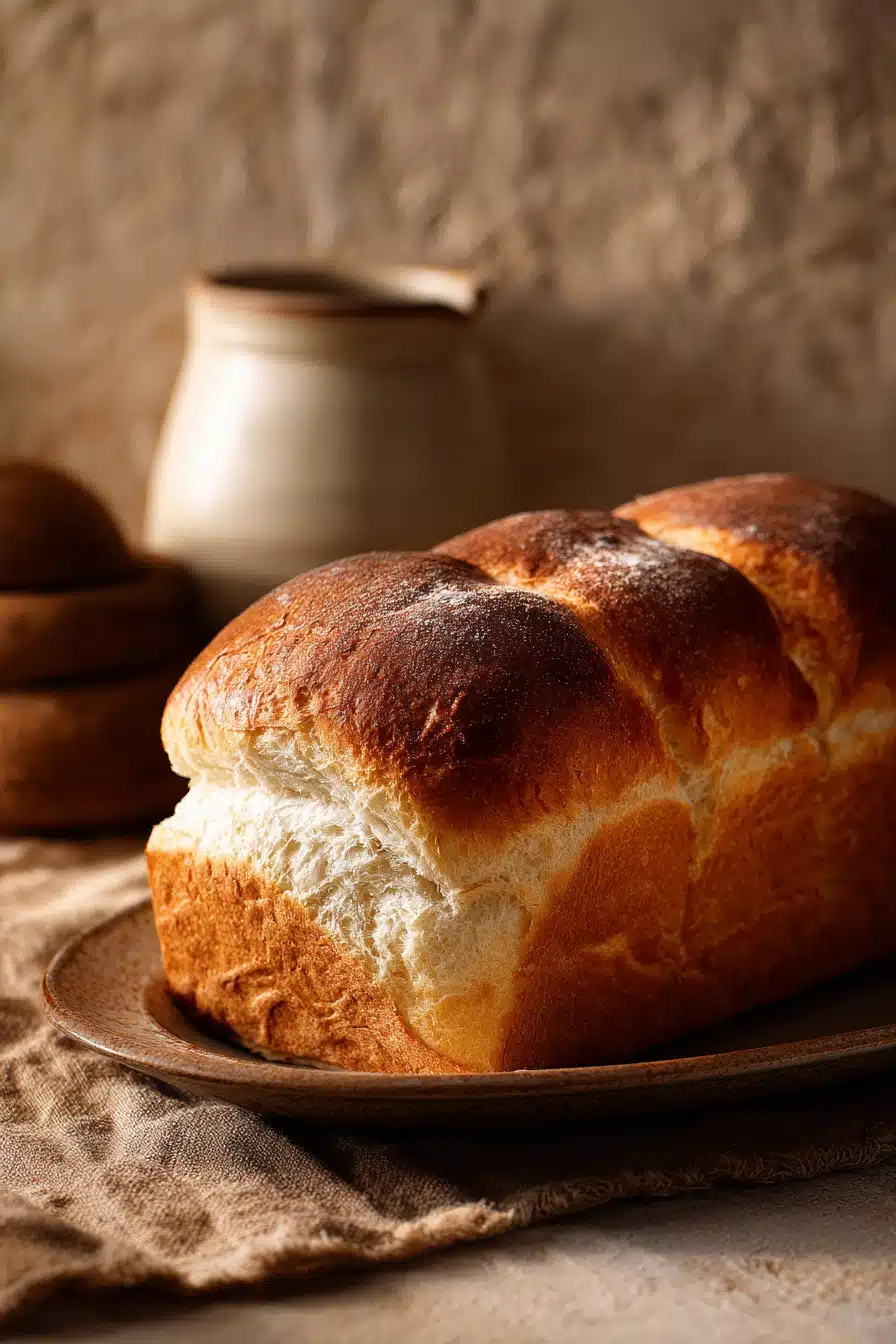
There’s something about the aroma of freshly baked bread that turns an ordinary morning into a moment worth savoring. This classic yeast bread recipe brings that comforting scent and soft, pillowy texture straight to your kitchen. It’s the kind of bread that invites you to pause, take a deep breath, and maybe even forget about the to-do list for just a little while.
Last weekend, I decided to give this recipe a try. The process felt a bit like a dance—waiting for the dough to rise while the sunlight streamed through the window and the hum of everyday life drifted in the background. I wasn’t perfectly on top of timing; I checked the dough a few times, wondering if it had risen enough, and maybe I let it rest a minute longer than needed. But that little patience paid off. When the loaf came out of the oven, golden and warm, I sliced into it even before it cooled completely. The crumb was soft and airy, with a slight chew that made me wish I had more slices ready to go. It’s funny how something so simple can feel like a small celebration.
Why You’ll Love It
- This bread has a soft, fluffy texture that’s perfect for everything from sandwiches to toast.
- The recipe is straightforward, making it approachable even if you don’t bake often.
- It requires some patience with rising times, but that’s part of the charm—it’s simple—and that’s kind of the point.
- You get to enjoy the wonderful smell of yeast bread filling your home while it bakes.
And if you’re worried about not having all the fancy equipment, don’t be. A sturdy bowl and a loaf pan are really all you need.
PrintClassic Yeast Bread

A simple and delicious classic yeast bread recipe that yields a soft, fluffy loaf perfect for sandwiches, toast, or enjoying fresh from the oven.
- Prep Time: 15 minutes
- Cook Time: 30 minutes
- Total Time: 1 hour 45 minutes
- Yield: 8 slices
Ingredients
3 1/2 cups (420g) all-purpose flour, plus extra for kneading
1 packet (2 1/4 teaspoons) active dry yeast
1 1/4 cups (300ml) warm water (110°F/43°C)
2 tablespoons (25g) granulated sugar
1 teaspoon salt
2 tablespoons (30ml) olive oil
Instructions
In a small bowl, dissolve the sugar in the warm water.
Sprinkle the active dry yeast over the water and let it sit for 5 to 10 minutes until foamy.
In a large mixing bowl, combine 3 cups of the flour and the salt.
Make a well in the center of the flour mixture and add the yeast mixture and olive oil.
Stir with a wooden spoon or spatula until a sticky dough forms.
Turn the dough out onto a floured surface and knead for about 8 to 10 minutes, gradually adding the remaining 1/2 cup flour as needed, until the dough is smooth and elastic.
Place the dough in a lightly oiled bowl, turning it to coat all sides with oil.
Cover the bowl with a clean kitchen towel or plastic wrap and let the dough rise in a warm place for about 1 hour, or until doubled in size.
Preheat the oven to 375°F (190°C).
Punch down the risen dough to release air bubbles and shape it into a loaf.
Place the shaped dough into a greased 9×5-inch loaf pan.
Cover the loaf pan and let the dough rise again for 30 minutes, or until it rises slightly above the edge of the pan.
Bake the bread in the preheated oven for 25 to 30 minutes, or until the crust is golden brown and the loaf sounds hollow when tapped.
Remove the bread from the oven and let it cool in the pan for 10 minutes.
Transfer the bread to a wire rack to cool completely before slicing.
Kitchen Notes: I usually use a basic loaf pan and a clean kitchen towel for covering the dough when it rises. If you’re serving this for breakfast, it’s fantastic with just a bit of butter and honey or alongside a simple egg dish. I haven’t tested it with whole wheat flour, but you could try substituting part of the all-purpose flour if you want to experiment, just keep an eye on the dough’s consistency. Adding a handful of herbs or a sprinkle of seeds on top before baking might change the flavor profile a bit, though I’m still figuring out what works best there.
FAQ
Can I speed up the rising time? Rising is key for the texture, so rushing it might make the bread denser. A warmer spot in your kitchen can help, but don’t rush too much.
What if I don’t have active dry yeast? Instant yeast could work in a pinch, but you might need to adjust how you add it.
Can this bread be frozen? Yes, it freezes nicely. Just wrap it well and thaw at room temperature before slicing.
Try this classic yeast bread next time you crave something homemade and comforting. There’s a quiet satisfaction in breaking your own bread, and this recipe makes that feeling easy to reach.