
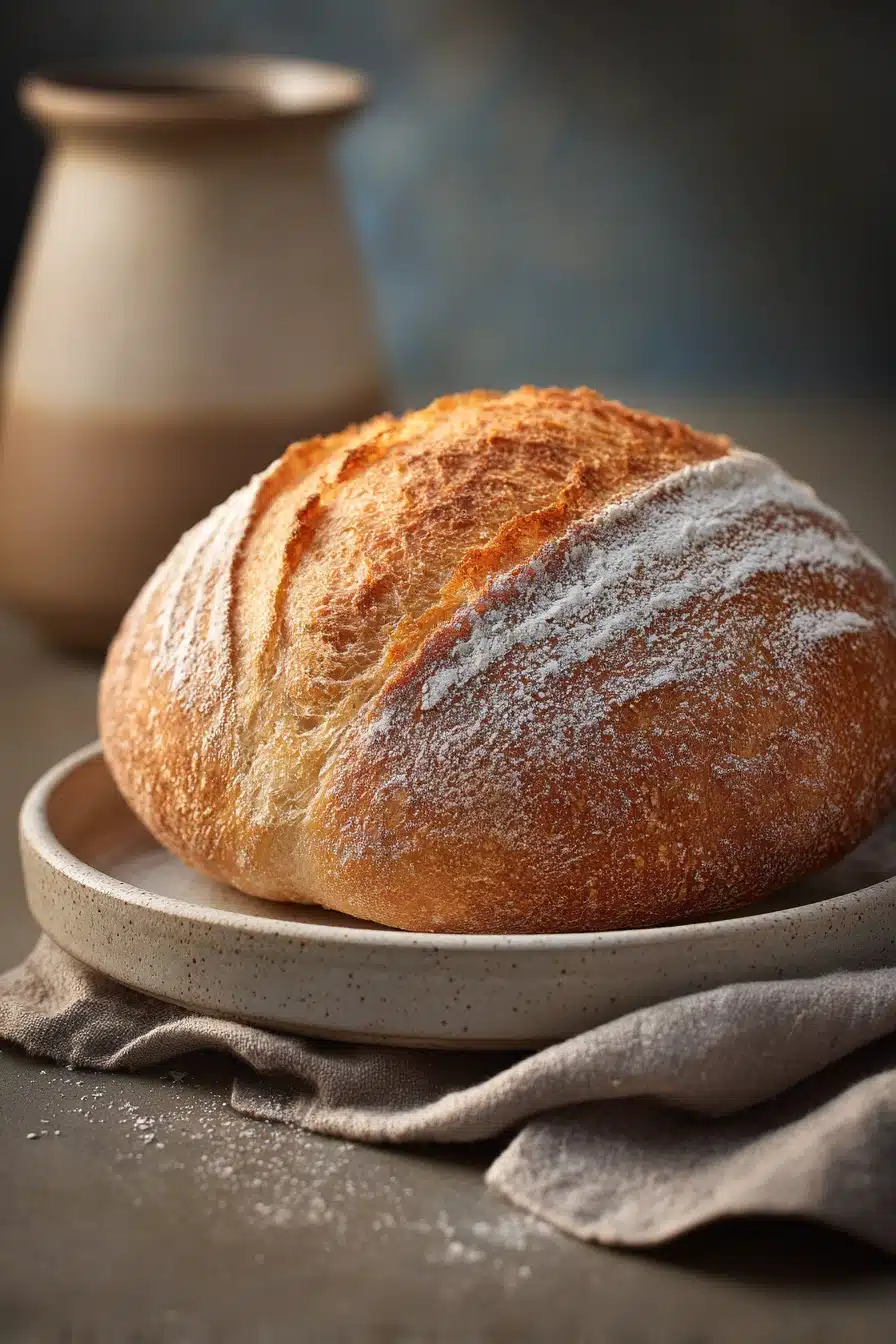
There’s something about the smell of fresh bread baking that feels like a warm hug after a long week. One Sunday, I decided to finally try making classic yeast bread myself. I was half-distracted by a podcast and maybe a little impatient, but watching the dough slowly rise through the afternoon made me realize how simple moments in the kitchen can become rituals. When the crust turned that perfect golden brown, I couldn’t help but slice into it before it fully cooled — the crumb was still tender, a little softer than I expected, but exactly what I wanted. It was messy and imperfect, but it made the kitchen smell like home.
That first bite, with butter melting into the soft bread, was worth every minute. And the best part? This bread works just as well for a quick breakfast toast as it does piled with lunch sandwich fixings or alongside a cozy dinner soup.
Why You’ll Love It
- Soft crumb with a golden crust that’s satisfying to slice and chew.
- Simple ingredients and straightforward steps — it’s approachable, even if you’re not a baker.
- It takes a bit of time, but most of it is waiting; you can easily do other things while it rises.
- It’s simple — and that’s kind of the point. No fancy additions, just reliable comfort.
- Perfect for sandwiches, toast, or just tearing apart fresh with a pat of butter.
If you’re nervous about yeast, don’t be. It might not rise exactly the same every time, and that’s okay. Every loaf feels a little different, like a tiny kitchen adventure.
PrintClassic Yeast Bread

A simple and delicious classic yeast bread recipe with a soft crumb and golden crust, perfect for sandwiches or toast.
- Prep Time: 15 minutes
- Cook Time: 30 minutes
- Total Time: 1 hour 45 minutes
- Yield: 12 slices
Ingredients
3 1/4 cups (390 grams) all-purpose flour, plus extra for kneading
1 packet (2 1/4 teaspoons) active dry yeast
1 1/4 cups (300 ml) warm water (105°F to 115°F)
2 tablespoons (25 grams) granulated sugar
1 teaspoon (6 grams) salt
2 tablespoons (30 ml) vegetable oil
Instructions
In a small bowl, dissolve the sugar in the warm water.
Sprinkle the active dry yeast over the water and let it sit for 5 to 10 minutes until foamy.
In a large mixing bowl, combine the flour and salt.
Add the yeast mixture and vegetable oil to the flour mixture.
Stir with a wooden spoon until a shaggy dough forms.
Turn the dough out onto a lightly floured surface and knead for about 8 to 10 minutes until smooth and elastic, adding flour as needed to prevent sticking.
Place the dough in a lightly oiled bowl, cover it with a clean kitchen towel or plastic wrap, and let it rise in a warm place for about 1 hour, or until doubled in size.
Punch down the dough to release the air and shape it into a loaf.
Place the loaf into a greased 9×5-inch loaf pan.
Cover the pan and let the dough rise again for 30 to 45 minutes until it rises about 1 inch above the rim of the pan.
Preheat the oven to 375°F (190°C).
Bake the bread for 30 minutes until the crust is golden brown and the loaf sounds hollow when tapped.
Remove the bread from the oven and let it cool in the pan for 10 minutes.
Transfer the bread to a wire rack to cool completely before slicing.
Kitchen Notes: You don’t need anything fancy—just a sturdy bowl and a loaf pan will do. This bread pairs beautifully with soup or your favorite jam for breakfast. I sometimes swap vegetable oil for olive oil for a slightly richer flavor, but I haven’t tested it enough to say it’s a must. If you’re feeling adventurous, sprinkling some oats on top before baking adds a nice rustic touch, though it’s totally optional. Also, if you’re short on time, you can skip the second rise, but the texture might be a bit denser.
FAQ
Can I use instant yeast instead of active dry yeast? Yes, but you can mix it directly with the flour without proofing first.
How do I know when the bread is done? It should sound hollow when tapped on the bottom and have a deep golden crust.
What’s the best way to store leftover bread? Keep it wrapped at room temperature for a few days or freeze slices for longer storage.
Can I add seeds or herbs? Sure, but add them during mixing to incorporate evenly.
Ready to get your hands a little floury? Give this classic yeast bread a try and enjoy the simple pleasure of homemade bread your way.