
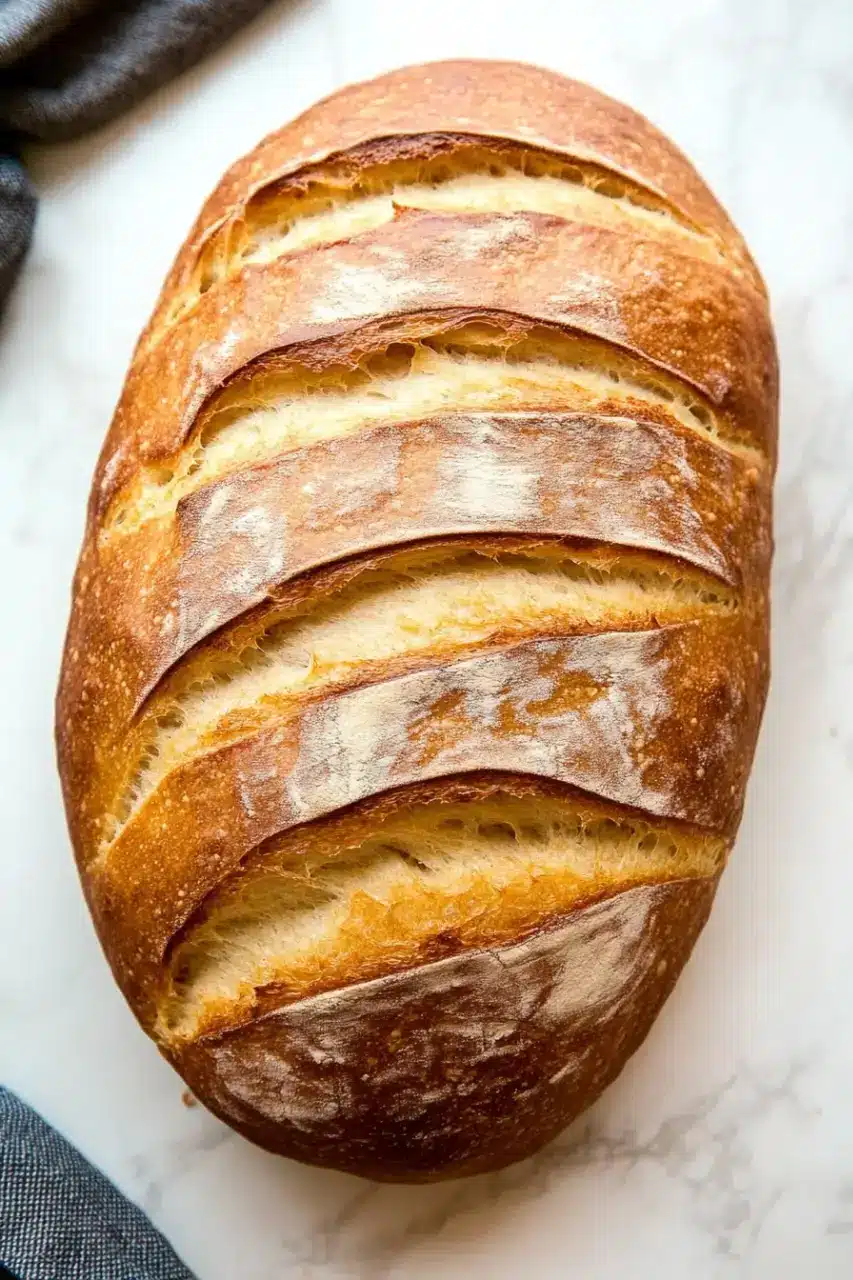
There’s something quietly satisfying about pulling a loaf of warm bread from the oven, especially one with a subtle tang and tender crumb. This yeast bread with buttermilk carries that kind of magic. It’s the kind of bread that isn’t just a side dish but a small celebration on its own.
One afternoon, I found myself distracted by the gentle hum of a slow rain outside while this bread was rising. The smell of butter and yeast mingled with the faint tang of buttermilk, filling the kitchen in a way that made me pause and lean against the counter, just watching the dough slowly puff up. I wasn’t in a rush. The dough looked a little lumpy in spots—definitely not perfectly smooth—but that was part of the charm. When it baked, the crust turned golden, a little uneven, with a rustic feel that made slicing it feel like uncovering a warm secret. I wasn’t even sure if I’d get to enjoy it all myself.
That first bite was soft, with a slight chew that begged for butter or a smear of jam. It’s bread that makes you slow down, even if just for a moment, and enjoy the simple pleasure of good food made by hand.
Why You’ll Love It
- Soft crumb with a gentle tang from the buttermilk—comfort food without fuss.
- It’s simple — and that’s kind of the point. No complicated ingredients, just honest bread.
- Versatile enough for sandwiches or alongside dinner, but also great on its own.
- The slow rise means you can plan it around your day, no rush, just patience.
Don’t worry if your dough isn’t perfectly smooth or if the crust looks a bit rustic—it’s part of the charm and makes each loaf feel homemade and unique. You’ll get there with practice, but even the first try is delicious.
PrintYeast Bread with Buttermilk
A soft and flavorful yeast bread made with tangy buttermilk, perfect for sandwiches or as a side to any meal.
- Prep Time: 15 minutes
- Cook Time: 35 minutes
- Total Time: 1 hour 50 minutes
- Yield: 12 slices
Ingredients
3 1/2 cups all-purpose flour, divided
1 packet (2 1/4 teaspoons) active dry yeast
1 cup warm buttermilk (about 110°F)
1/4 cup granulated sugar
1/4 cup unsalted butter, melted and cooled
1 teaspoon salt
1 large egg
Instructions
In a small bowl, combine the warm buttermilk and sugar. Stir until the sugar dissolves.
Sprinkle the active dry yeast over the buttermilk mixture. Let it sit for 5 to 10 minutes until the yeast is foamy.
In a large mixing bowl, whisk together 3 cups of flour and salt.
Add the melted butter and egg to the yeast mixture and whisk to combine.
Pour the wet ingredients into the flour mixture. Stir with a wooden spoon until a sticky dough forms.
Gradually add the remaining 1/2 cup flour, a little at a time, kneading the dough in the bowl or on a lightly floured surface until it becomes smooth and elastic, about 8 to 10 minutes. The dough should be slightly tacky but not sticky.
Place the dough in a lightly greased bowl, turning once to coat. Cover with a clean kitchen towel or plastic wrap and let it rise in a warm place until doubled in size, about 1 hour.
Punch down the dough to release air. Turn it out onto a lightly floured surface and shape it into a loaf.
Place the shaped dough into a greased 9×5-inch loaf pan. Cover and let it rise again until it doubles in size, about 30 to 40 minutes.
Preheat the oven to 375°F (190°C).
Bake the bread for 30 to 35 minutes, or until the top is golden brown and the loaf sounds hollow when tapped.
Remove the bread from the oven and let it cool in the pan for 10 minutes.
Transfer the bread to a wire rack and let it cool completely before slicing.
Kitchen Notes
Using a simple loaf pan and a kitchen towel to cover the dough is all you really need—nothing fancy required. This bread pairs perfectly with a bowl of soup or just butter and honey for an afternoon snack. I’ve tried swapping the all-purpose flour for half whole wheat once, and it gave the bread a denser texture and nuttier flavor, though it didn’t rise quite as high. Sometimes I add a sprinkle of oats on top before baking for a little extra texture, but I haven’t tested that enough to say it’s an improvement. Another time, I swapped the buttermilk for plain yogurt thinned with a splash of milk, which worked in a pinch but changed the flavor just enough to notice.
FAQ
Can I use regular milk instead of buttermilk? I usually recommend sticking with buttermilk or a buttermilk substitute since it adds that subtle tang and tenderness, but in a pinch, milk with a little vinegar or lemon juice can work.
How can I tell when the bread is done baking? The top should be golden brown and a quick tap on the bottom should sound hollow. It’s not an exact science, but you’ll get a feel for it after a couple of bakes.
Can I freeze this bread? Absolutely. Wrap it tightly once cooled and freeze for up to three months. Thaw at room temperature before slicing.
If you’ve been craving a slice of homemade bread with a bit of tang and a lot of comfort, this loaf is waiting. Give it a try—you might find yourself savoring more than just the bread.