
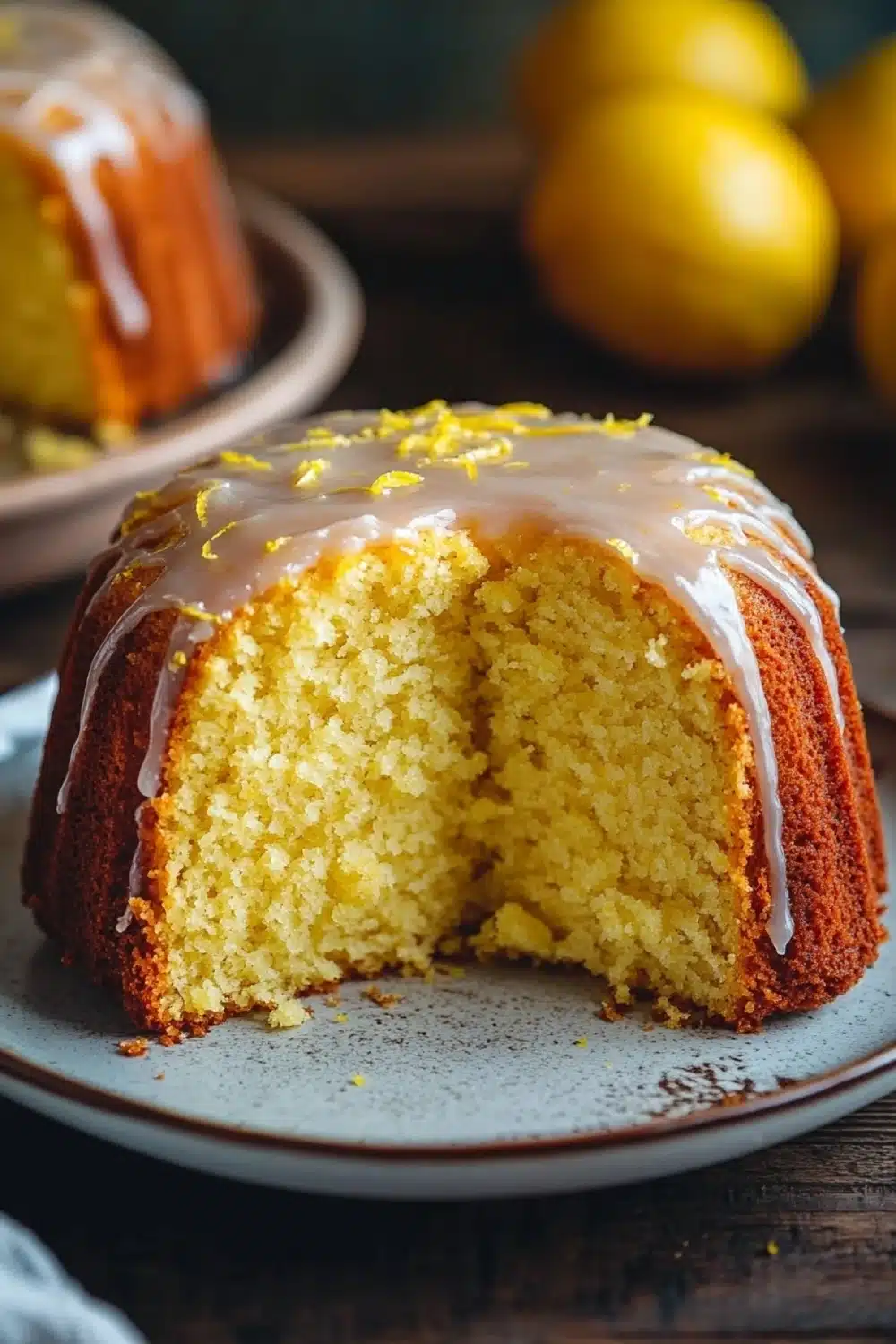
Sunshine in a slice.
There’s something about the zing of fresh lemon that flips the script on ordinary cakes. The kitchen hums with the scent of lemon zest and butter—like a sunbeam caught in a mixing bowl. I still remember the first time I whipped up a yellow lemon cake; it was a game changer. The batter felt like liquid gold sliding between my fingers, and the glaze? Oh, that glaze was pure cheeky magic, dripping down the sides with that perfect tang.
Designing a lemon cake isn’t just about taste—it’s about personality. Whether you’re going for a rustic, slapdash splash of glaze or a sleek, glossy finish, this cake dresses up any table like it owns the joint. The moist crumb and tart glaze are a tag team, hitting every note from sweet to sour with no mercy.
Ready to toss on some zest and make your cake sing? Let’s dive into the yellow lemon cake design — because this isn’t just baking, it’s a mood.
For a refreshing twist on your yellow lemon cake design, check out our guide on How to Make Lemon Cake with Japanese Ingredients for Bright Flavors.
Real Life Benefits of Baking This Yellow Lemon Cake
- Bakes up in under an hour—perfect for last-minute celebrations or when you want a sweet fix without the wait.
- The bright lemon zest and juice cut through the sweetness, keeping every bite fresh and not cloying—a real crowd-pleaser.
- Use common pantry staples plus fresh lemons—no hunting for weird ingredients at specialty stores.
- This cake holds moisture well thanks to sour cream, meaning it stays tender day after day, not dry as a bone.
- Glazing instead of heavy frosting means less sugar overload but still that shiny, tangy finish that makes it pop on any dessert table.
Yellow Lemon Cake

A moist and flavorful yellow lemon cake with a bright lemon glaze, perfect for any celebration or as a delightful dessert.
- Prep Time: 20 minutes
- Cook Time: 35 minutes
- Total Time: 55 minutes
- Yield: 8
Ingredients
2 1/2 cups all-purpose flour
2 1/2 teaspoons baking powder
1/2 teaspoon salt
1 cup unsalted butter, softened
1 3/4 cups granulated sugar
4 large eggs
1 teaspoon pure vanilla extract
1/2 cup whole milk
1/2 cup fresh lemon juice
2 tablespoons lemon zest
1/2 cup sour cream
1 1/2 cups powdered sugar
2 tablespoons fresh lemon juice (for glaze)
1 teaspoon lemon zest (for glaze)
Instructions
Preheat the oven to 350°F (175°C). Grease and flour two 9-inch round cake pans.
In a medium bowl, whisk together the all-purpose flour, baking powder, and salt. Set aside.
In a large bowl, using an electric mixer, cream the softened butter and granulated sugar together until light and fluffy, about 3-4 minutes.
Add the eggs one at a time, beating well after each addition.
Mix in the vanilla extract, lemon juice, and lemon zest until combined.
Alternately add the flour mixture and milk to the butter mixture, beginning and ending with the flour mixture. Mix each addition just until incorporated.
Fold in the sour cream gently until fully combined.
Divide the batter evenly between the prepared cake pans and smooth the tops with a spatula.
Bake for 32-35 minutes, or until a toothpick inserted into the center of the cakes comes out clean.
Remove the cakes from the oven and let them cool in the pans for 10 minutes.
Run a knife around the edges and turn the cakes out onto wire racks to cool completely.
To prepare the lemon glaze, whisk together the powdered sugar, lemon juice, and lemon zest in a small bowl until smooth.
Once the cakes are completely cool, place one cake layer on a serving plate and spread a thin layer of glaze on top.
Place the second cake layer on top and pour the remaining glaze over the top, allowing it to drip down the sides.
Let the glaze set for about 15 minutes before slicing and serving.
Explore more:
Breakfast Recipes
Mastering the Yellow Lemon Cake: Insider Tips & Tweaks
The Swap Game: When You’re Out of the Usual
Ever found yourself mid-recipe only to realize you’re missing a key ingredient? Happens to the best of us. For this yellow lemon cake, don’t panic if you don’t have whole milk on hand—grab some buttermilk or even plain yogurt instead. Both add a subtle tang that pairs surprisingly well with lemon’s brightness and keep the crumb moist. Sour cream? You can substitute it with Greek yogurt for a similar creamy punch, but watch the moisture balance; too much swap can turn the cake gummy. Butter is king here for richness, but if you’re feeling adventurous, try half butter, half vegetable oil—your cake will surprise you with a tender crumb, though the flavor shifts slightly. Don’t go full oil, though—this cake thrives on that buttery backbone.
Why It Works: The Layered Technique Breakdown
Alright, let’s break down the magic. Creaming butter and sugar first? That’s the classic way to whip air into the batter, giving this cake its lift. The eggs go in one by one—no rush—because each needs full incorporation to keep the batter stable; rushing here and you risk a dense, sad cake. Lemon juice and zest? They’re added early so their oils and acids mingle thoroughly with butter and sugar, coaxing out that sharp, clean lemon zip that punches through every bite. The alternating addition of dry and wet ingredients is no kitchen superstition either—slowly folding flour and milk prevents overworking the gluten. Overmix, and you’ll hear that dreaded ‘thunk’—a tough, chewy crumb nobody wants. Finally, sour cream enters the scene late and gentle, lending moisture and a slight tang, balancing the sweet and bright notes perfectly.
Fixing the Fails: When Your Cake Goes Off the Rails
Crackly top? That’s usually the oven running too hot or the batter left hanging too long before baking. Next time, preheat properly and don’t dilly-dally once mixed. A sunken middle screams underbaked or too much liquid—poke it with a toothpick right at the lower end of the bake time; better to add a few minutes than regret a collapsed cake. Too dry? Maybe you overmixed or swapped ingredients without adjusting moisture—next round, toss in an extra tablespoon of lemon juice or sour cream to keep it juicy. And if your glaze won’t set? Powdered sugar’s humidity enemy is lurking—make sure your cake cools completely before glazing. Pro tip: If you’re in a rush, pop the cake in the fridge for 10 minutes before glazing—it helps the glaze firm up without a sticky mess.
Yellow Lemon Cake FAQs
A1: Yes, you can, but fresh lemon juice really packs a punch in flavor. Bottled juice tends to be a bit flat—so if you must, maybe add a tad more zest to compensate.
A2: The classic toothpick test is your best bet here. Insert it into the center of the cake; if it comes out clean or with a few moist crumbs, you’re golden. No gooey batter on that stick means the cake’s ready to come out.
A3: Absolutely, but it’ll take a bit of finesse. Swap butter with a plant-based margarine and use a dairy-free yogurt or sour cream alternative. The texture might shift slightly, but the lemon zing will still shine through.
A4: Heck yes! Its bright lemon glaze and moist crumb make it a showstopper for birthdays, brunches, or just because. It’s simple, but it knows how to party.
A5: Yes and no. You can freeze the cake layers before glazing, wrapped tightly in plastic and foil for up to 2 months. But freezing after glazing isn’t ideal since the glaze might separate or get gummy once thawed.