
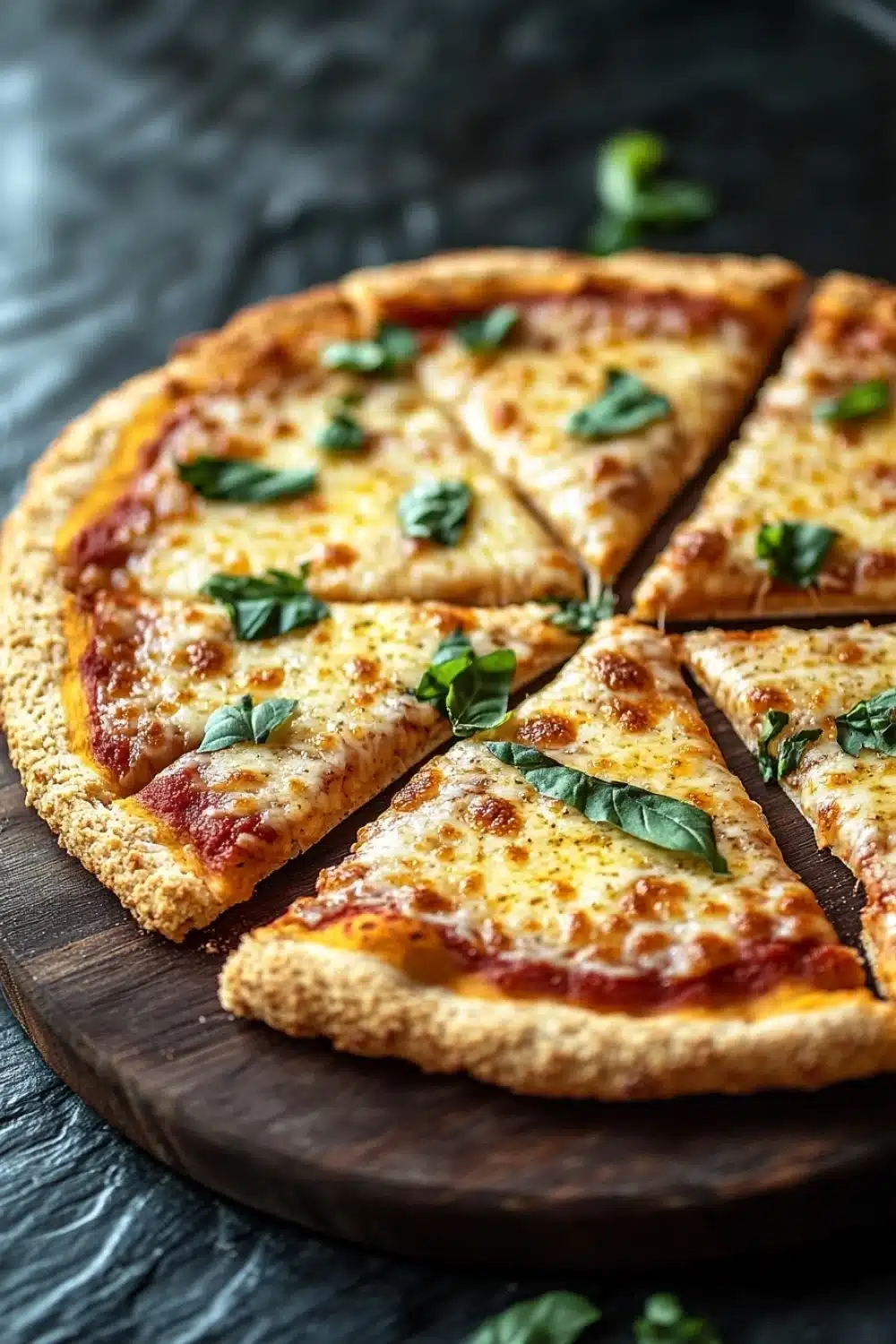
Game changer alert.
There’s something almost rebellious about making pizza crust without gluten — a dance on the edge of what dough can do. Psyllium husk steps in like the unsung hero, lending elasticity and chewiness that gluten usually hogs. Trust me, I’ve been down the crumbly, fragile crust road too many times to count, and this one flips the script.
Mixing that sticky dough, I love how the psyllium powder swells and binds everything together, creating a pliable, almost stretchy base that’s begging for toppings. It’s like giving your pizza crust a pair of roller skates — suddenly, it can roll with the punches rather than crumble under pressure.
Ready to toss the flour and jump into a crust that plays by its own rules? This recipe gets you there, no BS.
If you’re looking to perfect a gluten free pizza crust psyllium husk recipe, this guide on how to nail keto pizza crust in a cast iron pan is a must-read.
Real-Life Wins from Gluten-Free Pizza Crust with Psyllium Husk
- Finally, a gluten-free crust that doesn’t crumble at the first bite—thanks to psyllium husk holding it all together like a pro.
- Quick prep and rise time means you’re not stuck watching dough like a hawk—pizza night just got way more chill.
- The chewiness rivals traditional crusts, making it a crowd-pleaser even among gluten-eaters who usually side-eye GF options.
- Perfect for those with dietary restrictions but zero patience for cardboard texture—this crust handles toppings like a champ without falling apart.
- Leftover crust freezes well, so you can double down on batch cooking and skip the hassle next time hunger strikes.
Gluten-Free Pizza Crust with Psyllium Husk

A delicious and chewy gluten-free pizza crust made with psyllium husk powder to provide structure and elasticity, perfect for your favorite toppings.
- Prep Time: 15 minutes
- Cook Time: 20 minutes
- Total Time: 35 minutes
- Yield: 2 (10-inch pizzas)
Ingredients
1 1/2 cups gluten-free all-purpose flour blend (ensure it contains xanthan gum)
1 tablespoon psyllium husk powder
1 teaspoon baking powder
1/2 teaspoon salt
1 teaspoon sugar
1 tablespoon active dry yeast
3/4 cup warm water (110°F / 43°C)
1 tablespoon olive oil, plus extra for greasing
1 teaspoon apple cider vinegar
Instructions
In a small bowl, combine the warm water, sugar, and active dry yeast. Stir gently and let it sit for 5-7 minutes until frothy.
In a large mixing bowl, whisk together the gluten-free flour blend, psyllium husk powder, baking powder, and salt.
Add the yeast mixture, olive oil, and apple cider vinegar to the dry ingredients.
Mix thoroughly with a spoon or dough hook attachment on a stand mixer until a sticky dough forms. The dough should be moist but manageable.
Lightly grease a clean bowl with olive oil and place the dough inside, turning it to coat with oil. Cover the bowl with a clean kitchen towel or plastic wrap.
Let the dough rise in a warm place for 30 minutes until slightly puffed.
Preheat the oven to 425°F (220°C). Line a baking sheet or pizza stone with parchment paper and lightly grease it with olive oil.
Divide the dough into two equal portions. Place one portion on the prepared baking surface.
Using wet hands or a rolling pin, gently press and shape the dough into a 10-inch circle about 1/4 inch thick. Repeat with the second portion if baking both pizzas.
Bake the crust(s) in the preheated oven for 12-15 minutes until the edges are firm and lightly golden.
Remove the crust(s) from the oven, add your favorite toppings, and return to the oven to bake for an additional 7-10 minutes until toppings are cooked and cheese is melted.
Let the pizza cool for 5 minutes before slicing and serving.
Explore more:
Dinner Recipes
Mastering Gluten-Free Pizza Crust with Psyllium Husk
The Psyllium Hustle: Why This Powder Packs a Punch
Psyllium husk isn’t just some health nut’s fave; it’s the secret weapon that transforms crumbly gluten-free dough into a stretchier, chewier dream. Unlike gluten, which acts like nature’s rubber bands holding everything together, psyllium forms a gel when mixed with water. This gel mimics gluten’s elasticity, giving your dough the bounce it desperately needs. Skip this step, and you’re basically signing up for a crust that cracks like dry earth underfoot. I once tried baking without psyllium—big mistake. The crust was a sad, crumbly mess that could double as tile. So, if you want that satisfying give when you bite, don’t cut corners on this one.
Swapping Ingredients Without Losing Your Mind
Gluten-free baking is a bit like juggling flaming knives—one wrong move and the whole thing flames out. Using a gluten-free all-purpose flour blend with xanthan gum included? Essential. Without it, you’re asking for a dough that won’t hold together. But what if you don’t have psyllium husk? Ground flaxseeds or chia seeds soaked in water can work as stand-ins, but they won’t give quite the same bounce—expect a denser crust. Also, apple cider vinegar plays a sneaky role here; it reacts with the baking powder to give a lighter texture. Don’t swap it out for lemon juice without adjusting the other acids in the recipe—science, my friend, is not always forgiving. And water temperature? Yeast’s mood swings are real. Too hot, it dies; too cold, it’s a lazy bum that won’t froth.
Fixing the Flops: When Your Crust Goes Sideways
Crust too dry? That’s your dough crying out for moisture. Add a tablespoon of warm water, mix, and see if it perks up. Is it sticky like a toddler’s hands after finger painting? Lightly grease your hands before shaping to keep things manageable. Dough refuses to rise? Check your yeast—expired or dead yeast is the silent killer. The kitchen needs to feel like a cozy pizza spa (warm, not sauna-hot). Oven too hot? You’ll scorch edges while leaving the center floppy. Too cold? You’ll end up with a pale, sad pizza base that lacks crunch. Pro tip: let the crust bake solo first until edges turn golden before topping—this little trick prevents soggy bottoms. Trust me, this step’s a game-changer in the gluten-free world.
Gluten-Free Pizza Crust FAQs
A1: Nope, this recipe is specifically crafted for gluten-free all-purpose flour to keep it chewy and structured. Regular flour won’t work the same because it lacks the right binding agents like xanthan gum that gluten-free blends include.
A2: Psyllium husk powder is the secret MVP in gluten-free baking. It acts like a gluten stand-in, giving the dough elasticity and helping it hold together instead of crumbling to bits. It’s like giving your dough an invisible skeleton. Without it, you’re basically playing Jenga with your crust.
A3: Absolutely. You can prepare the dough, let it rise, then refrigerate it for up to 24 hours before baking. Just bring it back to room temp before shaping and baking. This trick helps develop a bit more flavor and makes your kitchen schedule more flexible—win-win.
A4: No, this recipe is designed for a thinner 10-inch crust about 1/4 inch thick. Trying to bulk it up much thicker will mess with the bake and texture. If you want deep-dish vibes, better to tweak the hydration and yeast, which gets a bit fiddly.
A5: Yes, but I don’t recommend it. The vinegar helps tenderize the dough and react with the baking powder to give a better rise and softer crumb. Omitting it makes a denser, less springy crust. So, if you’re in a pinch, go ahead—but your crust will feel different.