
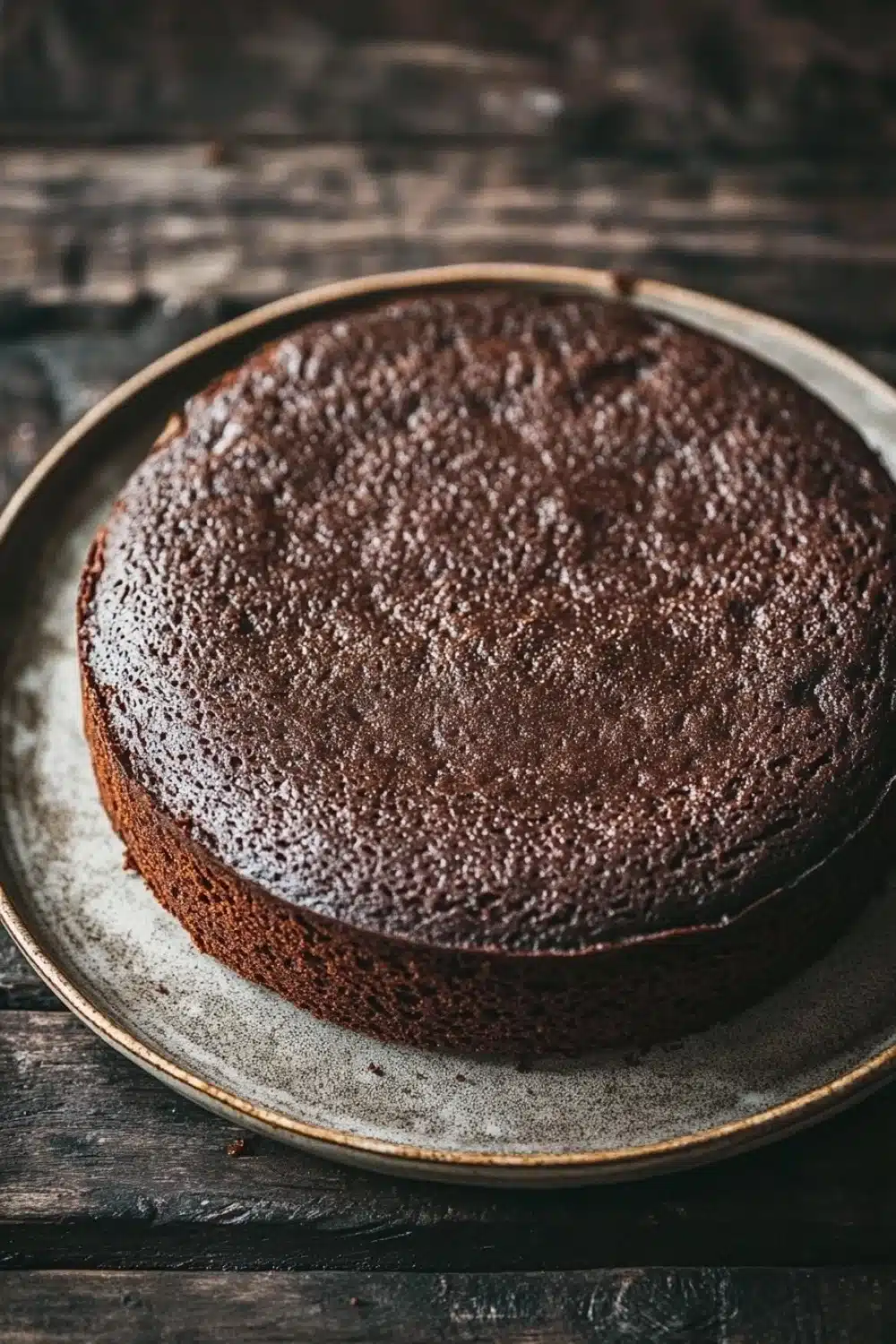
Pure chocolate bliss.
In my kitchen, the smell of cocoa is a serious call to arms. No frills, no fuss—just the deep, unmasked essence of chocolate in every bite. When I whip up this chocolate cake without icing, it’s all about honoring that unadulterated flavor, the kind that doesn’t need a sugary cloak to steal the show.
Mixing the batter is like jazz—improvisation with a method. The batter looks runny after the boiling water joins the party, but that’s the secret to its moist magic. Watching it rise and set in the oven, I get goosebumps every time. It’s like watching a slow-motion chocolate miracle unfold, no fancy coat required.
The best part? This cake holds its own with just a dusting of powdered sugar—or straight up naked. It’s a back-to-basics slice of heaven that makes you rethink the need for frosting altogether. Trust me, once you try this, you’ll never look at chocolate cake the same way again—no icing needed.
If you’re looking to try something different from the usual chocolate cake no icing, check out this Peanut Butter Cookie Crust Dessert: A Rich, No-Fuss Treat for a delicious twist.
Why This No-Icing Chocolate Cake Works in Real Life
- Zero fuss, zero mess: skip the icing and save yourself the sticky fingers and extra cleanup—this cake stands tall on its own.
- The boiling water trick? It’s the secret sauce that keeps the cake unbelievably moist, even days after baking—no dry crumbs here.
- Perfect for when you’re crunched for time but still want a homemade treat; from mixing to cooling, it’s under an hour.
- Classic chocolate flavor front and center—ideal if you’re not into the sugar bomb that frosting can sometimes bring.
- Room temp storage means no fridge blues—grab a slice whenever the craving hits, no waiting for chilling or defrosting needed.
Chocolate Cake No Icing
A rich and moist chocolate cake without any icing, perfect for those who prefer a simple, classic chocolate flavor in every bite.
- Prep Time: 15 minutes
- Cook Time: 35 minutes
- Total Time: 50 minutes
- Yield: 8
Ingredients
1 and 3/4 cups (220 grams) all-purpose flour
3/4 cup (65 grams) unsweetened cocoa powder
2 cups (400 grams) granulated sugar
1 and 1/2 teaspoons baking powder
1 and 1/2 teaspoons baking soda
1 teaspoon salt
2 large eggs
1 cup (240 ml) whole milk
1/2 cup (120 ml) vegetable oil
2 teaspoons pure vanilla extract
1 cup (240 ml) boiling water
Instructions
Preheat your oven to 350°F (175°C). Grease and flour a 9-inch (23 cm) round cake pan.
In a large mixing bowl, sift together the all-purpose flour, unsweetened cocoa powder, granulated sugar, baking powder, baking soda, and salt.
Add the eggs, whole milk, vegetable oil, and vanilla extract to the dry ingredients. Beat on medium speed for 2 minutes until the batter is smooth and well combined.
Carefully stir in the boiling water. The batter will be thin; this is normal.
Pour the batter evenly into the prepared cake pan.
Bake in the preheated oven for 30 to 35 minutes, or until a toothpick inserted into the center comes out clean.
Remove the cake from the oven and allow it to cool in the pan for 10 minutes.
Run a knife around the edges to loosen the cake, then invert it onto a wire rack to cool completely before serving.
Explore more:
Breakfast Recipes
Mastering the No-Icing Chocolate Cake: Tips, Tweaks, and Troubleshooting
The Magic Behind a Moist Chocolate Cake Without Frosting
Here’s the skinny—making a chocolate cake that’s rich and moist without slathering on icing hinges on the batter’s texture and the little tricks tucked inside the ingredient list. The boiling water might seem suspect, but it’s the secret MVP here. It dissolves the cocoa powder, intensifying that deep chocolate vibe, and thins the batter, which helps the cake rise with a tender crumb instead of the dreaded dry mouthfeel. I’ve seen bakers panic when the batter looks more like dark chocolate soup than cake batter—chill. It’s supposed to be this way.
Equally important is the balance of baking powder and baking soda which work in tandem to puff the cake up just right, making it light but not spongey. And that oil? No substituted butter here if you want that moist texture to linger. Butter’s flavor is great but it tends to tighten crumb structure. Oil keeps things loose and luscious. So if you’re skipping the frosting, lean into these ingredients to carry the flavor and texture load all on their own.
Substitutions That Won’t Kill Your Cake Game
Let’s talk swaps—because sometimes you’re out of staples or just feeling frisky.
- Flour: Need gluten-free? Use a 1:1 gluten-free baking flour blend with xanthan gum. It won’t be exactly the same, but the structure won’t sag like a bad punchline.
- Cocoa powder: Dutch-processed cocoa can replace natural, but remember it’s less acidic, so nix or reduce the baking soda by half to prevent a weird aftertaste or odd rise.
- Milk: Almond, oat, or soy milk all work—just make sure they’re unsweetened to keep sugar levels in check.
- Oil: Vegetable oil is a neutral player. Sub in canola or melted coconut oil, but coconut oil brings a subtle tropical undertone that might clash with the classic chocolate vibe.
These swaps let you roll with what you’ve got, no sweat. Just keep an eye on how the batter looks and feels—thin is in for this recipe.
How to Rescue a Dry or Dense Chocolate Cake
Ran into a dry cake? First, don’t throw in the towel. Here’s the drill:
1. Moisture check: Did you use oil or butter? Butter dries out faster. Next time, swap with oil.
2. Measure flour properly: Scooping straight from the bag packs too much flour. Fluff it up and spoon gently.
3. Oven calibration: Your oven might be running hot. An oven thermometer will save your batter’s life.
4. Don’t overbake: Pull it out the moment a toothpick comes out with a few moist crumbs. Overbaking kills any hope for that tender crumb.
If the cake came out dense, it’s usually mixing or leavening related—overmixing can collapse bubbles; under-leavening means no lift. Next go, mix until just combined and double-check your baking powder and soda freshness.
And here’s a pro tip—try serving each slice with a dollop of whipped cream or a dusting of powdered sugar for a little flair without the fuss of icing.
Chocolate Cake No Icing FAQ
A: Absolutely! Just adjust the baking time to about 18-22 minutes, and fill cupcake liners about two-thirds full. Keep an eye on them—they’ll rise quick but stay moist inside.
A: No. This recipe calls for all-purpose flour, which contains gluten. If you want a gluten-free version, you’ll need a substitute blend designed for baking, and it might change the texture a bit.
A: That’s the boiling water doing its magic. It thins out the batter, allowing the cocoa to bloom and creating that moist, tender crumb. Don’t sweat it—it’s exactly how it’s meant to be.
A: Wrap it tight or use an airtight container. Room temp is fine for a few days, but freeze for longer keepability. Thaw it out before digging back in.
A: Yep, you can add frosting if you want. This cake holds up well to a simple dusting of powdered sugar, whipped cream, or even a ganache. But honestly? It’s stellar on its own.