
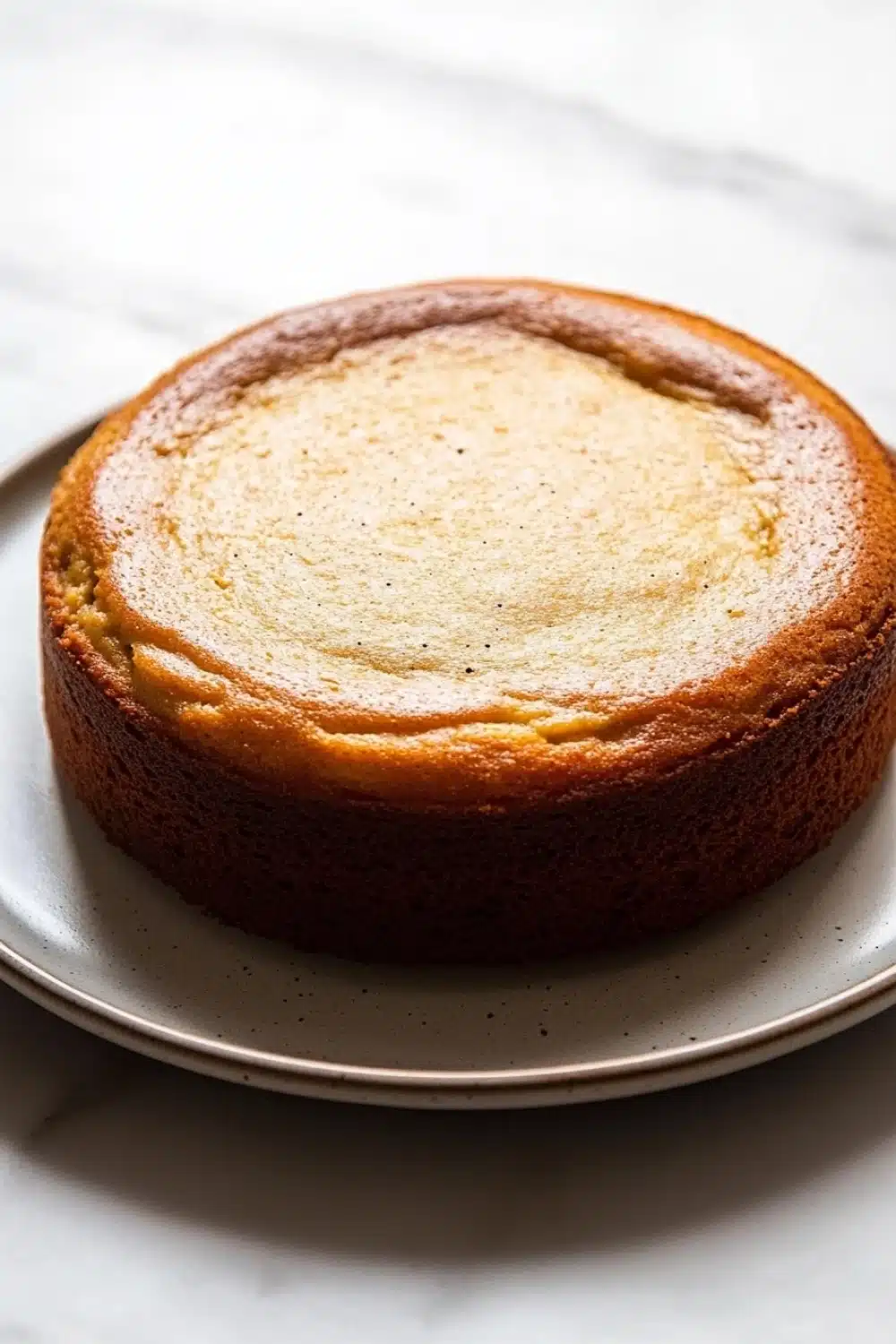
Banana cake—nothing quite hits the spot like it.
I still remember the first time I whipped up this recipe from Allrecipes. The air in my kitchen thickened with the sweet, ripe banana aroma before the oven even warmed up. It was like turning back the clock to my grandma’s kitchen, where the simplest things felt like magic.
Mixing butter and sugar until fluffy, then folding in those perfectly mashed bananas—this cake has that tender crumb that’s the hallmark of a true banana cake aficionado’s secret stash. No fancy frills, just straight-up comfort in every bite.
And here’s the kicker: the balance of buttermilk and baking powder gives it that subtle tang and rise that keeps it from being a soggy mess. Trust me, once you nail this, you’ll be the go-to for any sweet tooth around. Ready to roll up your sleeves? Let’s get baking.
Looking for a tasty twist on banana cake? Check out our Moist Banana Cake Without Buttermilk: Easy, Simple, Delicious recipe for a perfect treat.
Real Life Perks of Baking Classic Banana Cake
- Saves the day when you find those overripe bananas going brown and sad on the counter—no waste, just yum.
- Perfect for an impromptu get-together or a quick fix for your sweet tooth without calling for delivery.
- The simple ingredient list means you probably already have everything in your pantry—no mad dash to the store.
- Hands-off baking: toss it in the oven, and you’re free to prep coffee or clean up. Easy win.
- Keeps well, so you can slice off a piece or two for an afternoon pick-me-up and stash the rest for later—no guilt, just good vibes.
Classic Banana Cake
A moist and flavorful banana cake made with ripe bananas, perfect for dessert or a sweet snack.
- Prep Time: 15 minutes
- Cook Time: 45 minutes
- Total Time: 1 hour
- Yield: 12
Ingredients
2 cups all-purpose flour
1 1/2 teaspoons baking powder
1/2 teaspoon baking soda
1/4 teaspoon salt
1/2 cup unsalted butter, softened
1 cup granulated sugar
2 large eggs
1 teaspoon vanilla extract
1 cup mashed ripe bananas (about 3 medium bananas)
1/2 cup buttermilk
Instructions
Preheat the oven to 350°F (175°C). Grease and flour a 9×13 inch baking pan.
In a medium bowl, whisk together the all-purpose flour, baking powder, baking soda, and salt. Set aside.
In a large bowl, cream the softened unsalted butter and granulated sugar together until light and fluffy, about 3-4 minutes using an electric mixer.
Beat in the eggs one at a time, mixing well after each addition. Stir in the vanilla extract.
Add the mashed ripe bananas to the butter mixture and mix until combined.
Alternately add the dry flour mixture and buttermilk to the banana mixture, beginning and ending with the flour mixture. Mix until just combined; do not overmix.
Pour the batter evenly into the prepared baking pan and smooth the top with a spatula.
Bake in the preheated oven for 40-45 minutes, or until a toothpick inserted into the center comes out clean.
Remove the cake from the oven and allow it to cool in the pan for 10 minutes.
Transfer the cake to a wire rack to cool completely before serving.
Explore more:
Breakfast Recipes
Classic Banana Cake: Tricks and Twists for Perfect Results
The Quick Fix for Overripe Bananas
Banana cake is basically banana’s second act — when those bananas turn black and sad, that’s your cue. Ripe bananas are the lifeblood here. But if yours are slightly underripe or stubbornly firm, zap them in the microwave for 30 seconds. This softens them up and sweetens naturally. No mushy mess, just that rich banana punch you crave. I once forgot to mash my bananas early and had to rescue the batter with this trick — saved the day without a hitch. Pro tip: if your bananas are too watery, strain the mash a bit on paper towels to avoid a soggy crumb.
Why Buttermilk? The Tangy Backbone Explained
Here’s the deal: buttermilk isn’t just a fancy name here. It’s what cuts through the sugar and fat with a mild tang that keeps the cake from tasting flat and heavy. The acid in buttermilk reacts with baking soda, creating those tiny bubbles that lighten the crumb. Without it? You’re looking at a dense, clunky slice that’s more ‘meh’ than magic.
Don’t have buttermilk on hand? No sweat. Mix 1/2 cup milk plus 1/2 tablespoon lemon juice or white vinegar — let it sit five minutes, and boom, you’re good. This little acid kick is the secret handshake that your baking soda needs to do its job right.
Also—resist the temptation to overmix. Get the dry and wet ingredients combined just until no dry streaks are visible. Overwork the batter, and you’ll wake up the gluten monster, turning your cake into a rubbery nightmare.
The Soggy Bottom Cure (No More Cake Blues)
Ever pulled a banana cake out of the oven only to find the bottom soggy, almost wet? It’s a bummer. Usually, this happens because the pan wasn’t prepped right or the cake cooled unevenly.
Here’s what I do:
- Grease the pan thoroughly—don’t be shy here—and dust with a light flour coating or use parchment paper. It’s the golden handshake that keeps the cake from sticking and sogging.
- Don’t skip the cooling step. Letting the cake rest in the pan for 10 minutes helps it set. Then, move it to a wire rack to cool fully so air circulates underneath—no steam traps allowed.
- Avoid baking at too low a temperature; otherwise, the batter seeps out before setting. Stick close to 350°F and use an oven thermometer if you can. Your oven might be a sneaky little variable.
Follow these, and your banana cake won’t just taste good—it’ll look the part with that perfect slice every time.
Classic Banana Cake FAQs
Can I use frozen bananas?
Absolutely yes! Just thaw them completely and drain any excess liquid before mashing. Frozen bananas often pack more punch in flavor, making your cake richer.
What if I don’t have buttermilk?
No sweat. You can fake it by adding 1 tablespoon of lemon juice or white vinegar to 1/2 cup of milk. Let it sit for 5 minutes — boom, makeshift buttermilk ready to roll.
Is overmixing really that bad?
Yes, and here’s the lowdown: overmixing develops the gluten too much, turning your cake into a rubbery brick instead of that soft, moist dream we’re all chasing. Mix just until you see no dry flour patches.
Can I replace butter with oil?
Short answer: yes. But heads-up — butter gives flavor and structure that oil can’t mimic exactly. If you swap, try using a neutral oil and maybe toss in an extra egg yolk for richness.
How do I know when it’s done baking?
Classic toothpick test is the boss here. Stick a toothpick in the center—if it comes out clean or with a few moist crumbs clinging, you’re good to go. Don’t wait for the cake to turn golden brown on top; that’s not always a reliable cue.