
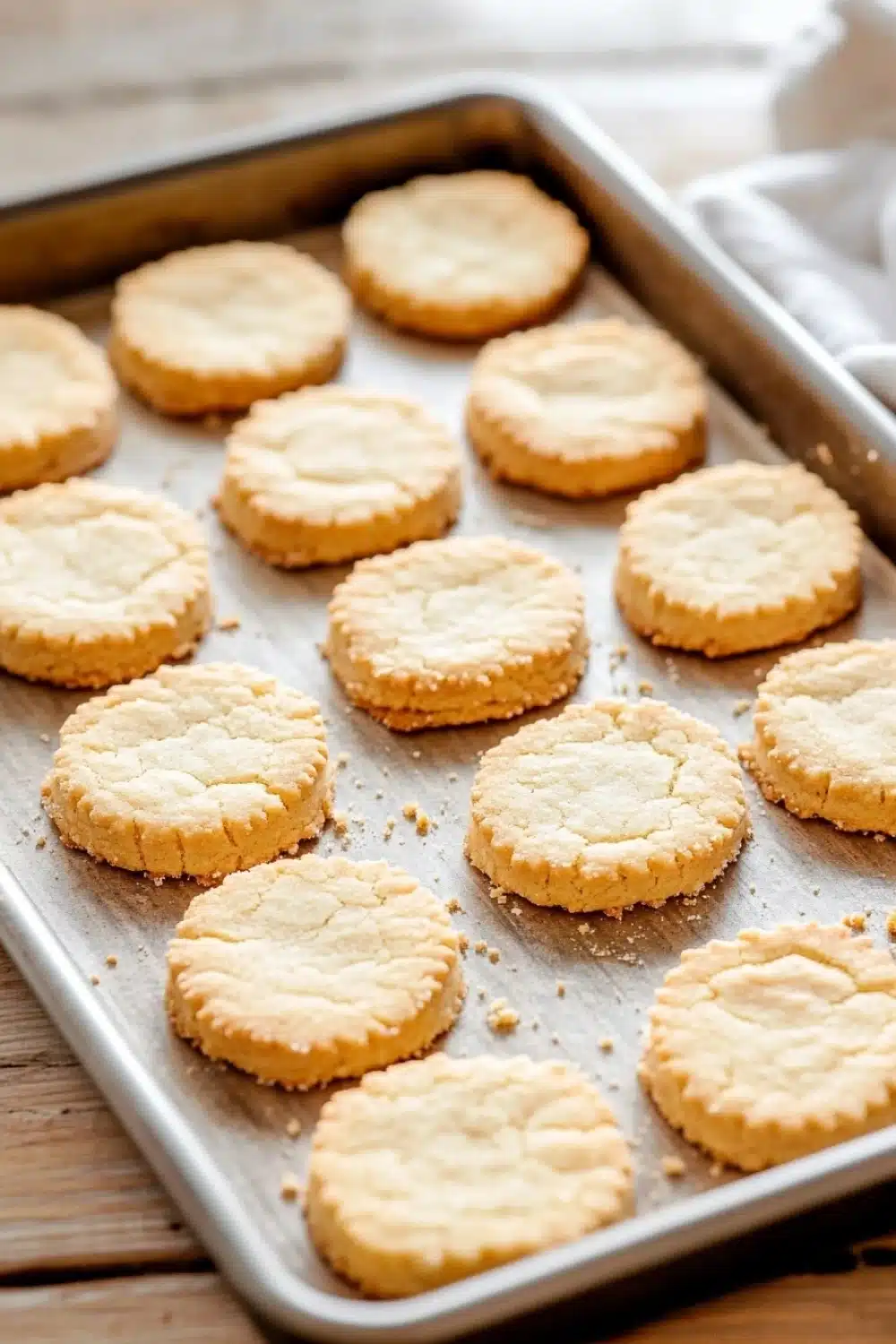
There’s something about the quiet hum of the oven and the scent of butter warming that just sets the scene in my kitchen. This shortbread cookie sheet pan recipe is my go-to when I want to whip up something that’s both simple and satisfying—no fuss, no frills, just straight-up buttery goodness. I remember the first time I tried this method; instead of rolling and cutting, I pressed the dough right into the pan, and boom—perfect squares every time. No cookie cutters, no mess. The magic lies in that delicate crumb and the way the edges turn a subtle golden shade, hinting at a crispness that gives way to melt-in-your-mouth softness. It’s the kind of treat that pairs beautifully with a cup of strong tea or coffee—classic and unpretentious. Plus, pricking the dough with a fork? Old-school hack that stops any puffing nonsense during the bake. Whether you’re gifting these or keeping them all to yourself (no judgment here), this sheet pan shortbread hits the sweet spot between effortless and impressive. If you’re ready to ditch complicated cookie shapes and embrace a straightforward, dependable recipe, stick around. I’m about to walk you through every buttery bite.
If you’re a fan of classic, buttery treats, you’ll love this recipe for Sheet Pan Shortbread Cookies: Easy Slicing, Classic Flavor. It’s a simple way to make perfectly tender cookies with minimal effort—definitely worth trying next time you want a sweet, comforting snack!
Real Life Benefits of Baking This Classic Shortbread Cookie Sheet Pan
- Hands-off simplicity: The easy, one-bowl mixing and sheet pan method means less mess and fewer dishes—perfect for when you want a tasty treat without the kitchen circus.
- Perfect for sharing: Cut into neat squares, these cookies make ideal gifts or party snacks—no fancy plating skills needed to impress your crew.
- Make-ahead magic: Bake in advance and store airtight for up to a week, or freeze for months—ready to pull out whenever a sweet craving hits.
- Customizable base: This buttery, tender shortbread is a blank canvas—feel free to sprinkle on some coarse sugar, sea salt, or a touch of lemon zest before baking to switch up the vibe.
- Stress-free crowd pleaser: With prep and cook times under an hour, you can whip these up on a whim—no sweat, just buttery goodness with minimal fuss.
Classic Shortbread Cookie Sheet Pan
This classic shortbread cookie sheet pan recipe yields buttery, tender cookies with a delicate crumb. Perfectly simple and easy to make, these shortbread cookies are ideal for sharing or gifting during any occasion.
- Prep Time: 15 minutes
- Cook Time: 30 minutes
- Total Time: 45 minutes
- Yield: 24 cookies
Ingredients
Scale
2 cups (240 grams) all-purpose flour
1/2 cup (60 grams) cornstarch
1/4 teaspoon salt
1 cup (226 grams) unsalted butter, softened
3/4 cup (150 grams) granulated sugar
1 teaspoon pure vanilla extract
Instructions
Preheat the oven to 325°F (163°C). Line a 9×13-inch sheet pan with parchment paper, leaving an overhang on the sides for easy removal.
In a medium bowl, whisk together the all-purpose flour, cornstarch, and salt until combined. Set aside.
In a large bowl, beat the softened unsalted butter and granulated sugar together with an electric mixer on medium speed until light and fluffy, about 3 to 4 minutes.
Add the vanilla extract to the butter mixture and mix until combined.
Gradually add the flour mixture to the butter mixture, mixing on low speed until just combined and a soft dough forms. Do not overmix.
Transfer the dough to the prepared sheet pan. Using your hands or an offset spatula, press the dough evenly into the pan, smoothing the surface.
Using a fork, prick the dough all over to prevent puffing during baking.
Bake in the preheated oven for 28 to 30 minutes, or until the edges are lightly golden and the center is set.
Remove from the oven and let the shortbread cool in the pan on a wire rack for 10 minutes.
While still warm, use a sharp knife to cut the shortbread into 24 squares or rectangles.
Allow the shortbread to cool completely in the pan before carefully lifting it out using the parchment paper.
Store the shortbread cookies in an airtight container at room temperature for up to 1 week.
Explore more:
Breakfast Recipes
Classic Shortbread Cookie Sheet Pan: Insider Tips and Fixes
Substitution Secrets
When it comes to shortbread, butter is king—no two ways about it. But say you’re fresh out or looking to tweak the fat content; can you swap in margarine or shortening? Sure, but be warned: margarine usually contains water and salt, which can throw off your dough’s texture and taste. Shortening might keep things tender, but you’ll miss that rich, buttery mouthfeel that makes shortbread sing. I once tried a half-butter, half-shortening mix to cut calories, and while it held up structurally, the flavor fell flat—like a blockbuster with no soundtrack.
Flour-wise, the recipe’s call for all-purpose flour is spot-on, but you could experiment with a mix of all-purpose and cake flour to nudge the crumb even more delicate. Cornstarch acts like a secret weapon here, softening the cookie without weighing it down. Don’t skip it, or you might end up with something closer to a sugar cookie than classic shortbread.
The Science
Shortbread’s magic lies in simple chemistry. Butter coats flour proteins, inhibiting gluten formation—which is great because you want tender, not tough. The cornstarch dilutes the protein content further, creating a crumb that practically melts on your tongue. Sugar’s role? It’s not just for sweetness; it tenderizes by attracting moisture and slowing gluten development. The whole process is a tightrope walk—mix too long, and you risk gluten overdevelopment, leading to a cakey or chewy texture instead of that crumbly snap.
Pricking the dough with a fork before baking is more than old-school ritual. It vents steam, preventing unwanted puffing and keeping the cookie flat and even. Temperature control is key here—325°F is low and slow, letting the butter melt gently and the cookies bake evenly without browning too fast. Patience, my friend.
Real-world Fix
Ever had your shortbread turn out dry or crumbly beyond reason? Chances are you overbaked or your butter was too cold. I’ve witnessed bakers crank the oven up ‘to get it done faster,’ then curse the crumbly mess. Resist the urge; slow is the way. Also, if your dough looks crumbly before baking, a quick splash of cold milk (literally a teaspoon) can help bring it together without tipping into wet territory.
And here’s a pro tip: let the shortbread cool completely before lifting from the pan. Trying to pry warm shortbread apart is like trying to disarm a bomb—tempers flare and cracks appear. Use the parchment overhang to your advantage; it’s your lifeline. Lastly, storing in an airtight container keeps moisture at bay, but if you live in a humid climate, toss in a piece of parchment or a desiccant pack to keep things crisp.
FAQs About Classic Shortbread Cookie Sheet Pan
How do I make sure my shortbread is perfectly tender and not crumbly?
The key is to soften your butter just right and avoid overmixing once you add the flour. I learned this the hard way—too much mixing makes the dough tough. Keep it gentle and the shortbread will melt in your mouth.
Can I use salted butter instead of unsalted butter?
Sure, but skip or reduce the salt in the recipe. Salted butter can throw off the balance, making your shortbread a tad salty. Better safe than sorry—unsalted keeps the sweetness on point.
Why do we prick the dough with a fork before baking?
That little trick stops the dough from puffing up like a balloon in the oven. It’s like giving the heat an escape hatch—keeps your shortbread flat and neat, just how it should be.
Can I add flavors or mix-ins to this classic recipe?
Absolutely! Zest from a lemon or orange, a sprinkle of cinnamon, or even chopped nuts can jazz things up. Just keep it light—shortbread’s charm is its buttery simplicity.
How should I store the shortbread to keep it fresh longer?
Store in an airtight container at room temp for up to a week. For longer stashes, freeze them up to 3 months. Just thaw at room temp when you’re ready to munch.