
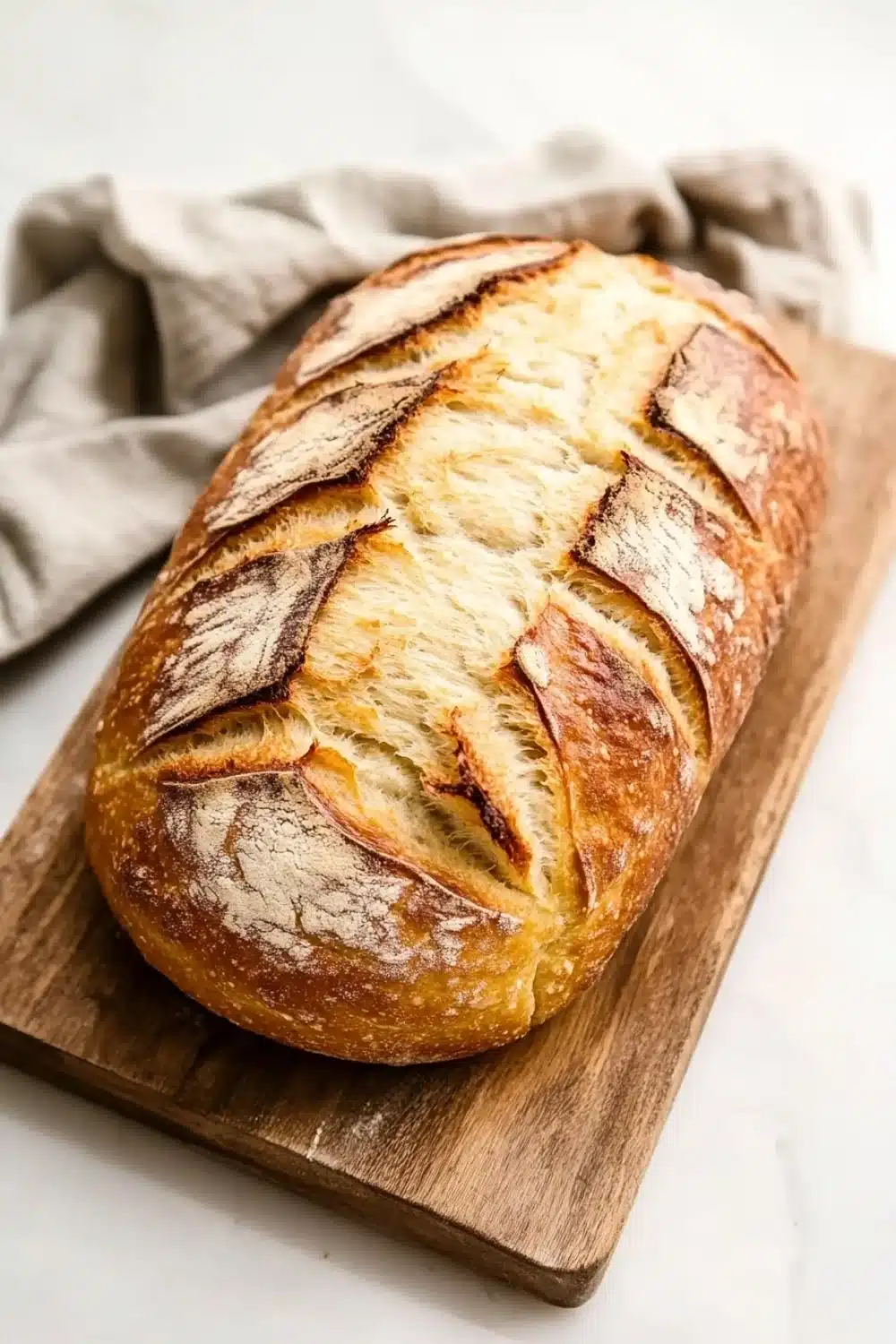
Time to toss the carbs.
There’s something wildly satisfying about pulling a fresh loaf of bread from the oven—the crust crackling, the aroma swirling—yet traditional wheat just doesn’t vibe with low-carb living. I’ve been on the hunt for a bread that doesn’t crumble under pressure, one that actually holds up to your favorite sandwich fillings without turning into a sad mess. Enter this low carb yeast sandwich bread, crafted from almond and coconut flours, with a punch of psyllium husk to keep it together.
This bread rises like a champ, thanks to a lively yeast starter bubbling away in warm water sweetened with erythritol, a sweetener that plays nice with the low-carb rules. Watching the dough puff up under a kitchen towel is like seeing a little science experiment unfold—except the prize is a loaf that’s soft, fluffy, and ready to soak up everything from avocado smash to turkey slices.
Forget dry, crumbly attempts past. This bread is the real deal—perfect for low-carb lifers who crave that classic sandwich experience without the carb hit.
Looking for a delicious start to your day? Check out our Hearty Breakfast Sandwich on Sourdough Bread in 20 Minutes for a tasty and satisfying meal.
Real Life Wins from Baking Low Carb Yeast Sandwich Bread
- Kick that carb crash to the curb—perfect for anyone on keto or watching blood sugar spikes.
- No wheat, no gluten freakouts. I’ve seen nervous newbies turn into confident bread-bakers with this almond-coconut combo.
- Soft, fluffy texture that actually holds up for sandwiches—goodbye crumbly mess, hello stackable layers of yum.
- Prep ahead and stash it in the freezer; grab a slice anytime you need a quick, guilt-free snack.
- Turns out, psyllium husk isn’t just a funny word—it locks in moisture and creates that classic chew you crave.
Low Carb Yeast Sandwich Bread
A soft, fluffy, and low carb yeast sandwich bread perfect for sandwiches and toast, made without traditional wheat flour. This bread uses almond flour and coconut flour to keep it low in carbs while still delivering a classic bread texture.
- Prep Time: 15 minutes
- Cook Time: 45 minutes
- Total Time: 1 hour
- Yield: 12 slices
Ingredients
2 1/2 cups almond flour
1/4 cup coconut flour
1 tablespoon psyllium husk powder
1 teaspoon salt
1 tablespoon granulated erythritol
1 tablespoon active dry yeast
1 cup warm water (110°F/43°C)
4 large eggs
2 tablespoons olive oil
1 teaspoon apple cider vinegar
Instructions
In a small bowl, combine the warm water and granulated erythritol. Sprinkle the active dry yeast over the water and let it sit for 5 to 10 minutes until foamy.
In a large mixing bowl, whisk together the almond flour, coconut flour, psyllium husk powder, and salt until well combined.
In a separate bowl, beat the eggs, then add the olive oil and apple cider vinegar. Mix well.
Add the foamy yeast mixture and the egg mixture to the dry ingredients. Stir thoroughly with a spatula until a thick dough forms. The dough will be sticky and slightly wet.
Grease a 9×5 inch loaf pan with olive oil or line it with parchment paper.
Transfer the dough into the prepared loaf pan and smooth the top with a wet spatula or your hands.
Cover the loaf pan loosely with a clean kitchen towel and let the dough rise in a warm place for about 45 minutes, or until it has risen noticeably but not quite doubled.
Preheat the oven to 350°F (175°C).
Bake the bread in the preheated oven for 40 to 45 minutes, or until the top is golden brown and a toothpick inserted in the center comes out clean.
Remove the bread from the oven and let it cool in the pan for 10 minutes.
Transfer the bread to a wire rack and allow it to cool completely before slicing to prevent crumbling.
Explore more:
Lunch Recipes
Mastering Low Carb Yeast Sandwich Bread: Tricks, Tweaks, and Troubleshooting
The Psyllium Husk Hack: Why It Makes or Breaks Your Loaf
Let’s be real—low carb bread without gluten is a beast. It’s like trying to lasso a cloud. Enter psyllium husk powder, the unsung hero in this recipe. Why? Because it’s the glue that mimics gluten’s stretch and hold. Without it, you’re basically baking almond and coconut flour mush that crumbles faster than a sandcastle at high tide. Psyllium soaks up moisture and forms a gel-like network, trapping air bubbles from the yeast. This means you get that coveted soft, fluffy texture instead of a dense brick. If you skimp on psyllium or forget it, your bread won’t rise properly—trust me, I learned that the hard way on my first go-around.
Swapping Flours—What Works, What’s a No-Go
Almond and coconut flours are the MVPs here. Almond flour brings fat and moisture; coconut flour brings structure but is thirsty as a desert. Here’s a quick rundown:
- Almond Flour: Essential for softness and that subtle nutty flavor. Skip it, and you’re in for a dry loaf.
- Coconut Flour: Helps absorb moisture and adds structure but too much and your bread turns crumbly and dry.
- Other Nut Flours (hazelnut, pecan): Could work but expect flavor shifts and textural quirks.
- Flax or Chia Meal: Good emergency substitutes for psyllium, but the texture changes—denser, chewier crumb.
Pro tip: Don’t try to replace almond flour with oat or wheat flour unless you’re ready to throw keto out the window.
When Your Bread Won’t Rise—Common Culprits and Fixes
Yeast is a diva. She needs warmth, food, and time to bloom. If your bread flops flat, consider these suspects:
- Water too hot or too cold: Over 120°F kills yeast, under 95°F won’t activate it well. Stick to that 110°F sweet spot.
- Expired yeast: Check the date. Old yeast is a no-show.
- Not enough sugar: Yeast loves a little sugar snack (here, erythritol does the trick).
- Rising spot too cold: Find a warm corner, near the oven or on top of the fridge works wonders.
And hey, patience is key. If the dough hasn’t roughly doubled in size, give it an extra 15–20 minutes. No rush—you’re building flavor and texture, not just bread.
Low Carb Yeast Sandwich Bread FAQs
Is this bread really low carb?
Yes! Using almond and coconut flours keeps the carb count way down compared to traditional wheat bread. Plus, psyllium husk adds fiber without raising carbs.
Can I skip the yeast and use baking powder instead?
Not really. Yeast not only helps the bread rise but also gives that classic bread flavor and texture. Baking powder will give you a different crumb and won’t develop the same fluffiness.
Why does the dough stay sticky?
That’s totally normal. Unlike wheat dough, gluten-free dough with almond and coconut flour doesn’t firm up the same way. The wet, sticky texture is part of the game here—don’t fight it, embrace it.
How do I store leftover bread?
Keep it airtight on the counter for a couple of days max. For longer haul, wrap it up tight and freeze. When you’re ready, thaw at room temp and it’s good as gold.
Can I use this bread for sandwiches?
Absolutely! This loaf is soft and sturdy enough for everything from BLTs to avocado toasts. Just slice it thick so it holds up to the fixins.