
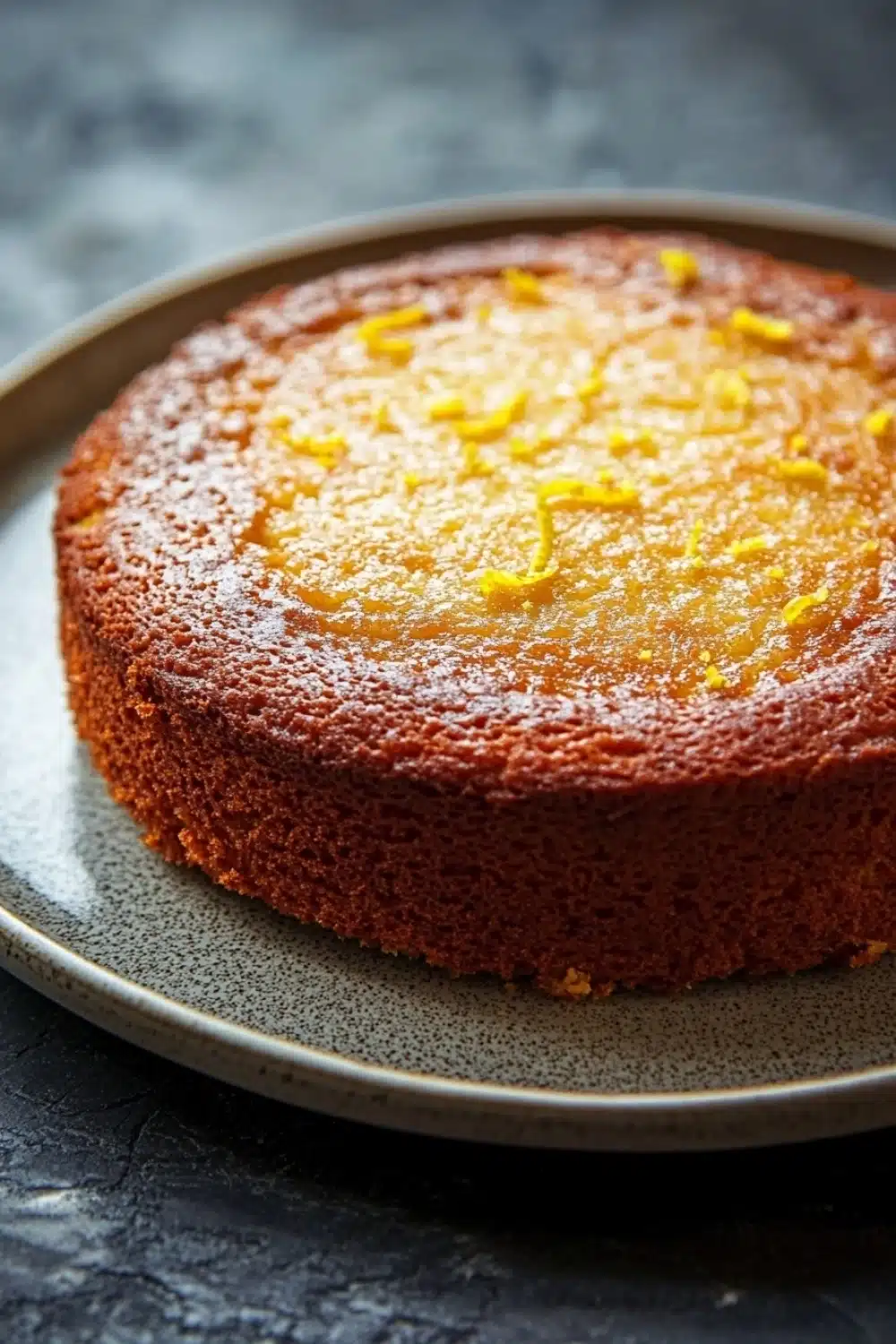
Sunshine in a slice.
There’s something about lemon cake that pulls me back to my grandmother’s kitchen—where the air was thick with zest and laughter, and every slice promised a little sunshine. This isn’t your sugar-loaded, syrupy lemon cake that leaves you feeling like you’ve just wrestled a bee hive. Nope. This one is all about balance—tart citrus dancing with just a whisper of sweetness.
Making a low sugar lemon cake means embracing subtlety in flavor and texture. I swapped typical sugar for erythritol and a touch of honey, which keeps that moist crumb intact without tipping the scales toward sickly sweet. The addition of Greek yogurt and unsweetened applesauce? That’s the unsung hero duo keeping the cake tender and moist, like a soft cloud with a lemony punch.
Let’s ditch the sugar crash and bake smarter. Ready to give your taste buds a zesty lift without the guilt? This is the cake you want on your counter, fork in hand, fork ready to dig in—no second thoughts.
If you enjoy baking, you might also like our Classic Banana Cake Recipe: Moist, Flavorful & Easy to Bake for a delicious twist on traditional cakes.
Why This Low Sugar Lemon Cake Works Wonders in Real Life
- Perfect for those watching their sugar intake but craving something tangy and fresh—no sugar crash here.
- Uses applesauce as a sneaky swap to keep moisture high and fat low—your cake won’t turn out dry, promise.
- Greek yogurt adds a creamy tang and keeps things light; it’s like a backstage pass to moistness.
- Quick 55-minute prep-to-plate time means you can whip this up after work without breaking a sweat.
- It’s a crowd-pleaser that doesn’t scream “health food”—your friends won’t suspect it’s low sugar at all.
Low Sugar Lemon Cake

A moist and flavorful low sugar lemon cake that balances tangy citrus with subtle sweetness, perfect for a light dessert or afternoon treat.
- Prep Time: 15 minutes
- Cook Time: 40 minutes
- Total Time: 55 minutes
- Yield: 8
Ingredients
1 1/2 cups all-purpose flour
1 teaspoon baking powder
1/4 teaspoon baking soda
1/4 teaspoon salt
1/2 cup unsweetened applesauce
1/3 cup granulated erythritol
1/4 cup honey
2 large eggs
1/2 cup plain Greek yogurt
1/4 cup fresh lemon juice
1 tablespoon lemon zest
1 teaspoon pure vanilla extract
Instructions
Preheat the oven to 350°F (175°C). Grease and flour an 8-inch round cake pan or line it with parchment paper.
In a medium bowl, whisk together the all-purpose flour, baking powder, baking soda, and salt until well combined.
In a large bowl, mix the unsweetened applesauce, granulated erythritol, and honey until smooth.
Add the eggs one at a time to the wet mixture, beating well after each addition.
Stir in the Greek yogurt, fresh lemon juice, lemon zest, and vanilla extract until fully incorporated.
Gradually add the dry ingredients to the wet ingredients, folding gently until just combined. Do not overmix.
Pour the batter into the prepared cake pan and smooth the top with a spatula.
Bake for 38 to 42 minutes, or until a toothpick inserted into the center comes out clean.
Remove the cake from the oven and allow it to cool in the pan for 10 minutes.
Transfer the cake to a wire rack to cool completely before serving.
Explore more:
Breakfast Recipes
Low Sugar Lemon Cake: Tricks & Tweaks for a Tangy Treat
The Lowdown on Sweet Swaps: Applesauce & Erythritol in Play
This cake’s sugar game isn’t your grandma’s sugar game—no sir. We’re leaning on unsweetened applesauce and erythritol to keep things moist and mildly sweet without tipping the sugar scales. Applesauce? It’s liquid gold for moisture, replacing oil or butter without greasing the wheels of guilt. Erythritol’s a sugar alcohol that tastes close to sugar but with hardly any calories and zero blood sugar spikes—perfect if you’re watching that glycemic rollercoaster. Honey still makes a cameo, adding a tender kiss of natural sweetness and a slight floral note that complements lemon’s sharp punch. If you’re itching to switch it up, swap erythritol for monk fruit sweetener or stevia blends but beware the aftertaste—some folks call it the “greenhorn” of sweeteners, so test in small batches first. Applesauce can be swapped with mashed banana, but that’ll nudge the flavor towards breakfast territory, so watch the ratios and lemon balance. Trust me—these swaps can make or break the zing you’re chasing.
Why Folding, Not Mixing—Your Cake’s Secret Weapon
Here’s where the rubber meets the road—or rather, where your cake rises or falls flat. Overmixing is the arch-nemesis of tender crumb, especially in low-sugar cakes that rely on gentle structure. The recipe’s clear about folding the dry ingredients into the wet—this isn’t just kitchen mumbo jumbo. Folding is a soft, deliberate action that preserves air pockets trapped by eggs and yogurt, lending the crumb a light bounce instead of a dense thud. Picture this: vigorous mixing is like a mosh pit, wrecking all the delicate gluten strands and deflating your batter’s mood. Folding, on the other hand, is more like a slow dance—careful, deliberate, respectful. If you’re tempted to speed it up, resist. Your cake’s texture depends on this ritual. Pro tip: use a silicone spatula and scrape the bowl’s sides, turning the batter over itself gently until just combined. The moment you see no flour streaks, stop. Anything more, and you’re in the danger zone.
When Lemon Cake Goes Sideways: Fixing the Usual Suspects
Baking can be a beast—sometimes your cake turns out like a brick or worse, a sad, sunken blob. Been there, burned that. Here’s the quick fix rundown:
- Dense or Heavy Cake? Check your leavening agents—baking powder and soda must be fresh. Old powder is like flat soda—no fizz to raise your batter. Use a spoon test: drop some powder in warm water; if it bubbles, you’re golden.
- Too Dry? Low sugar cakes can dry out fast because sugar holds moisture. Don’t skip the applesauce or yogurt—they’re the moisture MVPs here. Also, watch bake time closely—oven temps vary. When in doubt, pull out that toothpick a tad early.
- Sunken Center? Could be oven temp swings or opening the oven door mid-bake. Keep that door shut like it’s a secret speakeasy. Let the cake set up before tempting fate.
Each flop is a lesson. I remember a first attempt where I slapped in extra lemon juice thinking more tang equals more wow. Ended up with a gummy disaster. Now I respect the balance—lemon juice for flavor, applesauce and honey for tender love and care. It’s a fine dance, but get it right, and the cake sings.
Low Sugar Lemon Cake FAQ
- Is this cake really low sugar?
- Yes! We swapped traditional sugar for erythritol and just a touch of honey to keep things sweet but snug on the sugar front.
- Can I use regular sugar instead?
- Technically, sure—but it’ll crank up the sugar load. Plus, the texture and tang might shift a bit, so I’d recommend sticking with the original mix for that perfect zing.
- What if I don’t have Greek yogurt?
- No Greek yogurt? No sweat. You can swap in sour cream or even full-fat plain yogurt. Just remember, the tanginess is key here—it’s what keeps the cake from going bland.
- How do I know when the cake is done?
- Grab a toothpick and poke it into the center. If it comes out clean or with a crumb or two sticking, you’re golden. If it’s wet batter, back in the oven it goes.
- Can I make this cake dairy-free?
- Not without tweaking. Greek yogurt is a cornerstone for moisture and tang. Try coconut yogurt or another thick plant-based alternative, but results might vary.