
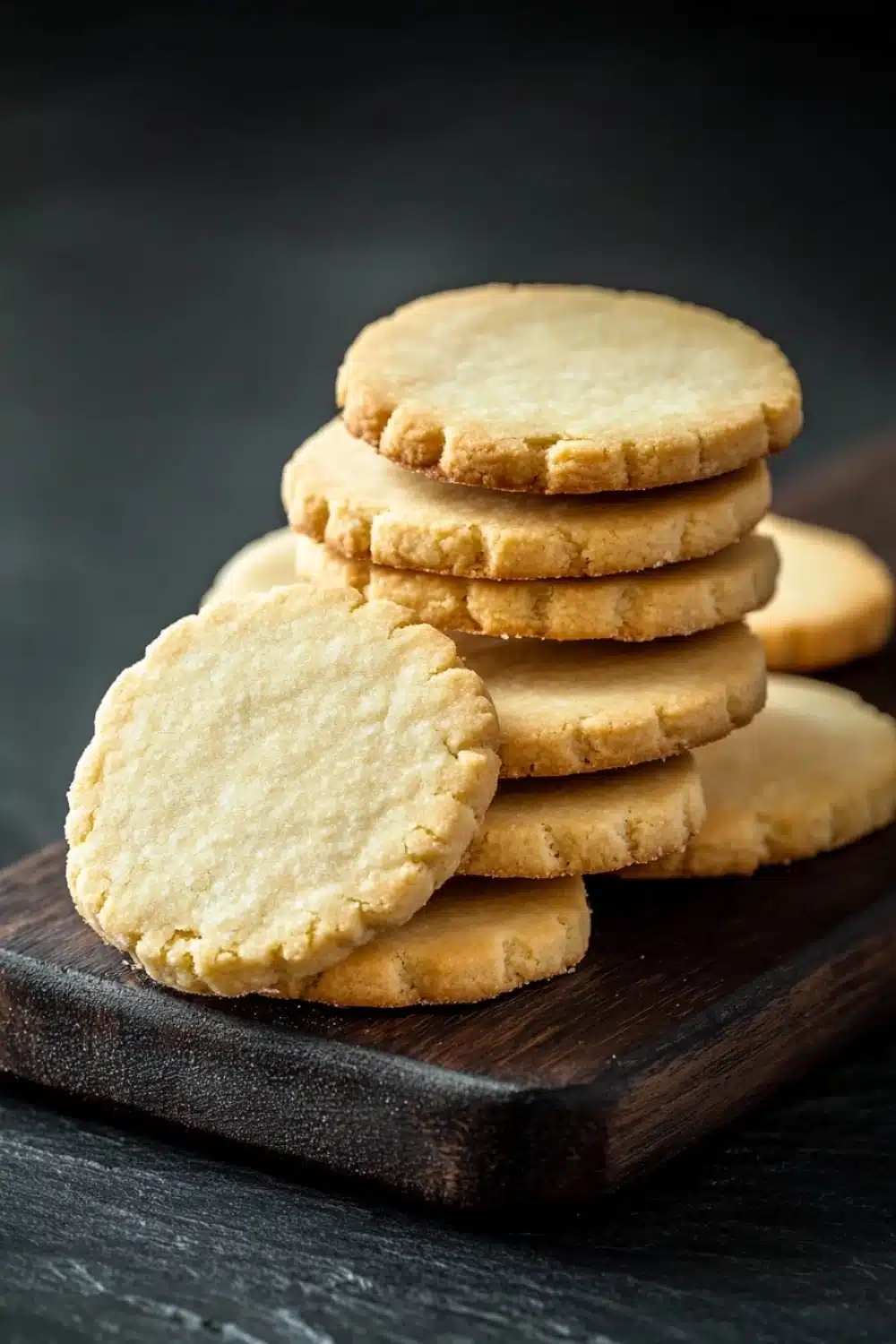
Craving simplicity?
There’s something undeniably charming about the humble shortbread cookie — buttery, crumbly, and kissed with vanilla. I remember the first time I rolled out that dough, the kitchen smelling faintly of butter and sugar; it took me back to my grandma’s cozy kitchen where patience was a virtue and every crumb was worth savoring.
Drawing these cookies isn’t just about shapes; it’s capturing the essence. The way the fork pricks leave those signature dimples, or how the pale golden edges hint at a perfect bake — each detail brings the baked good to life on paper, almost tempting you to take a bite right off the page.
Get ready to dive fork-first into the art of shortbread cookie illustration—because sometimes, you eat with your eyes first.
If you’re a fan of baking art, check out our shortbread cookie illustration for some classic, butter-rich shapes to draw and enjoy.
Why Classic Shortbread Cookies Are a Kitchen Winner
- Simple ingredients—no fancy pantry needed. If you have butter, sugar, flour, and vanilla, you’re good to go.
- The crisp-but-tender texture hits that sweet spot between crunchy and melt-in-your-mouth.
- Perfect for dunking in tea or coffee; they soak just enough without turning to mush.
- Make ’em ahead—these cookies keep well in an airtight container, so you’re never scrambling last minute for a snack.
- Easy cookie cutter shapes let you add your own twist, from festive stars at Christmas to hearts on Valentine’s Day.
Classic Shortbread Cookies
Deliciously buttery and crisp classic shortbread cookies made with just a few simple ingredients. Perfect for tea time or gifting during the holidays.
- Prep Time: 15 minutes
- Cook Time: 25 minutes
- Total Time: 40 minutes
- Yield: 24 cookies
Ingredients
1 cup unsalted butter, softened
1/2 cup granulated sugar
2 cups all-purpose flour
1/4 teaspoon salt
1 teaspoon vanilla extract
Instructions
Preheat the oven to 325°F (163°C). Line a baking sheet with parchment paper.
In a large bowl, cream the softened unsalted butter and granulated sugar together until light and fluffy using an electric mixer or by hand.
Add the vanilla extract and mix until combined.
Gradually add the all-purpose flour and salt to the butter mixture, mixing gently until the dough just comes together. Do not overmix.
Turn the dough out onto a lightly floured surface and knead gently to form a smooth ball.
Roll the dough out to about 1/4 inch thickness.
Use a cookie cutter to cut out desired shapes and place them evenly spaced on the prepared baking sheet.
Prick each cookie a few times with a fork to prevent puffing during baking.
Bake in the preheated oven for 20 to 25 minutes, or until the edges are lightly golden.
Remove from the oven and let the cookies cool on the baking sheet for 5 minutes before transferring them to a wire rack to cool completely.
Explore more:
Breakfast Recipes
Mastering Classic Shortbread Cookies
The Secret to That Golden Crust—Why Low and Slow Wins
Shortbread isn’t the kind of cookie that’s rushed. That low-and-slow bake at 325°F is the unsung hero here. It lets the butter slowly melt into the flour, giving you that tender crumb with just the right amount of snap. Too hot, and you risk burning the edges before the center’s done—a rookie move I learned the hard way one holiday season. Those burnt edges? They scream “kitchen noob.” So set your oven, walk away, and trust the process. Let the edges turn a whisper of gold, not a shout of brown.
Ingredient Swaps—Butter’s Not Your Only Buddy
Think you can’t mess with the butter? Think again. Unsalted butter is the OG for a reason—the pure, creamy fat that carries the flavor without any salty surprises. But if you’re reaching for something different, here’s the low-down: swap 50% of the butter for browned butter and suddenly you’re riding a nutty rollercoaster. Or hit it with a dab of coconut oil for that subtle tropical twist—just remember, it’ll change the texture, making it less crisp and a touch more tender. And sugar? Granulated is classic, but try superfine if you want a smoother mix with a finer mouthfeel. Just don’t go dunking in brown sugar—it messes with the dryness that’s key to shortbread’s signature snap.
When Your Shortbread Falls Flat—Quick Fixes That Save the Day
Ever pulled your cookies out and thought, “These are more biscuits than shortbread”? Happens to the best of us. The culprit’s usually overmixing or dough that’s too warm. Overworking the dough develops gluten—your nemesis here—turning what should be tender flakes into tough chew. Here’s the fix: Chill the dough for 30 minutes before rolling; this calms the butter and tightens the gluten strands. Also, avoid heavy hands—gently fold in the flour, then treat the dough like a delicate guest. And if puffing is your problem, those fork pricks are your best mate—don’t skip them. They let steam escape, keeping your cookie flat and crisp, not a puffy balloon.
Classic Shortbread Cookies FAQ
Got a minute? Let’s clear up those burning questions:
Yes, but tweak your salt addition accordingly. Salted butter can throw off the balance, so reduce or skip the added salt in the recipe to keep these buttery bites from turning into salty surprises.
Easy fix: don’t overmix. When you add flour, fold gently until the dough *just* comes together. Overworking it will toughen the dough, and that’s a no-go for melt-in-your-mouth shortbread. Trust me—patience is your secret weapon here.
Definitely. Shortbread is a dream for prepping in advance. Bake them, cool completely, then store airtight at room temp for up to a week or freeze for months. I like freezing half the batch—it’s a lifesaver when unexpected guests pop in.
That little fork pricking? It’s not just for looks. It stops the dough from puffing up unevenly and keeps that signature flat, crisp texture intact. No one wants lumpy shortbread.
Sure thing. Almond or lemon extract can add a twist, but keep it light—a teaspoon is all you need. Don’t go overboard; you want the butter to shine through, not get lost in a flavor bomb.