
Messy kitchen? No thanks.
We’ve all been there — staring down a pile of dishes after a night of cooking that went sideways. But what if your pasta dinner didn’t demand a cleanup marathon? Enter the one pot pasta with jar sauce. This isn’t your grandma’s Sunday sauce simmering for hours; it’s a slick, no-nonsense shortcut that gets dinner on the table fast without sacrificing flavor.
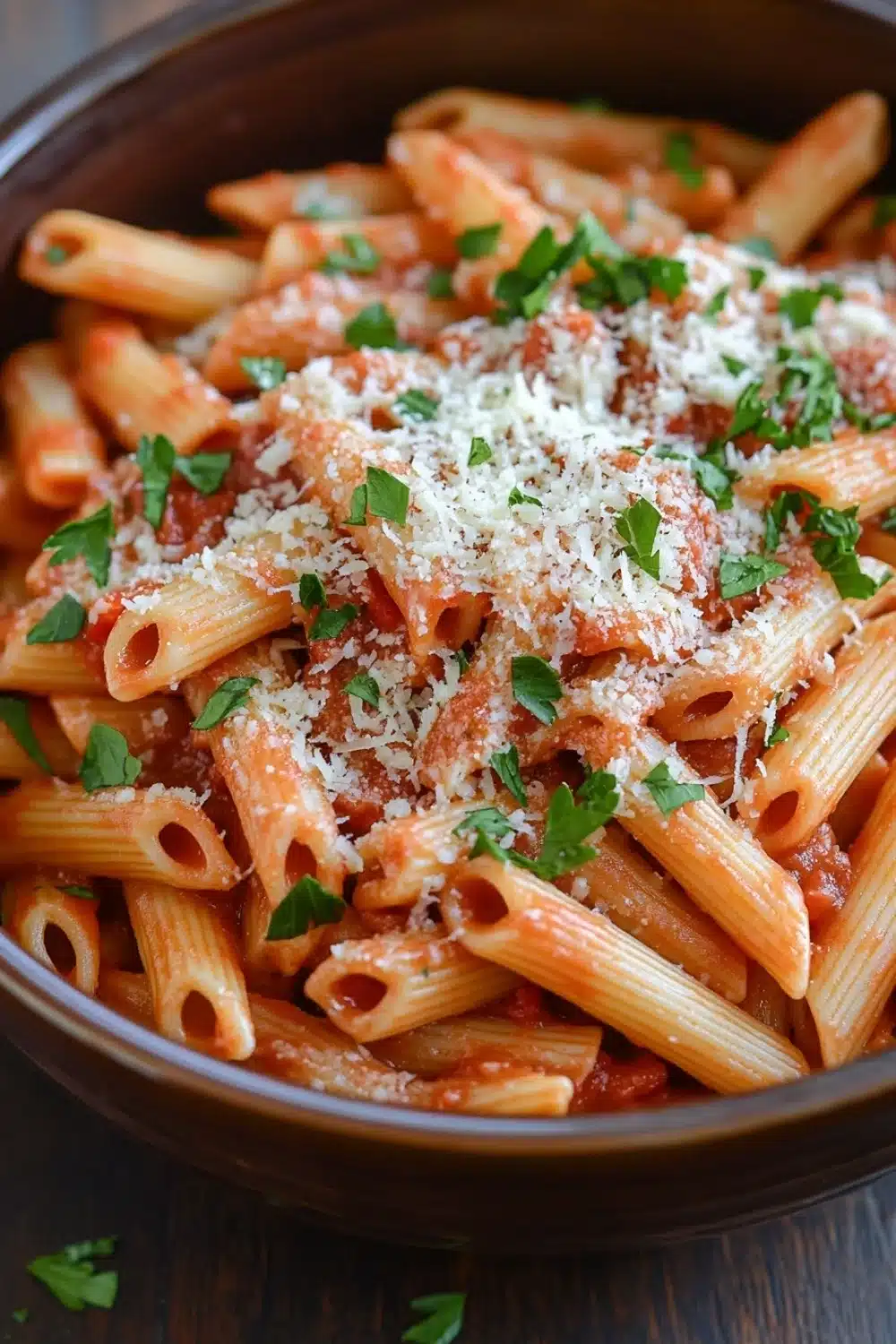
Here’s the kicker: toss dry pasta, your go-to jarred marinara, and a handful of pantry staples into one pot, add water, and let the magic happen. I remember one frantic Tuesday when I whipped this up halfway through a deadline crunch — barely 20 minutes later, I had a steaming bowl of cheesy, herb-kissed pasta goodness. No fuss, no multiple pots, just straight-up comfort food that hits the spot.
It’s kitchen ninja-level efficiency paired with real taste. Plus, you avoid the “pasta sticking to pot” kerfuffle by stirring now and then. So grab your skillet, your favorite jar sauce, and let’s get this simple, satisfying dinner rolling.
For a hassle-free meal, try our one pot pasta jar sauce recipe that’s perfect for busy nights.
Real Life Wins with One Pot Pasta
- Less mess on the countertop means more time to chill after the grind.
- Ready in 20 minutes flat—because who’s got time for complicated dinners on a weekday?
- Uses pantry staples and that trusty jar of marinara—no surprise runs to the store.
- One pot does it all—cooking, simmering, and sauce soaking into the pasta for bold flavor with zero fuss.
- Leftovers? Easy peasy to reheat without drying out—just a splash of water and a quick warm-up.
One Pot Pasta with Jar Sauce

A quick and easy one pot pasta recipe using your favorite jarred pasta sauce. Perfect for a simple weeknight dinner with minimal cleanup.
- Prep Time: 5 minutes
- Cook Time: 15 minutes
- Total Time: 20 minutes
- Yield: 4
Ingredients
12 ounces dry pasta (such as penne or rotini)
24 ounces jarred marinara pasta sauce
3 1/2 cups water
1 tablespoon olive oil
1 teaspoon garlic powder
1/2 teaspoon dried oregano
1/2 teaspoon dried basil
1/2 teaspoon salt
1/4 teaspoon black pepper
1/4 cup grated Parmesan cheese
2 tablespoons chopped fresh parsley
Instructions
In a large deep skillet or pot, combine the dry pasta, jarred marinara sauce, water, olive oil, garlic powder, dried oregano, dried basil, salt, and black pepper.
Stir well to combine all ingredients evenly.
Place the pot over medium-high heat and bring the mixture to a boil, stirring occasionally to prevent pasta from sticking.
Once boiling, reduce heat to medium-low and simmer uncovered, stirring frequently, until the pasta is cooked al dente and most of the liquid has been absorbed, about 12 to 15 minutes.
Remove the pot from heat and stir in the grated Parmesan cheese until melted and well combined.
Sprinkle chopped fresh parsley over the pasta before serving.
Explore more:
Dinner Recipes
Mastering One Pot Pasta with Jar Sauce
The Ingredient Hacks That Save the Day
Look, cooking with jarred pasta sauce isn’t just about convenience—it’s about knowing how to tweak it to avoid that flat, one-note vibe. Instead of grabbing just any pasta shape, I swear by penne or rotini. Their grooves and tubes catch sauce like a champ. When I’m in a pinch, substituting dried herbs for fresh isn’t a cheat—it’s smart. But here’s the kicker: a teaspoon of garlic powder and a splash of olive oil don’t just add flavor; they cut through the sometimes overly sweet profile of jarred sauce. And hey, if you’re feeling wild, toss in a pinch of red pepper flakes for heat that wakes up your taste buds without stealing the show.
Why Stirring—Like, A Lot—Is Your Best Friend
This one pot pasta thing is a delicate dance. You throw everything into the pot, and then the waiting game begins—but don’t just leave it and wander off. Stirring is more than a chore; it’s the secret sauce to preventing the dreaded pasta clump-and-stick situation. Stirring frequently distributes heat and sauce evenly, breaking up any pasta that’s trying to gang up on the bottom of the pot. I’ve seen folks try to skip this step, and the result? A soggy, gluey mess nobody wants to wrestle.
Also, once the water hits a boil, turning down to medium-low is crucial. Too high, and you risk burning the bottom while the top remains uncooked. Too low, and you’ll be waiting forever. It’s a Goldilocks zone—just right.
Oops! Common Fails and How to Salvage Your Pasta
Burnt bottom? Rescue is possible: immediately slide the cooked pasta into a fresh pot (don’t scrape the burnt bits—leave them behind like old baggage). Add a couple of tablespoons of water or broth, cover, and let it steam for a couple minutes on low. This can soften any stubborn bits and revive your sauce’s moisture.
Overcooked, mushy pasta? I know that bummed-out feeling. Next time, pull pasta off the heat a minute or two before it hits mush-town. For now—try stirring in a spoonful of ricotta or a knob of butter. It adds richness and distracts from the texture trainwreck.
Finally, if your sauce tastes flat, never underestimate the power of acid—squeeze in some lemon juice or a dash of vinegar. That acid pop wakes up the flavors, making everything sing again.
FAQs About One Pot Pasta with Jar Sauce
- Can I use any pasta shape?
- Absolutely. Penne, rotini, or even fusilli work great here—just keep the cooking time in check since thicker shapes might need a minute more.
- Is fresh garlic better than garlic powder?
- Yes and no. Garlic powder blends in effortlessly and keeps things fuss-free, especially on busy nights. Fresh garlic adds punch but can throw off the simple ‘set-and-forget’ vibe of this dish.
- Do I have to add water?
- Yes, the water is key. It hydrates the pasta and helps the sauce loosen up so everything cooks evenly without sticking to the pot.
- Can I make this vegan?
- For sure! Swap out Parmesan for a vegan alternative or nutritional yeast, and make sure your jarred sauce has no dairy or meat products.
- Will leftovers hold up well?
- They do, but be warned—the pasta will soak up more sauce over time and get softer. Reheat gently with a splash of water to keep it from turning into mush.