
Let’s get cooking.
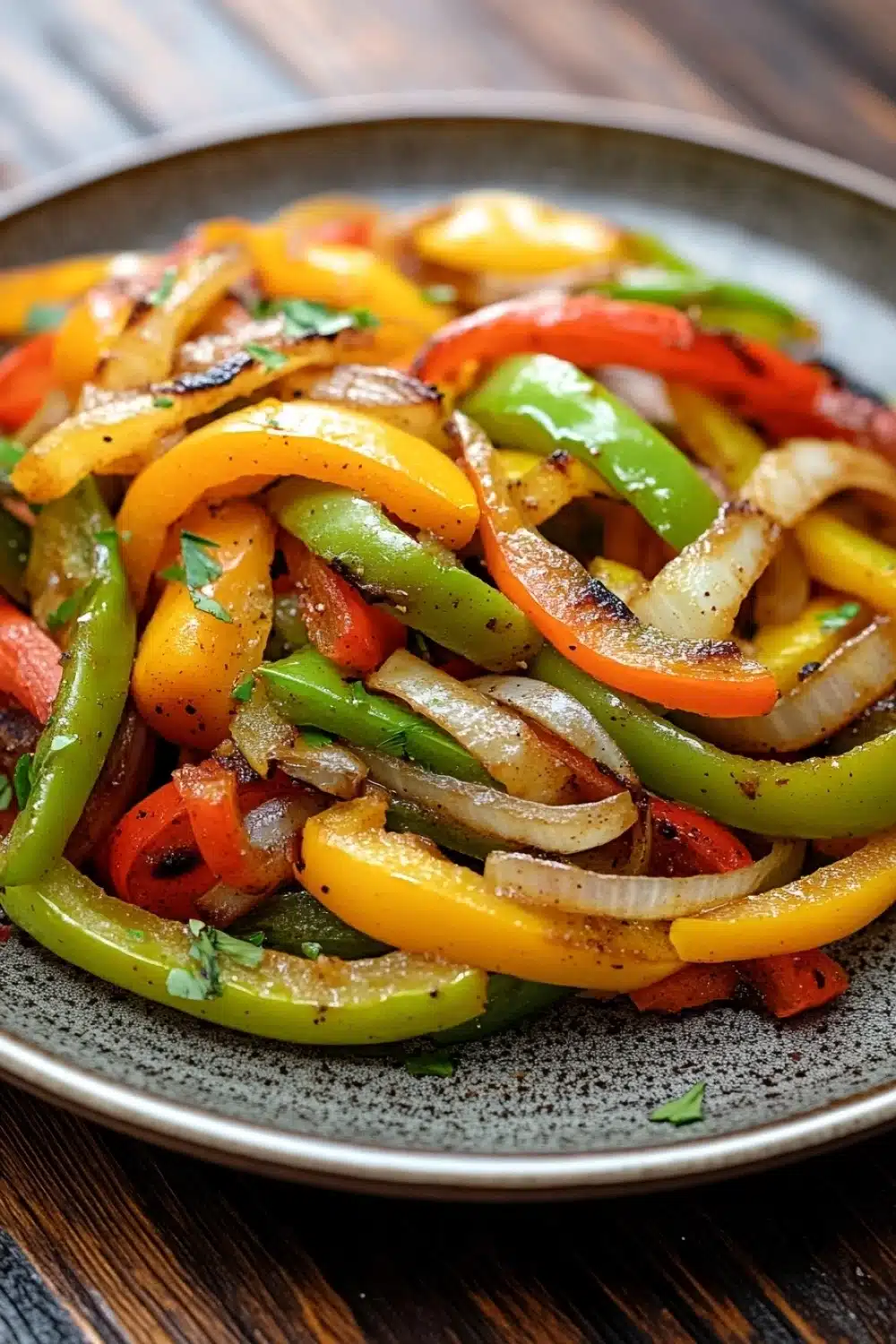
The sizzle of olive oil hitting a hot skillet is like music to any kitchen warrior’s ears. That initial pop heralds the start of something vibrant, a colorful dance of bell peppers and onions that’s about to unfold. I remember the first time I tossed these fajita vegetables on the heat—no fancy tricks, just straightforward sautéing, yet the flavors hit your taste buds like a fiesta in full swing.
Each pepper—red, green, yellow, orange—slices thin, ready to mingle with the sweet onions. The kitchen fills with the scent of cumin and smoked paprika, spices that don’t just whisper but shout their presence. Garlic joins the party late but makes a bold entrance, infusing the mix with that unmistakable punch. It’s all about timing here—soft but still snappy veggies that bring crunch and depth.
When it’s done, a splash of fresh lime juice and a sprinkle of cilantro make everything pop. This isn’t just a side; it’s the kind of topping that can make or break a fajita night. No frou-frou needed—just honest, vibrant flavor that’s ready in no time.
For a tasty twist, try our Quick & Crisp Air Fryer Shrimp and Vegetables in 22 Minutes to complement your sauteed fajita vegetables.
Real Life Benefits of Sauteed Fajita Vegetables
- Quick to whip up—ready in just 20 minutes, making weekday dinners a breeze.
- Brightens your plate with a pop of colors that even picky eaters can’t resist.
- Versatile as heck—stack them on tacos, burritos, or just serve as a killer side.
- Loaded with fiber and vitamins—your gut and immune system will thank you.
- Easy to tweak—spice level and herbs can be dialed up or down to match your mood or pantry stash.
Sauteed Fajita Vegetables
A colorful and flavorful mix of sautéed bell peppers and onions seasoned with classic fajita spices. Perfect as a side dish or a topping for fajitas, tacos, or burritos.
- Prep Time: 10 minutes
- Cook Time: 10 minutes
- Total Time: 20 minutes
- Yield: 4
Ingredients
1 tablespoon olive oil
1 medium red bell pepper, thinly sliced
1 medium green bell pepper, thinly sliced
1 medium yellow bell pepper, thinly sliced
1 medium orange bell pepper, thinly sliced
1 large yellow onion, thinly sliced
2 cloves garlic, minced
1 teaspoon ground cumin
1 teaspoon chili powder
1/2 teaspoon smoked paprika
1/2 teaspoon dried oregano
1/4 teaspoon salt
1/4 teaspoon black pepper
1 tablespoon fresh lime juice
2 tablespoons chopped fresh cilantro
Instructions
Heat the olive oil in a large skillet over medium-high heat until shimmering.
Add the sliced onions to the skillet and sauté for 2 minutes until they begin to soften.
Add the sliced bell peppers to the skillet and continue to sauté for 5 to 6 minutes, stirring occasionally, until the vegetables are tender-crisp.
Add the minced garlic, ground cumin, chili powder, smoked paprika, dried oregano, salt, and black pepper to the skillet. Stir well to evenly coat the vegetables with the spices.
Cook for an additional 2 minutes, stirring frequently, until the garlic is fragrant and the spices are well incorporated.
Remove the skillet from heat and stir in the fresh lime juice and chopped cilantro.
Transfer the sautéed fajita vegetables to a serving dish and serve warm as a side or topping.
Explore more:
Dinner Recipes
Mastering Sautéed Fajita Vegetables: Tricks and Tweaks
The Bell Pepper Lineup: Why Color (and Crisp) Matter
Ever wonder why fajita peppers pop with color and crunch? It’s not just for show. Different hues mean different flavor notes—red peppers bring sweetness, green ones add a bit of tang, yellow and orange flirt with citrusy brightness. I’m telling you, skipping the full rainbow is like leaving your mixtape half-done. Plus, slicing them thin and uniform is clutch. Too thick? They steam instead of sauté, turning mushy—nobody wants soggy fajitas. I keep the heat medium-high, letting those peppers sizzle just right so they stay crisp-tender, not limp. That snap when you bite in? Non-negotiable.
Spice It Up or Tone It Down? The Real Deal Behind the Seasoning
Alright, spices aren’t just decoration; they’re the backbone. Ground cumin and chili powder bring the earthiness and heat—think of them as your fajita’s rhythm section. Smoked paprika? That’s the secret sauce for a subtle charred vibe. Dried oregano adds a slight herbal note that cuts through the richness. A quick tip: toss the spices in only after the peppers begin to soften but before garlic hits the pan. Garlic burns fast, and burnt garlic tastes like regret. I’ve seen cooks dump everything in at the start—big no-no. The timing crafts a layered flavor jam—each bite tells a story.
When Things Go Sideways: Fixing Common Fajita Fails
Soggy peppers? Bland taste? I’ve been there, friend. Here’s the trick—if your veggies turn out watery, it’s usually too low heat or overcrowding the pan. The peppers release water, and if it can’t evaporate fast enough, you get steam, not sauté. The fix? Cook in batches or crank up the heat but watch like a hawk to avoid blackened bits. Over-spiced or bitter? A splash of fresh lime juice at the end always pulls the flavors back into balance—the culinary equivalent of a reset button. And don’t skimp on fresh cilantro. Its brightness is like the cherry on top that wakes the whole dish up. No cilantro? Toss in chopped parsley or green onions for a fresh punch.
Sauteed Fajita Vegetables FAQ
- Can I use frozen peppers?
- Yes, you can—but they’ll release more water, making your sauté a bit soggy. If you go this route, thaw and pat them dry first to keep things crisp.
- How spicy is this dish?
- It’s more on the mild side, relying on smoky and earthy flavors from the cumin and smoked paprika. If you want a kick, toss in some crushed red pepper flakes or a splash of hot sauce.
- Can I prep this ahead of time?
- Absolutely. Slice your veggies and keep them wrapped in the fridge. When you’re ready, it’s a 10-minute skillet job. This recipe plays well with last-minute cooking hustle.
- What’s the best oil to use?
- Olive oil is the OG here. It holds up well over medium-high heat and adds a subtle fruity note that complements the peppers and onions nicely. Avoid extra virgin if you don’t want bitterness creeping in.
- Can I add protein to this?
- 100%. Throw in sliced chicken, steak strips, or shrimp before adding the spices. Cook the protein first, then toss the veggies in. It’s a one-pan wonder that’s perfect for weeknight dinners.