
Stuck in a dinner rut?
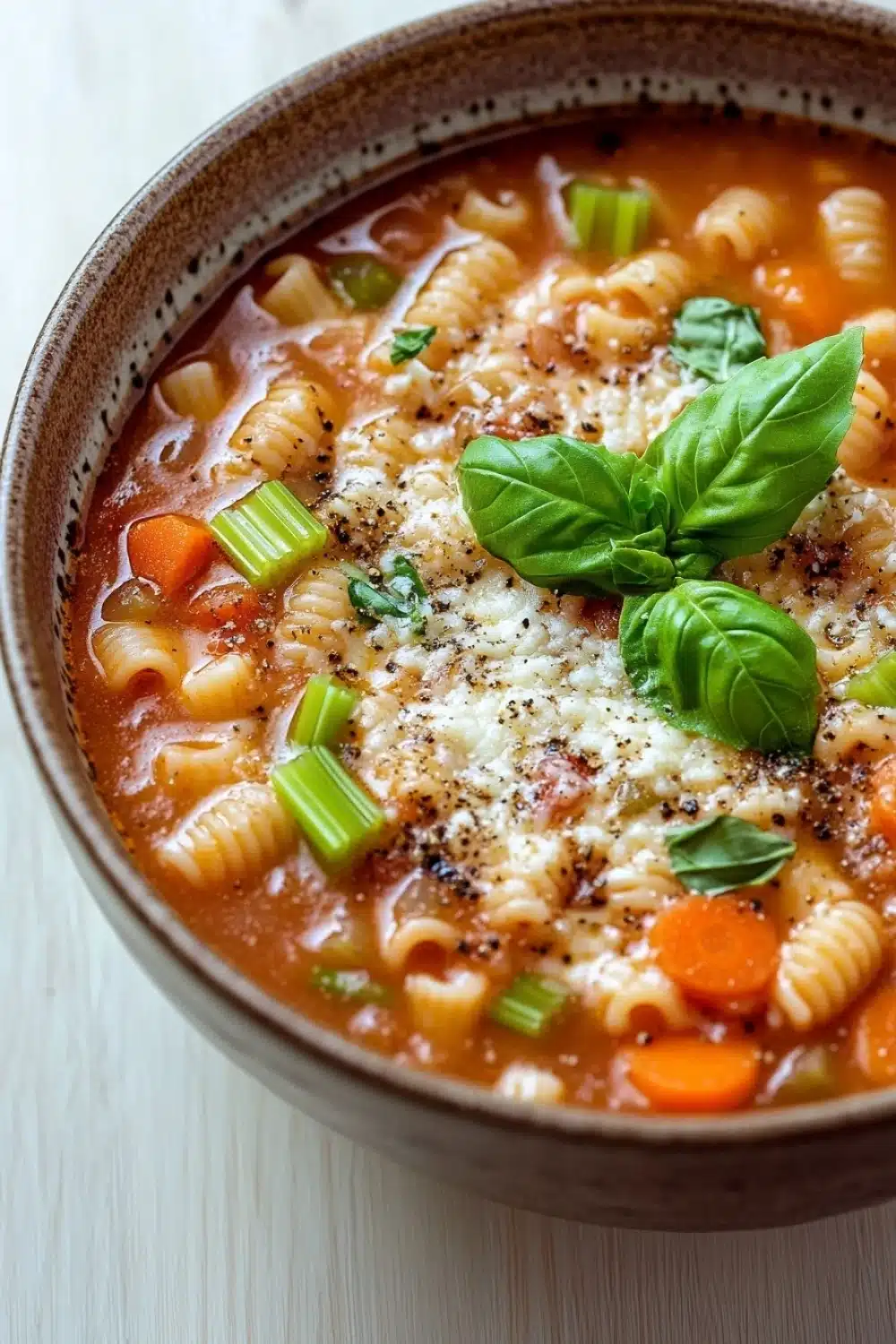
There’s something wildly comforting about whipping up a meal in just one pot—no juggling pans, no frantic cleanup. I remember the first time I stumbled upon this one pot pasta tomatensoe recipe on a freezing weeknight. The aroma of simmering tomatoes with garlic and herbs filled the kitchen, wrapping me in a cozy, almost nostalgic vibe. It’s a dash-and-stir kind of magic.
What makes this dish a total kitchen win is its no-fuss charm combined with a hearty slurp-worthy broth. The pasta cooks right in the tomato broth, soaking up all those tangy, herby flavors while thickening the soup into a luscious hug in a bowl. It’s like the chef’s kiss for anyone who digs quick meals with a homey feel.
Grab your wooden spoon—this one’s going to change how you think about weeknight suppers.
For a delicious and easy meal, try our one pot pasta tomatensoe recipe that brings quick comfort in a single pot.
Why One Pot Pasta Tomatensoep Works Wonders in Real Life
- One pot means less cleanup—perfect for those nights when the dishwasher looks like a ticking time bomb.
- Quick prep and cook times add up to a full meal in just 35 minutes, saving you valuable evening hours.
- The combination of hearty veggies and pasta keeps hunger at bay without leaving you weighed down—ideal for a cozy yet light dinner.
- Freezer-friendly leftovers that reheat without losing their charm; no sad mush here, just tasty, comforting soup ready on demand.
- Loads of flavor with pantry staples—no fancy ingredients needed, so you can whip this up even on a tight grocery run.
One Pot Pasta Tomatensoep
A comforting and easy one pot pasta tomatensoep (tomato soup with pasta) that combines fresh tomatoes, pasta, and aromatic vegetables in a rich, flavorful broth. Perfect for a quick and satisfying meal.
- Prep Time: 10 minutes
- Cook Time: 25 minutes
- Total Time: 35 minutes
- Yield: 4
Ingredients
2 tablespoons olive oil
1 medium yellow onion, finely chopped
2 cloves garlic, minced
2 medium carrots, peeled and diced
2 celery stalks, diced
800 grams canned crushed tomatoes
1 liter vegetable broth
200 grams dried small pasta (such as ditalini or small shells)
1 teaspoon dried oregano
1 teaspoon dried basil
1/2 teaspoon salt
1/4 teaspoon black pepper
1 teaspoon sugar
30 grams grated Parmesan cheese (optional, for serving)
Fresh basil leaves, for garnish
Instructions
Heat the olive oil in a large pot over medium heat.
Add the chopped onion, minced garlic, diced carrots, and diced celery to the pot. Sauté for 5-7 minutes until the vegetables are softened.
Pour in the canned crushed tomatoes and vegetable broth. Stir to combine.
Add the dried oregano, dried basil, salt, black pepper, and sugar. Stir well.
Bring the mixture to a boil, then reduce the heat to medium-low and simmer for 10 minutes to allow the flavors to meld.
Add the dried pasta to the pot and stir.
Cook uncovered for 10-12 minutes, stirring occasionally, until the pasta is tender but still firm to the bite and the soup has thickened slightly.
Taste and adjust seasoning with additional salt or pepper if needed.
Serve the soup hot, topped with grated Parmesan cheese if using, and garnish with fresh basil leaves.
Explore more:
Dinner Recipes
Mastering the One Pot Pasta Tomatensoep
The Swap Game: When You’re Out of the Basics
Let’s talk pasta. If you don’t have ditalini or small shells kicking around, don’t sweat it. Use any small pasta shape you have—elbow macaroni, or even broken spaghetti. The key is size: you want it petite enough to cozy up in the soup without turning mushy too quickly. And veggies? Don’t panic if celery’s MIA. Bell peppers or fennel stalks bring their own mojo—just dice them fine so they blend seamlessly. I once swapped carrots for parsnips and got a sweeter, earthier vibe that surprised me in the best way. This soup is like jazz—you riff on the theme, and it still hits the right notes.
The Why Behind the Simmer: Flavor’s Slow Dance
Here’s where most folks rush and end up with blah broth. You have to let those tomatoes and herbs simmer together—no shortcuts. Ten minutes might sound like a blink, but it’s the perfect power nap for your soup’s flavor to bulk up. That oregano and basil? They’re not just for show; the heat coaxes out their oils, marrying them with the sweetness of the carrots and the tang of the tomatoes. Skipping this step? It’s like skipping leg day: you’re just not getting the full strength. Trust me—I’ve learned the hard way when I was starving and impatient. The sugar? Counterbalances the acidity, turning down the tomato’s volume just right.
Fixing Pasta Soup Fails: When It Gets Too Thick or Mushy
Ever ended up with soup that looks more like a paste? Happens. Here’s the lowdown:
- Too thick? Add broth or water in small increments—think tablespoons, not cups. Heat it through, stir, and watch the consistency relax.
- Mushy pasta? Next time, drop the pasta in later or keep a sharp eye on the clock. Pasta’s a diva; it demands respect and timing.
- Flavor flatline? Season again. Salt and pepper can bail you out every time.
I always keep a mini stock pot ready while cooking—extra broth simmering nearby is lifesaving. This soup is forgiving, but a little care keeps it from turning into a sad, gloopy mess.
FAQs About One Pot Pasta Tomatensoep
Absolutely! If you’re going the fresh route, you’ll want about 1.5 kg of ripe tomatoes—blanched, peeled, and crushed. Keep in mind, fresh tomatoes might mean a bit more simmering time to get that rich flavor depth.
Yes, you can. Small shapes like orzo, elbow macaroni, or even broken spaghetti work well. Just watch your cooking time because some shapes puff up faster—don’t let your soup turn into a gloopy mess.
Yes. Just skip the Parmesan or swap it for a plant-based cheese or nutritional yeast. The soup’s flavor stands strong on its own, no cheese needed to bring the oomph.
Yes. Store leftovers airtight in the fridge for up to 3 days. When reheating, add a splash of broth or water to keep it from thickening too much. It’s great for a next-day lunch fix that still packs a punch.
No. It’s not recommended. Pasta often turns mushy after freezing and reheating. If you must, cook the pasta separately and freeze the soup base alone, then combine before serving.