
Let’s get real.
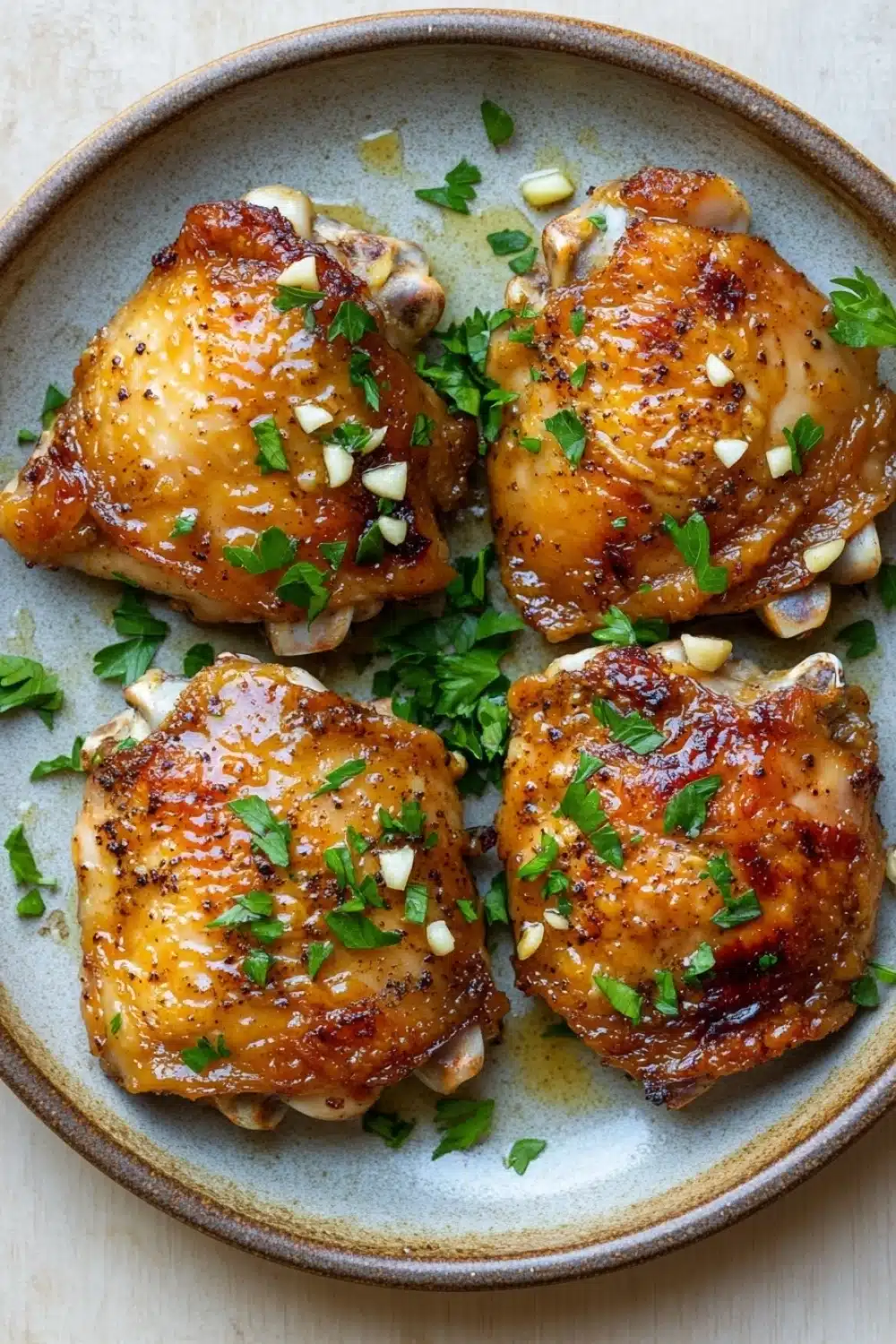
There’s something about chicken thighs sizzling in a skillet that turns a mundane kitchen into a stage for a flavor showdown. The skin crisps up with a satisfying crunch—no soggy business here—while garlic and Dijon mustard team up like old friends ready to tango on your tongue.
I remember the first time I nailed this dish; the kitchen smelled like a bistro, minus the pretentiousness. The secret? Patience—letting the chicken sit, skin-side down, until it hits that golden-brown jackpot. Nothing rushed, just good old-fashioned skillet magic.
This recipe isn’t just weeknight armor—it’s a statement. One pan, a handful of ingredients, and you’re in for juicy, savory bites that make you wonder why anyone bothers with dry chicken breasts. Let’s dive in!
For another delicious and healthy option, try our Low Calorie Chicken Leg Quarters: Simple, Healthy, and Flavor-Packed recipe that pairs perfectly with skillet garlic dijon chicken thighs.
Real-Life Perks of Skillet Garlic Dijon Chicken Thighs
- Perfect for busy weeknights when you want a hearty meal without babysitting the stove—one pan does it all.
- The crispy skin? Absolutely addictive. It’s like a flavor jackpot in every bite, no fancy techniques required.
- Garlic and Dijon mustard team up to punch your taste buds awake—no bland chicken on this watch.
- Leftovers reheat like a charm, keeping juicy tenderness intact, making lunch the next day a no-brainer.
- Minimal cleanup means more time to kick back—because who really wants to scrub a mountain of dishes after dinner?
Skillet Garlic Dijon Chicken Thighs

Juicy and flavorful chicken thighs cooked in a skillet with a savory garlic Dijon mustard sauce. This easy one-pan recipe is perfect for a quick weeknight dinner.
- Prep Time: 10 minutes
- Cook Time: 25 minutes
- Total Time: 35 minutes
- Yield: 4
Ingredients
4 bone-in, skin-on chicken thighs (about 1.5 pounds)
1 teaspoon kosher salt
1/2 teaspoon freshly ground black pepper
2 tablespoons olive oil
4 cloves garlic, minced
2 tablespoons Dijon mustard
1/2 cup low-sodium chicken broth
1 tablespoon fresh lemon juice
1 teaspoon dried thyme
1 tablespoon unsalted butter
1 tablespoon chopped fresh parsley
Instructions
Pat the chicken thighs dry with paper towels. Season both sides with kosher salt and black pepper.
Heat the olive oil in a large skillet over medium-high heat until shimmering.
Place the chicken thighs skin-side down in the skillet. Cook without moving for 7 to 8 minutes until the skin is golden brown and crispy.
Flip the chicken thighs and cook for an additional 7 minutes on the other side until browned.
Remove the chicken thighs from the skillet and set aside on a plate.
Reduce the heat to medium. Add the minced garlic to the skillet and sauté for 30 seconds until fragrant, stirring constantly to avoid burning.
Stir in the Dijon mustard, chicken broth, lemon juice, and dried thyme. Scrape the bottom of the skillet with a wooden spoon to loosen any browned bits.
Return the chicken thighs to the skillet, skin-side up. Spoon some sauce over the chicken.
Cover the skillet and simmer for 8 to 10 minutes, or until the chicken reaches an internal temperature of 165°F (74°C).
Remove the chicken thighs from the skillet and place on a serving plate.
Stir the butter into the sauce in the skillet until melted and smooth.
Pour the sauce over the chicken thighs and garnish with chopped fresh parsley before serving.
Explore more:
Dinner Recipes
Mastering Skillet Garlic Dijon Chicken Thighs: Tricks & Fixes
The Skin Game: Crisp It Like a Pro
Getting that perfect crispy skin on chicken thighs is the holy grail here. I swear by patting the skin bone-dry—any moisture is an instant buzzkill for crispiness. Then, salt generously. Don’t skimp; salt draws out moisture and seasons the meat deep down. Heat your skillet until the olive oil is shimmering hot but not smoking—this is where the magic happens. Place your thighs skin-side down and then, and only then, let them sit. No wiggle, no poke, no peeking for a solid 7-8 minutes. Resist the urge to flip prematurely—you’ll tear that skin, and all your hard work will flop. Once you see that golden-brown crust, flip gently and brown the other side. Pro tip: if the skin sticks to the pan, it’s not ready yet. Let it go, it’ll release when properly seared.
Swap It Up: Ingredient Hacks That Work
Ever run out of Dijon mustard at the worst time? No sweat. You can reach for whole-grain mustard for a slightly nuttier bite or even spicy brown mustard for an extra kick—both bring their own charm. If you’re out of chicken broth, white wine (about 1/2 cup) or even vegetable broth can jazz up the sauce just fine. Lemon juice adds that bright zip, but a splash of apple cider vinegar works in a pinch to cut through the fat. Olive oil is the go-to here, but if you’re feeling fancy, clarified butter adds a nutty flavor and high smoke point—just watch the heat. Fresh thyme is best, but dried thyme steps in capably; just crush it between your fingers to release oils before tossing it in. This isn’t a rigid recipe—embrace those swaps and make it your own.
When Things Go South: Fixing the Usual Slip-ups
Ever ended up with soggy skin or dry chicken? Me too, and here’s the lowdown. If your skin is soggy, it probably means the pan wasn’t hot enough or you crowded the skillet. Chicken needs space to crisp up—don’t overcrowd; work in batches if necessary. Dry chicken? It’s usually overcooked or the internal temp shot past 165°F. Invest in a quick-read thermometer; it’s a game changer. When simmering the sauce with the chicken, keep the heat gentle—too high and you risk drying out the meat. If your sauce is too thin or watery at the end, crank the heat up and reduce it briskly, stirring constantly. Finally, butter in the sauce at the end? It’s the slick finish that ties everything together, so don’t skip it. Skimpy sauce equals sad chicken.
Skillet Garlic Dijon Chicken Thighs FAQs
A: Yes, but keep in mind chicken breasts cook faster and can dry out. Adjust cooking time accordingly to keep them juicy.
A: No, but Dijon adds a sharp tang that’s hard to beat. If you swap it out, try whole grain mustard or a mild yellow mustard for a different vibe.
A: Pat the chicken dry thoroughly and don’t move it once you place it skin-side down. Let it sizzle and crisp for a solid 7-8 minutes. No peeking!
A: Absolutely. Season the thighs, then refrigerate them for a few hours or overnight. Bring them to room temp before cooking to keep that skin popping.
A: Yes and no. You can freeze cooked chicken thighs but the skin might lose crispiness after thawing. For best results, freeze the sauce separately if you want to reheat later.