
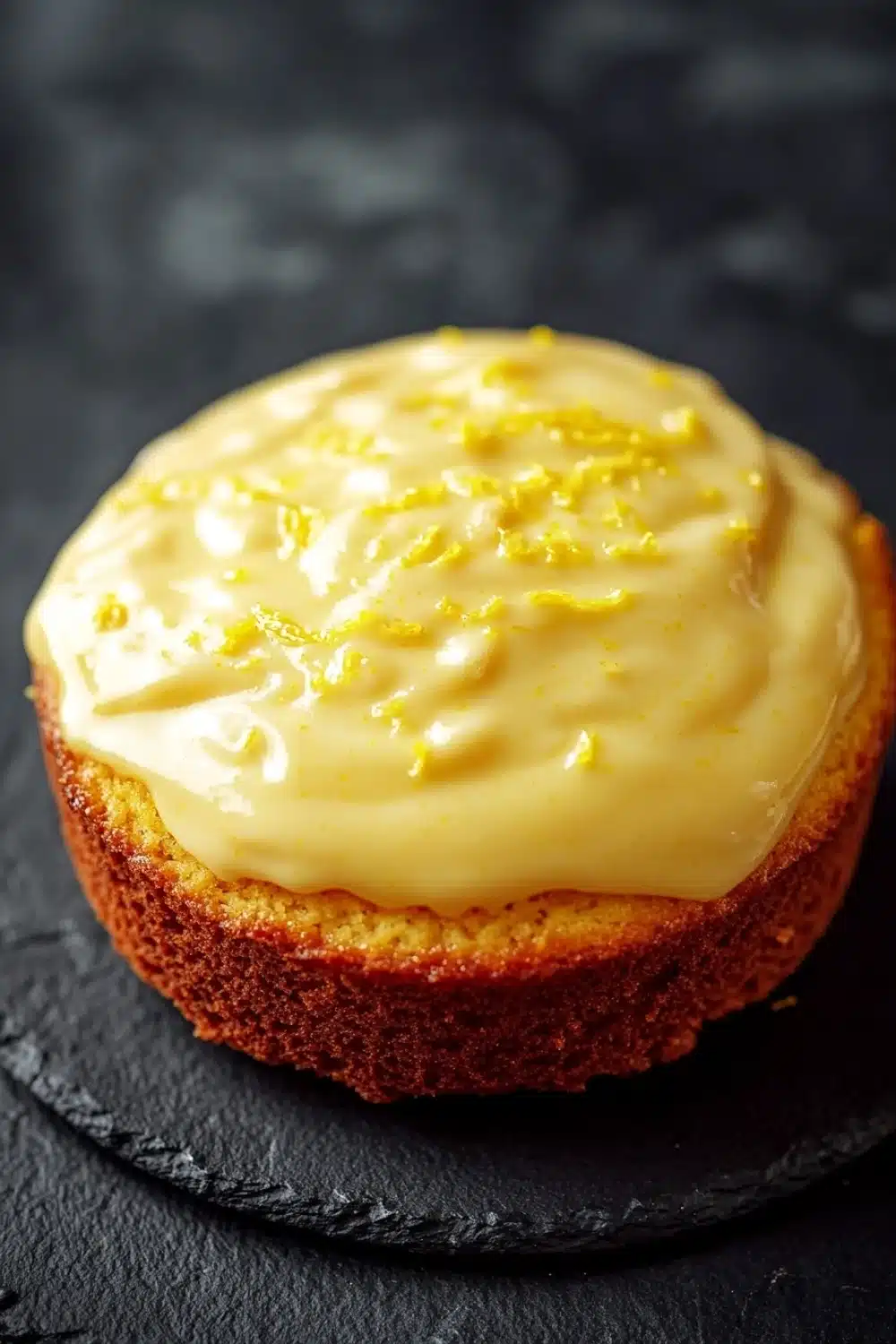
There’s something almost hypnotic about the way lemon scents swirl in a warm kitchen—like a bright spark cutting through the usual humdrum. The mix of butter melting into batter, eggs whipped to soft peaks, and zesty lemon juice ready to tango with sugar—this is no ordinary baking session. I remember the first time I made this lemon cake lemon pudding; the pudding’s creamy tang seeped slowly into the airy sponge, transforming it into a juicy, almost rebellious dessert that laughs in the face of boring sweets. The kitchen feels alive, the oven hums a steady tune, and you can almost hear the cake whispering promises of that perfect bite—light, yet decadently soaked in lemony goodness. As the pudding cools and sets, there’s this delicious anticipation that any dessert fanatic knows well—the wait is part of the magic. This cake-pudding hybrid isn’t just a recipe; it’s a little midweek pick-me-up, a bright spot to tuck into after a taxing day. Trust me, it’s worth every minute—not just for dessert fans but anyone ready to shake up their sweet game with a punch of citrusy flair.
If you’re in the mood for something a little different but just as delightful, you might want to check out this Easy Blueberry Muffin Mix Cobbler: Sweet, Fruity, No Fuss. It’s a super simple recipe that brings a burst of fruity goodness without any hassle—perfect for when you want a sweet treat that’s quick and satisfying.
Why You’ll Want to Make This Lemon Cake Lemon Pudding Now
- Brightens up your dessert game with zesty lemon that’s never overpowering—just the right smack of tang.
- Combines airy cake texture and smooth pudding in one dish, so you’re basically getting two treats in a single bake.
- Perfect for potlucks or family dinners—easy to prep, bakes in one dish, and looks like you pulled off something fancy.
- Refrigerates like a champ, making it a solid make-ahead option for busy days when you want a no-fuss sweet fix.
- Keeps well for a few days, so you won’t be stuck eating the same old boring dessert on repeat.
Lemon Cake Lemon Pudding

A delightful lemon cake pudding that combines the light texture of lemon cake with a creamy lemon pudding base, perfect for a refreshing dessert.
- Prep Time: 15 minutes
- Cook Time: 45 minutes
- Total Time: 60 minutes
- Yield: 6
Ingredients
Scale
1 cup all-purpose flour
1 teaspoon baking powder
1/4 teaspoon salt
1/2 cup granulated sugar
3 large eggs, separated
1/2 cup unsalted butter, melted and cooled
1/2 cup whole milk
1/4 cup freshly squeezed lemon juice
1 tablespoon lemon zest
1 teaspoon vanilla extract
1/2 cup granulated sugar (for pudding base)
2 tablespoons cornstarch
2 cups whole milk (for pudding base)
3 large egg yolks (for pudding base)
1/4 cup freshly squeezed lemon juice (for pudding base)
1 tablespoon lemon zest (for pudding base)
Instructions
Preheat the oven to 350°F (175°C). Grease a 9-inch round baking dish or ovenproof dish.
In a medium bowl, whisk together the all-purpose flour, baking powder, and salt. Set aside.
In a large bowl, beat 1/2 cup granulated sugar with the egg yolks until pale and thick.
Add the melted butter, whole milk, lemon juice, lemon zest, and vanilla extract to the egg yolk mixture and mix until combined.
Gradually fold the dry ingredients into the wet ingredients until just combined.
In a separate clean bowl, beat the egg whites until soft peaks form. Gradually add 1/2 cup granulated sugar and continue beating until stiff peaks form.
Gently fold the beaten egg whites into the batter, preserving as much air as possible.
Pour the batter into the prepared baking dish and spread evenly.
Bake for 25-30 minutes or until the top is golden and a toothpick inserted in the center comes out clean.
While the cake is baking, prepare the lemon pudding base: In a medium saucepan, whisk together 1/2 cup granulated sugar, cornstarch, and a pinch of salt.
In a separate bowl, whisk the egg yolks with 2 cups whole milk, lemon juice, and lemon zest until smooth.
Slowly pour the egg yolk mixture into the saucepan with the sugar and cornstarch, whisking constantly.
Cook over medium heat, stirring constantly, until the mixture thickens and comes to a gentle boil, about 5-7 minutes.
Remove the pudding from heat and let it cool slightly.
Once the cake is done, remove it from the oven and allow it to cool for 10 minutes.
Pour the warm lemon pudding evenly over the top of the cake, allowing it to soak in.
Refrigerate the assembled lemon cake lemon pudding for at least 2 hours before serving to allow flavors to meld.
Serve chilled or at room temperature.
Explore more:
Breakfast Recipes
Lemon Cake Lemon Pudding: Substitution Secrets, The Science, and Real-World Fixes
Substitution Secrets
When life throws you a curveball—like running out of whole milk or eggs—this lemon cake lemon pudding recipe has some wiggle room. I remember once being knee-deep in baking only to discover my fridge was a desert for whole milk. Instead of aborting mission, I went with a 1:1 swap of half-and-half mixed with water, which kept the pudding base creamy enough without tanking the texture. If you’re egg-short, an extra yolk in the cake batter and a whipped aquafaba stand-in for the whites can do the trick for volume and lift, though the flavor shifts toward a slightly different vibe—less rich, a bit more muted. Butter, too, can be swapped with ghee or a neutral oil, but butter’s flavor punch really hits the spot in this one, so I only suggest oil if you’re in a pinch. Lastly, if you don’t have fresh lemons, bottled lemon juice works in a pinch, but zest? Never skip it. It’s the zing that keeps this pudding singing.
The Science
Here’s the lowdown on what’s happening under the hood of this lemon cake pudding. That delicate crumb and pudding interplay? It’s all about protein coagulation and starch gelatinization happening in tandem. The egg yolks and starch in the pudding base thicken when heated, creating that luscious, creamy texture without turning rubbery—a delicate balance that requires constant whisking and a watchful eye. Meanwhile, the separated eggs whipped into peaks bring aeration to the cake component, making it float on a cloud of egg-white foam. Lemon juice adds acidity, which tweaks the protein structure and helps set the pudding while brightening the whole shebang. If you’re wondering why the pudding doesn’t just turn into scrambled eggs, it’s because the cornstarch stabilizes the eggs and thickens the mixture gently, preventing curdling. This recipe is a textbook example of chemistry dancing with technique.
Real-world Fix
I once had a batch where, despite following the book, the pudding layer turned out a bit runny after chilling—talk about a buzzkill. What saved the day? Patience and a quick double-boil reheat. Gently warming the pudding again over simmering water, whisking until it thickened a tad more, fixed the slump without breaking the custard. Another hack for that perfect consistency is to let the pudding cool enough before pouring it over the cake—too hot and it seeps too aggressively, too cold and it won’t soak in properly. For the cake, overbeating the whites is a rookie mistake I see often; it makes folding a nightmare and deflates the batter later. Keep an eye out for soft peaks turning into a meringue mix that’s too dry. When in doubt, beat less and fold gently—air is your friend here. Finally, chilling time is non-negotiable. It’s the phase where flavors marry and textures settle, turning a simple lemon cake pudding into a showstopper.
Lemon Cake Lemon Pudding FAQs
Can I make this lemon cake lemon pudding ahead of time?
Absolutely. It actually benefits from some chill time—letting the pudding soak in and the flavors meld makes it even better. Just give it at least 2 hours in the fridge before serving.
What’s the secret to getting those stiff egg whites just right?
Clean bowls and beaters are a must—no grease allowed. Start beating the whites until soft peaks, then slowly add sugar while continuing to whip until stiff peaks form. This step is key for that perfect light texture.
Can I swap out the whole milk for something else?
You can use cream or a combination of cream and milk for a richer pudding, but stick to whole milk if you want that classic balance. Non-dairy milks generally don’t thicken the pudding the same way, so I wouldn’t recommend them here.
Why do we separate the eggs in this recipe?
Separating the eggs lets you whip the whites separately for volume and lightness while the yolks enrich the batter and pudding base. It’s the difference between a dense mess and a fluffy, creamy showstopper.
What’s the best way to serve this dessert?
Chilled is my personal fave—keeps that tangy lemon punch sharp and refreshing. But if you’re feeling adventurous, room temp works too and softens the pudding’s texture a bit. Either way, it’s a winner.