
Sometimes, less is more.
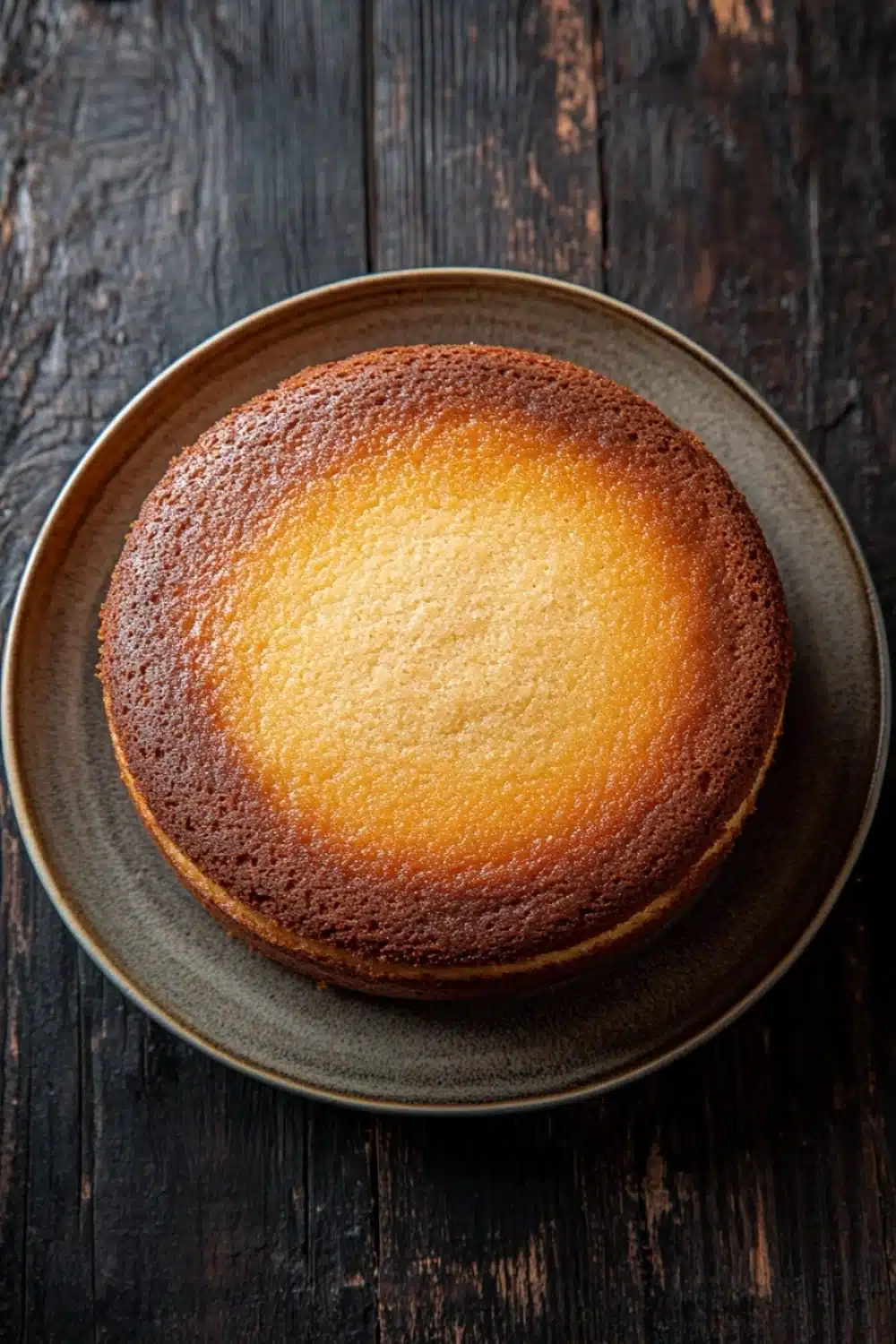
There’s something deeply comforting about a vanilla cake stripped down to its bare essentials—no frills, no fuss, just pure, tender crumb magic. I remember the first time I baked this no-icing vanilla cake. The kitchen smelled like a vanilla bean farm had just moved in. Butter, sugar, eggs—all working together like a well-oiled machine, creating that perfect balance of softness and crumb that doesn’t scream for frosting to save it.
Baking this cake is like a little rebellion against the sugar overload trend. It’s for those who appreciate cake in its raw form—unpretentious, honest, and unpolished. The golden crust cracks just enough to hint at what’s inside, while the crumb stays moist and inviting. It’s the kind of sweet that whispers, not shouts.
This vanilla cake no icing isn’t just a recipe; it’s a reminder that purity in baking can be downright seductive.
If you’re craving a healthier treat, try this Protein Muffin Almond Flour Recipe for a Quick Low-Carb Boost instead of a vanilla cake no icing.
Why You’ll Keep Coming Back to This Vanilla Cake No Icing
- Quick prep—just 15 minutes before you pop it in the oven. Perfect for those last-minute dessert cravings.
- No fuss with icing means more time for you to enjoy the simplicity of vanilla done right. Sometimes less really is more.
- Moist and tender crumb, so each bite feels like a little cloud of nostalgia, no frosting needed.
- Great for those who prefer their cakes straightforward—no sugar overload, just pure vanilla goodness.
- Easy to store—stays fresh for days or freezes well for whenever sweet tooth strikes again.
Vanilla Cake No Icing
A simple and moist vanilla cake with a tender crumb, perfect for enjoying on its own without any icing.
- Prep Time: 15 minutes
- Cook Time: 30 minutes
- Total Time: 45 minutes
- Yield: 8
Ingredients
2 1/2 cups (312 grams) all-purpose flour
2 1/2 teaspoons baking powder
1/2 teaspoon salt
1 cup (226 grams) unsalted butter, softened
1 3/4 cups (350 grams) granulated sugar
4 large eggs
1 tablespoon pure vanilla extract
1 cup (240 ml) whole milk
Instructions
Preheat the oven to 350°F (175°C). Grease and flour a 9-inch (23 cm) round cake pan.
In a medium bowl, whisk together the flour, baking powder, and salt. Set aside.
In a large bowl, using an electric mixer, cream the softened butter and granulated sugar together on medium speed until light and fluffy, about 3 to 5 minutes.
Add the eggs one at a time, beating well after each addition.
Mix in the vanilla extract.
With the mixer on low speed, alternately add the flour mixture and the milk to the butter mixture, beginning and ending with the flour mixture. Mix until just combined; do not overmix.
Pour the batter into the prepared cake pan and smooth the top with a spatula.
Bake in the preheated oven for 28 to 32 minutes, or until a toothpick inserted into the center comes out clean.
Remove the cake from the oven and allow it to cool in the pan for 10 minutes.
Run a knife around the edges to loosen the cake, then invert it onto a wire rack to cool completely before serving.
Explore more:
Breakfast Recipes
Nailing Vanilla Cake Without the Fluff
The Butter-Sugar Tango: Why It Matters
Ever heard bakers say, “cream ’til the cows come home” when mixing butter and sugar? That’s not just kitchen banter. This step—creaming butter with sugar until the mixture is pale and fluffy—actually traps tiny air bubbles that give the cake its lift and tender crumb. Skip or rush it, and your cake’s texture takes a nosedive. When I first baked this vanilla cake, I ignored the creaming time and ended up with a dense puck that could double as a doorstop. Lesson learned. So grab your mixer and give that butter and sugar a solid 3 to 5 minutes on medium speed. You’ll see the mixture transform from dull to glossy—the sure sign you’re on the right track.
Flour and Milk: The Perfect Dance Partners (Don’t Overdo It!)
Mixing dry and wet ingredients isn’t a free-for-all—it’s a subtle dance. Alternate adding flour mixture and milk, starting and ending with flour. Why? Because flour’s gluten needs just enough coaxing to develop structure but not enough to toughen the cake. Overmixing is the rookie mistake that turns tender crumb into rubbery chew. When I’m in the zone, I mix just until the streaks vanish—no more. If you’re eyeing the batter too long, that’s where you’ll lose the lightness this vanilla cake deserves. Pro tip: switch your mixer to low speed here and resist the urge to beat it into oblivion.
Fixing the Usual Suspects: When Your Cake Goes Sideways
Burnt edges? Cake sinks in the middle? Cracks on top that look like a fault line? These gremlins are common but fixable. First—make sure your oven temperature is spot on. An oven thermometer can be a game-changer; many ovens lie about the heat. Second—don’t skimp on greasing and flouring your pan; trapped batter edges cause uneven rising and sticking. Third—about that sinking middle? It’s usually underbaking or opening the oven door too soon. Resist the urge to peek before 25 minutes are up! And cracks? Dry batter or overly hot ovens cause that jagged top. Sometimes, a quick tap of the pan on the counter before baking smooths out air pockets and helps even out the rise. Trust me, these tweaks turn a meh cake into a keeper.
Vanilla Cake No Icing: Quick FAQs
Absolutely. Just whisk the butter and sugar vigorously by hand until pale and fluffy—but brace yourself; it’s a workout!
What’s the secret to a tender crumb?
It’s all about not overmixing once you add the flour. Stir until just combined—overdoing it turns your cake into a dense brick, and nobody wants that.
Is this cake good the next day?
Yes, it actually improves overnight. The moisture settles perfectly, making every bite softer.
Can I swap milk for something else?
Yep, but whole milk gives that rich mouthfeel. Almond or oat milk works too, but expect a slight textural shift.
Why no icing?
This cake stands tall on its own—rich, buttery, and simple. Perfect when you’re not in the mood to fuss over frosting.