
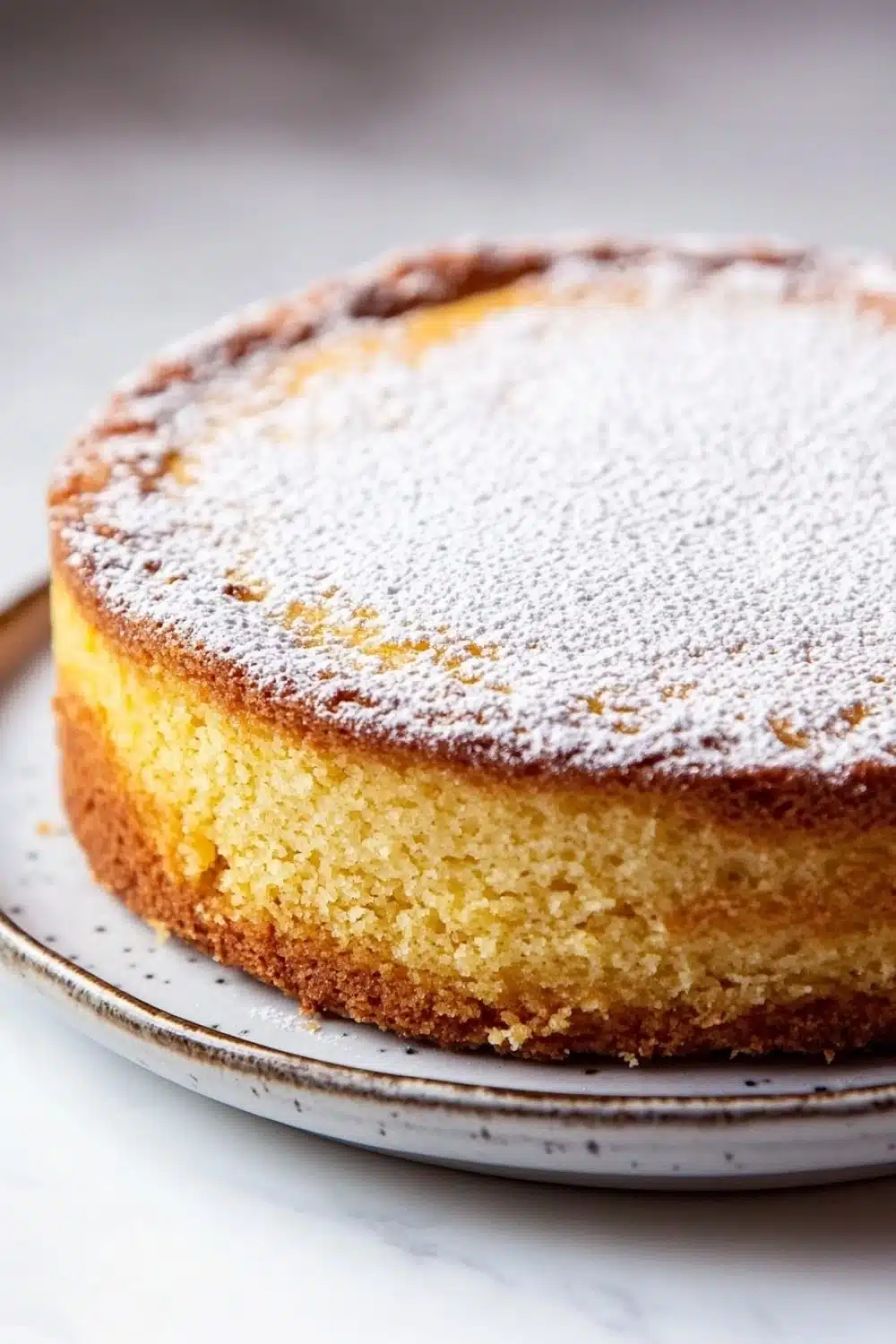
Sunshine in a cake.
There’s something about the zing of lemon that electrifies a dessert table. When I first made this yellow lemon cake, the kitchen filled with that unmistakable citrus buzz — like a flash of daylight through a cloudy afternoon window. The batter was silky, the scent sharp and inviting, hinting at the sweet tang to come.
Baking this cake isn’t just about flavor—it’s about mood. The vibrant yellow hue invites playfulness, and the zest adds that cheeky twist. I remember icing a cake late one night, the kitchen lit only by the oven’s glow, when the smell of fresh lemon zinged in the air and suddenly, the whole world felt lighter. Lemon cakes are not shy—they demand attention with their bright personality and subtle complexity.
Design-wise, this cake is a blank canvas waiting for your signature touch—whether it’s rustic powdered sugar dusting or a more intricate lemon glaze pattern. It’s not just a cake; it’s a statement. Let’s talk about how to nail that yellow lemon cake design that’s as bold as it is refreshing.
For more inspiration, check out our yellow lemon cake design ideas that brighten up any celebration.
Real-Life Benefits of Baking and Enjoying Yellow Lemon Cake
- Brightens up any gathering with its fresh citrus punch—perfect for those summer BBQs or casual brunches.
- Moist texture that stays tender even after a couple of days, so you can prep ahead without stress.
- Simple ingredients that you likely have on hand—no need to make a special trip to the store for fancy add-ons.
- Versatile dessert: serve it plain, dusted with powdered sugar, or dress it up with a dollop of whipped cream or fresh berries.
- Ideal for practicing classic baking skills—mastering this cake is a solid flex to impress friends and family alike.
Yellow Lemon Cake

A moist and fluffy yellow lemon cake with a bright citrus flavor, perfect for celebrations or a refreshing dessert.
- Prep Time: 20 minutes
- Cook Time: 35 minutes
- Total Time: 55 minutes
- Yield: 8
Ingredients
2 1/2 cups all-purpose flour
2 1/2 teaspoons baking powder
1/2 teaspoon salt
1 cup unsalted butter, softened
1 3/4 cups granulated sugar
4 large eggs
1 tablespoon lemon zest (from about 2 lemons)
1/4 cup fresh lemon juice
1 cup whole milk
1 teaspoon pure vanilla extract
1/2 cup powdered sugar (for optional dusting)
Instructions
Preheat the oven to 350°F (175°C). Grease and flour two 8-inch round cake pans.
In a medium bowl, whisk together the all-purpose flour, baking powder, and salt. Set aside.
In a large bowl, beat the softened unsalted butter and granulated sugar together using an electric mixer on medium speed until light and fluffy, about 3-4 minutes.
Add the eggs one at a time, beating well after each addition.
Mix in the lemon zest and lemon juice until combined.
Add the vanilla extract.
Alternately add the dry ingredients and the whole milk to the butter mixture, beginning and ending with the dry ingredients. Mix each addition just until combined; do not overmix.
Divide the batter evenly between the prepared cake pans and smooth the tops with a spatula.
Bake in the preheated oven for 30-35 minutes, or until a toothpick inserted into the center of the cakes comes out clean.
Remove the cakes from the oven and let them cool in the pans for 10 minutes.
Turn the cakes out onto wire racks and let them cool completely before frosting or serving.
Optional: Dust the cooled cakes with powdered sugar before serving for a simple finish.
Explore more:
Breakfast Recipes
Mastering Your Yellow Lemon Cake: Swaps, Science, and Saviors
When Butter Talks: Ingredient Swaps That Keep the Zing
Listen, butter is king here — that classic richness anchors your yellow lemon cake. But what if you’re out of butter or just fancy a twist? Swap it for an equal amount of vegetable oil for a moister crumb that’s a little less dense. I once swapped in olive oil for a more grown-up, fruitier bite, and it was a game-changer — just don’t skimp on the lemon zest to keep that fresh punch.
Milk’s another player that can go rogue if you substitute blindly. Whole milk is best since it adds fat and tenderness, but if you’re dairy-free, almond or oat milk works, though expect a slightly different crumb and flavor profile. Also, don’t sidestep fresh lemon juice — the bottled stuff isn’t just a buzzkill on brightness; it can throw off the batter’s chemistry. Fresh zest, fresh juice — no shortcuts here.
The Art of the Toss: Why Technique Makes or Breaks Your Lemon Cake
Beat. Don’t overbeat. There’s a delicate dance between mixing enough to blend and aerate, and going overboard, which blasts the gluten to tough-town.
To explain — start by creaming your butter and sugar until it’s light and fluffy. This step’s your air-injector, like the heartbeat of fluff.
Eggs go in one by one — patience! Pouring two eggs at once? Rookie mistake. The batter needs time to bond.
Adding dry and wet ingredients alternately is another clutch move. It prevents the dreaded dense brick syndrome. Each addition is like a gentle handshake, keeping gluten calm and the crumb springy.
Remember, every fold and stir has a reason — cake chemistry isn’t just wizardry, it’s precision.
Fixing Flops: Your Cheat Sheet for Common Lemon Cake Fails
Too dense? Your batter’s probably been overworked or your leavening outdated — baking powder past its prime is a silent party pooper. Always do the fizz test before baking: a quick sprinkle in vinegar or hot water should bubble furiously.
Dry cake? Skimped on the fats or baked too long. Oven temps can be deceptive — invest in an oven thermometer and dial it in.
Uneven rise or cracks? Could be your oven rack position or overmixing. Center rack is your friend, and remember to mix just till combined.
Lastly, if your lemon flavor falls flat, bump up the zest — it holds essential oils that juice can’t match. When in doubt, zest more. Your cake will thank you.
Yellow Lemon Cake FAQ
Q: Can I make this cake dairy-free?
Yes, but you’ll need to swap the butter and milk for dairy-free alternatives like coconut oil and almond milk. The texture might shift slightly, but the lemon pop remains strong.
Q: How do I know when the cake is done?
Use a toothpick test — poke the center of the cake, and if it comes out clean or with a few crumbs, you’re good to go. No wet batter means you nailed it.
Q: Can I use bottled lemon juice instead of fresh?
Quick answer: yes. But fresh lemon juice packs a brighter, punchier flavor that bottled just can’t match. It’s like night and day for true lemon lovers.
Q: What’s the best way to store leftover cake?
Keep it covered at room temp if you plan to eat it within 2 days. Longer than that? Wrap it tight and refrigerate, or freeze it for up to 2 months. Freezing works like a charm — just thaw overnight and you’re set.
Q: Can I add frosting to this cake?
Absolutely. A simple cream cheese or buttercream frosting pairs beautifully. Or, for a low-key vibe, just dust it with powdered sugar like the recipe suggests. Keeps it fresh and fuss-free.