
Simple pleasures first.
There’s something almost hypnotic about the ritual of whisking butter and sugar until they’re light and fluffy. I remember the first time I made these shortbread cookie squares — my kitchen smelled like a buttery heaven, and I was hooked instantly. The dough, soft yet firm, pressed gently into the pan, scored into neat little squares, felt like prepping a secret treasure chest of sweetness.
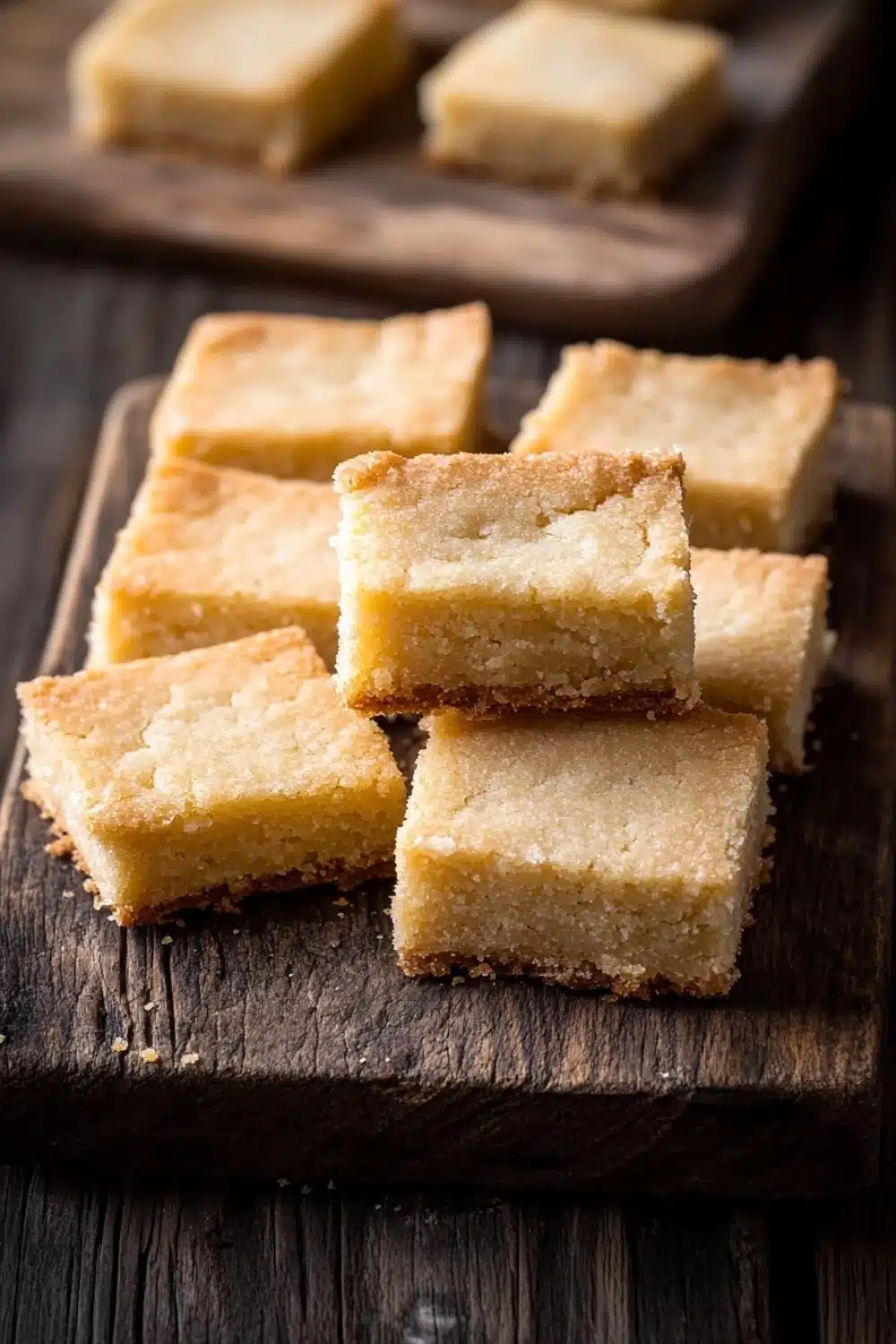
Once out of the oven, the golden edges and pale centers sang a quiet promise of crumbly tenderness. No fuss, no frills—just a classic shortbread cookie ready for a tea-dunk or an afternoon snack. The fork-pricking trick? It keeps each square from puffing up like a souffle, maintaining that signature texture we crave. It’s the kind of baked good that whispers comfort and nostalgia with every bite.
These shortbread squares are my go-to when I want to keep it old school but still wow the crowd. It’s not fancy, but it sure hits the spot every time.
If you’re craving a buttery treat, check out our guide on How to Make Perfect Shortbread Cookie Squares Every Time for the best tips and tricks.
Real Life Perks of Baking Shortbread Cookie Squares
- Quick prep—get these buttery squares ready in just 15 minutes, perfect for last-minute snack cravings or unexpected guests.
- Simple ingredients that you probably already have—no need for a fancy grocery run or exotic pantry staples.
- Great crowd-pleaser: 24 squares mean you can share some at the office, school, or family gatherings without breaking a sweat.
- Easy to store—airtight container keeps them fresh for a week, so you can nibble on a crumbly treat any time without baking daily.
- Freezer-friendly! Make a batch ahead, stash in the freezer, and pull out just what you need, no hassle, no fuss.
Shortbread Cookie Squares
Classic buttery shortbread cookie squares with a tender, crumbly texture. Perfect for tea time or a simple sweet treat.
- Prep Time: 15 minutes
- Cook Time: 25 minutes
- Total Time: 40 minutes
- Yield: 24 squares
Ingredients
1 cup unsalted butter, softened
3/4 cup granulated sugar
1/2 teaspoon pure vanilla extract
2 cups all-purpose flour
1/4 teaspoon salt
Instructions
Preheat the oven to 325°F (163°C). Line an 8-inch square baking pan with parchment paper, leaving an overhang on the sides for easy removal.
In a large mixing bowl, cream together the softened unsalted butter and granulated sugar until light and fluffy, about 3-4 minutes using an electric mixer on medium speed.
Add the pure vanilla extract and mix until combined.
In a separate bowl, whisk together the all-purpose flour and salt.
Gradually add the flour mixture to the butter mixture, mixing on low speed until just combined and a dough forms. Do not overmix.
Press the dough evenly into the prepared baking pan, smoothing the top with the back of a spoon or your fingers.
Using a sharp knife, score the dough into 24 squares, cutting all the way through to the bottom of the pan.
Prick each square several times with a fork to prevent puffing during baking.
Bake in the preheated oven for 25 minutes, or until the edges are lightly golden but the centers remain pale.
Remove from the oven and allow the shortbread to cool completely in the pan on a wire rack.
Once cooled, lift the parchment paper to remove the shortbread from the pan and cut along the scored lines to separate the squares.
Store the shortbread cookie squares in an airtight container at room temperature for up to one week.
Explore more:
Breakfast Recipes
Mastering Shortbread Cookie Squares: Swaps, Secrets & Fixes
The Butter Battle: When and How to Swap Your Fat
Butter isn’t just a player here—it’s the MVP. I’ve tried margarine and shortening, thinking they’d give me a shortcut or a different texture. Nope. Shortbread without real butter is like jazz without a saxophone—technically there but missing soul. Butter’s water content and fat profile create that tender, crumbly texture. If you must swap, use European-style butter with higher fat for more richness or coconut oil (solid, chilled) for a subtle twist, but understand the flavor and texture will shift. No sneaky liquid oils—they wreck the structure.
Why Scoring and Fork Pricks Are Non-Negotiable
Here’s the skinny: scoring the dough before baking isn’t just visual. It’s your roadmap for those perfect, uniform squares—cuts all the way through the pan. You’re telling the dough where to break. Skip this? You’ll get a crumbly mess or uneven squares that fight back. Fork pricks? They’re the unsung heroes preventing the dreaded puffing—tiny steam vents releasing trapped air. Without them, shortbread puffs up like a deflated soufflé—ugly and uneven. Trust me, these steps aren’t optional; they’re your shortbread’s GPS and escape hatch rolled into one.
Fixing the Flat, Tough, or Dry Shortbread Disaster
Ever pulled your shortbread from the oven only to find it flat as a pancake, tough as old boots, or dry enough to sandpaper your throat? Been there, done that. The culprits usually hide in these corners:
- Overmixing: When the dough turns elastic, gluten wakes up and ruins the tender crumb. Mix until just combined—stop before you think you should.
- Butter temperature: Too cold? Won’t cream properly. Too warm? Slumps and spreads. Aim for softened but still cool enough to hold shape.
- Oven heat: Too hot? Edges brown too fast, centers dry out. Too low? You get a dense, undercooked center. 325°F is the sweet spot.
- Thickness: Press dough evenly—thinner edges cook faster, thicker centers stay raw.
My go-to fix? Chill the dough for 15 minutes before pressing if it feels too soft, then bake on the middle rack for even heat. Also, patience—cool completely in the pan before cutting to avoid crumbles turning to dust.
Shortbread Cookie Squares FAQs
A: Yes, but skip adding extra salt since salted butter already contains some. It might shift the balance slightly, but your cookies will still come out tasty.
A: Fork-pricking stops the dough from puffing up like a balloon in the oven. It’s a classic move to keep that flat, crumbly texture shortbread is known for. Without it, you risk losing that signature bite.
A: You sure can, but you’ll want to swap the all-purpose flour for a gluten-free blend designed for baking. Keep in mind the texture may shift a bit — gluten-free shortbread tends to be a little less sturdy but still quite tasty.
A: Store them airtight at room temp, and they’ll keep up to one week. If you want to stash them longer, pop them in the freezer for up to 3 months. Just thaw at room temp before munching.
A: Absolutely! Just grab a 9×13 pan instead of the 8-inch. Keep an eye on baking time—start checking around 30 minutes to avoid overbaking.