
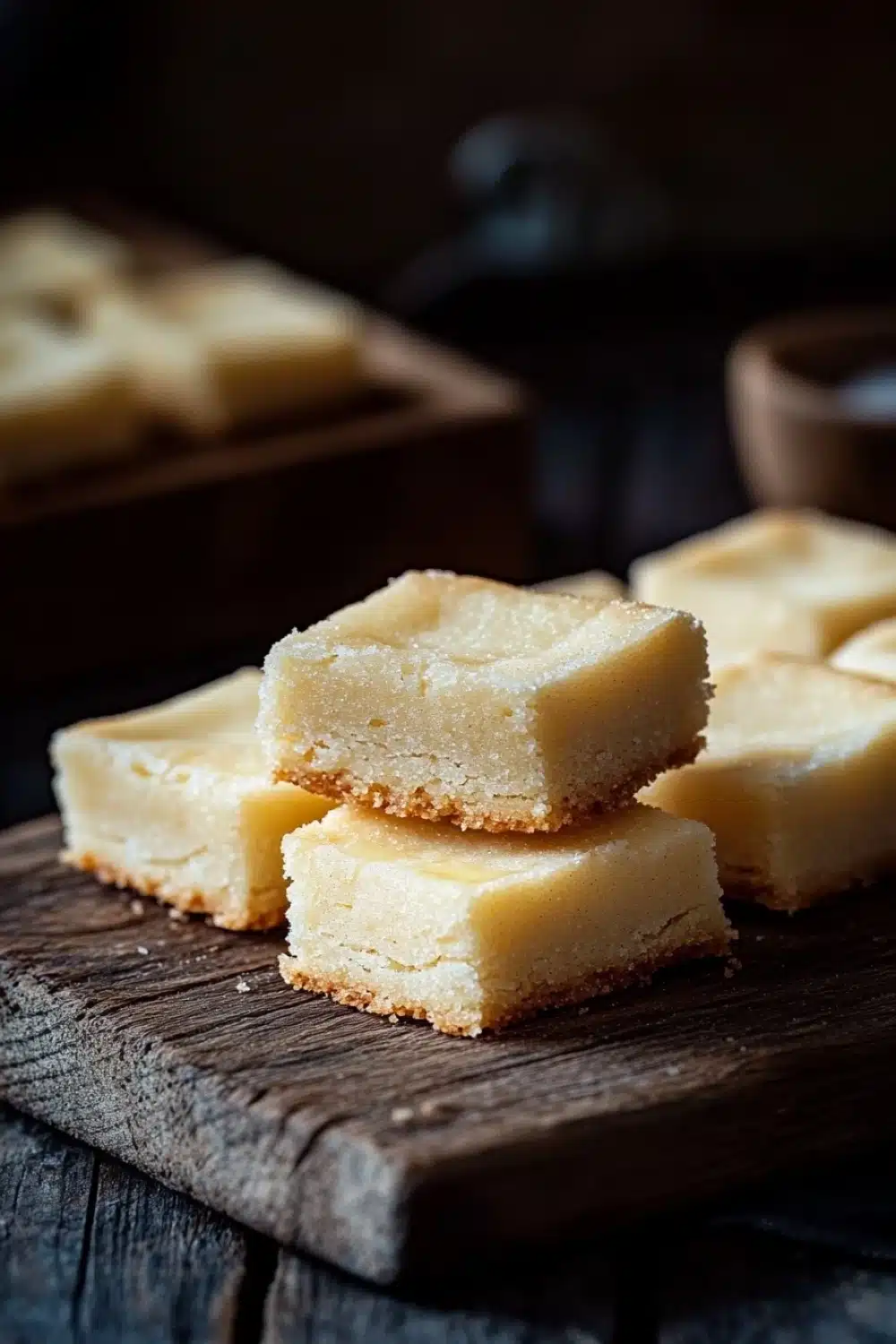
Butter in the air.
There’s something about the act of creaming butter and sugar that feels almost therapeutic—like you’re coaxing magic from simple ingredients. The kitchen is warm, the oven hums in anticipation, and I’m armed with a trusty electric mixer and a bowl of flour. Shortbread cookie squares are deceptively simple, but nailing that crisp, tender balance is an art form.
In my experience, the secret lies in patience. Pressing the dough evenly into the pan and scoring the squares before baking isn’t just for looks—it’s what keeps the texture spot on and the crumb just right. It’s a bit of old-school kitchen wisdom, the kind that has been passed down from one bake-savvy friend to another.
When the timer dings, pulling those lightly golden edges from the oven feels like uncovering a hidden treasure. One bite, and you know: this isn’t just any cookie—it’s shortbread cookie squares done right. Crisp, buttery, with that melt-in-your-mouth crumb that makes you want to reach for another.
If you’re a fan of shortbread cookie squares, you’ll definitely want to check out our guide on How to Make the Ultimate Chewy Cookie Every Time for some delicious baking tips.
Why You’ll Keep Coming Back to These Shortbread Cookie Squares
- Simple ingredients—no need to hunt down fancy stuff; your pantry’s probably got what you need.
- Perfect balance: crisp edges with a tender, crumbly bite that’s addictively good.
- Quick prep and bake time means you’re not stuck waiting forever to dig in.
- Great for gift-giving or stashing in lunchboxes—these cookies hold up well without turning into sad crumbs.
- The scoring trick? Genius! Makes portioning foolproof and keeps the squares looking sharp every time.
Shortbread Cookie Squares
Classic buttery shortbread cookie squares that are crisp, tender, and perfect for any occasion. These easy-to-make cookies have a rich, buttery flavor and a delicate crumbly texture.
- Prep Time: 15 minutes
- Cook Time: 25 minutes
- Total Time: 40 minutes
- Yield: 24 squares
Ingredients
1 cup unsalted butter, softened
3/4 cup granulated sugar
1/2 teaspoon pure vanilla extract
2 cups all-purpose flour
1/4 teaspoon salt
Instructions
Preheat the oven to 325°F (163°C). Line an 8-inch square baking pan with parchment paper, leaving an overhang on the sides for easy removal.
In a large bowl, beat the softened unsalted butter and granulated sugar together using an electric mixer on medium speed until light and fluffy, about 3-4 minutes.
Add the pure vanilla extract and mix until combined.
In a separate bowl, whisk together the all-purpose flour and salt.
Gradually add the flour mixture to the butter mixture, mixing on low speed until just combined and a soft dough forms.
Press the dough evenly into the prepared baking pan, smoothing the top with the back of a spoon or your fingers.
Using a sharp knife, score the dough into 24 squares, cutting about halfway through the dough but not all the way to the bottom.
Prick each square a few times with a fork to prevent puffing during baking.
Bake in the preheated oven for 25 minutes, or until the edges are lightly golden but the center is still pale.
Remove from the oven and allow the shortbread to cool completely in the pan on a wire rack.
Once cooled, use the parchment paper overhang to lift the shortbread out of the pan and cut fully along the scored lines to separate the squares.
Store the shortbread cookie squares in an airtight container at room temperature for up to 1 week.
Explore more:
Breakfast Recipes
Mastering the Perfect Shortbread Cookie Squares
The Butter Conundrum: Why Unsalted and Softened Is Key
Butter isn’t just an ingredient here—it’s the MVP. Using unsalted butter gives you full control over salt levels; salted butter? That’s playing roulette with flavor. Softened—not melted, not fridge-cold—is the sweet spot because it whips air into the sugar, creating that light, tender crumb. I once tried melting the butter to speed things up—big mistake. The dough turned greasy, and instead of melt-in-your-mouth, I got more of a dense brick. The lesson? Patience pays off. Softened butter folds the flour gently, letting you knead just enough to hold the dough together without toughening it. And hey, if you forget to soften? A quick 10-second zap in the microwave, but watch like a hawk or you’ll cook the butter instead.
Scoring and Fork-Pricking: The Underestimated Duo
This is where the magic happens. Before baking, scoring the dough halfway through is a clutch move—it pre-defines those perfect cookie squares, so you don’t have to wrestle with crumbly edges later. But why not cut all the way through? Because the dough needs to hold together during the bake to keep those squares neat and uniform. The fork pricking? It’s not just for show. It lets steam escape, preventing those annoying air pockets that puff up and ruin the shortbread’s flat, crisp texture. I remember the first batch I skipped this step—think puffed-up, uneven slabs that looked more like a failed pastry experiment than shortbread. Don’t skip it; your future self will thank you.
Flour Swaps and Fixing the Too-Hard or Too-Soft Dilemma
Got only cake flour? Or maybe you want a gluten-free spin? Let’s talk swaps. All-purpose flour is the standard here, striking the right balance of structure and tenderness. Cake flour can make the shortbread too crumbly—finesse it by mixing in a bit of cornstarch to mimic that classic texture. Gluten-free? A blend of rice flour and tapioca starch works, but expect a slightly different mouthfeel—more fragile, less chewy. Now, if your shortbread turns out too hard, you likely overworked the dough or baked it too long. Solution: Chill the dough before baking next time and keep a close eye on the oven—it’s a soft bake at 325°F, not a marathon. Too soft? Maybe the flour measurement was off or the butter too melty. Add a touch more flour next round and keep the butter properly softened, not liquefied. Like tuning a guitar, small tweaks make all the difference.
Shortbread Cookie Squares FAQs
Can I use salted butter instead?
Yes, but skip adding extra salt. Salted butter can throw off the delicate balance here, so keep it in check.
Why score the dough before baking?
Scoring helps portion out the cookies in advance, making cutting easier after baking without crumbling. Plus, it controls how the heat moves through the dough, preventing puffing and keeping those crisp edges just right.
Can I substitute the vanilla extract?
Of course! Vanilla is classic, but almond or lemon extract can add a fun twist. Just remember, a little goes a long way—start small and adjust to taste.
How do I keep the shortbread from getting crumbly?
Don’t overmix the dough and always let the butter soften properly before creaming. Also, pressing the dough firmly into the pan ensures it bakes into a solid, tender square instead of a pile of crumbs.
Can I make these gluten-free?
Yes and no. You can swap in a gluten-free flour blend, but results vary. Some blends make the texture too gritty or fragile. It takes a bit of trial and error to nail the crumb without wheat flour.