
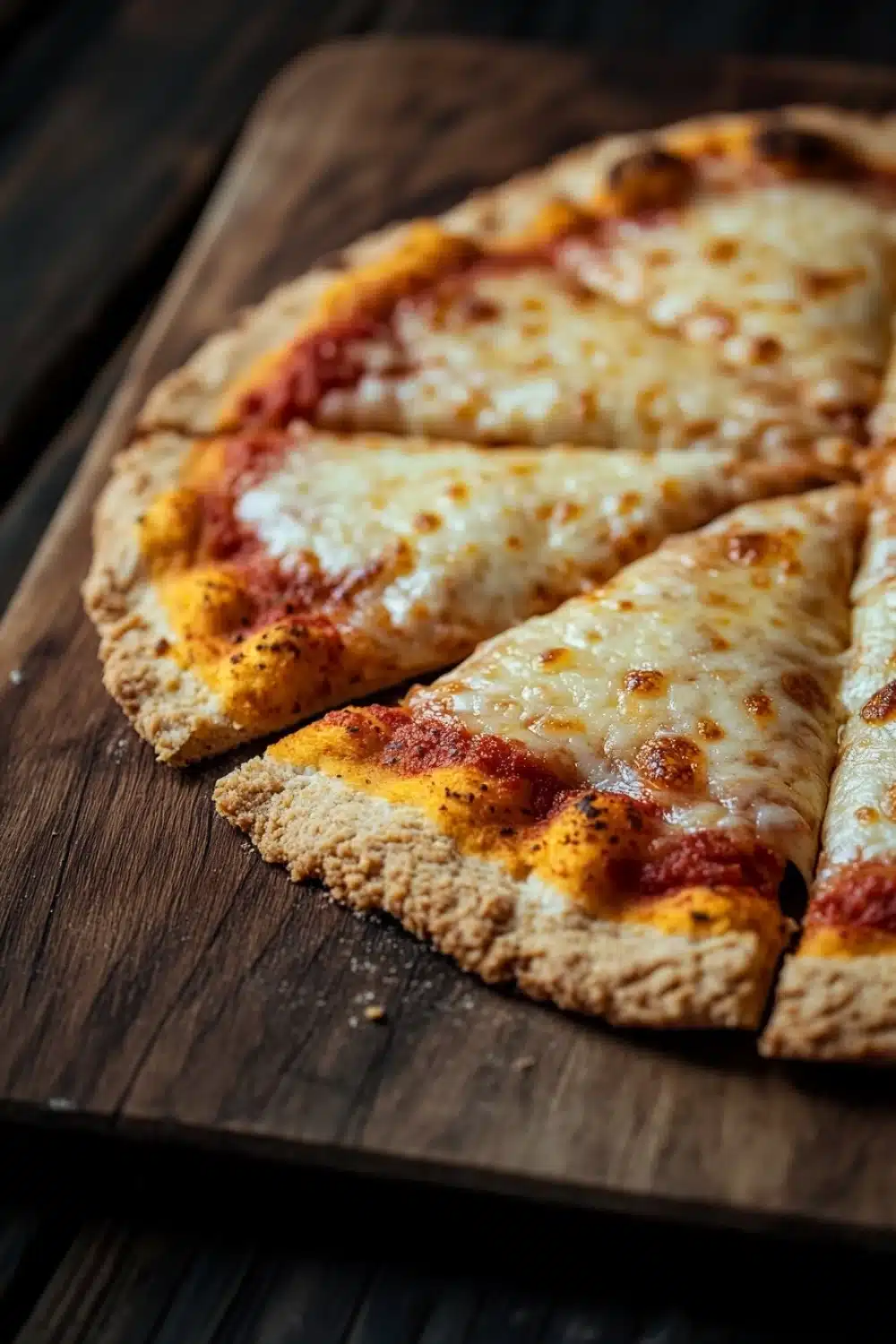
Pizza night just got a serious upgrade.
There’s something about the scent of yeast waking up in warm water—the subtle fizz and bubbles, like a promise of something good to come. That’s where the magic starts with this gluten-free pizza crust using Caputo flour. I’ve tackled my share of gluten-free dough disasters, and trust me, this blend is a game-changer—no more playing dough-roulette.
Rolling out gluten-free dough can feel like juggling wet noodles, but here’s the kicker: the Caputo gluten-free flour has a backbone that holds up under pressure—crispy edges and a tender crumb all in one bite. Toss in a splash of apple cider vinegar and a pinch of xanthan gum, and you’re in for a crust that rises like it belongs in a Naples pizzeria, not a gluten-free lab experiment.
Get ready—this isn’t your average dough mix. It’s a quick, no-fuss recipe that’s perfect for dinner, and it might just convince your gluten-eating friends to jump ship.
If you’re interested in making a delicious gluten free pizza crust Caputo for your Detroit style pizza, this guide will walk you through the process step-by-step.
Real Life Benefits of Gluten-Free Pizza Crust with Caputo Flour
- Enjoy pizza night without the gluten crash—this crust lets you dive in without worry.
- The dough’s quick 30-minute rise means less waiting, more eating. Perfect for a weeknight fix.
- Caputo gluten-free flour blend offers a texture that’s crispy outside and tender inside—no cardboard vibes here.
- Leftovers? No sweat. The dough stores well in the fridge or freezer, ready to spring back to life whenever pizza cravings hit.
- Plus, apple cider vinegar adds a subtle tang that keeps the crust from being flat and boring—think of it as the secret sauce within your dough.
Gluten-Free Pizza Crust with Caputo Flour

A delicious and crispy gluten-free pizza crust made using Caputo gluten-free flour blend. Perfect for those who want the authentic pizza experience without gluten.
- Prep Time: 15 minutes
- Cook Time: 15 minutes
- Total Time: 30 minutes
- Yield: 2 (12-inch pizzas)
Ingredients
2 1/4 teaspoons active dry yeast (one 7g packet)
1 1/4 cups warm water (110°F/43°C)
1 tablespoon granulated sugar
2 cups Caputo gluten-free flour blend
1 teaspoon xanthan gum
1 teaspoon baking powder
1 teaspoon salt
1 tablespoon olive oil, plus extra for greasing
1 teaspoon apple cider vinegar
Instructions
In a small bowl, combine the warm water, active dry yeast, and sugar. Stir gently and let sit for 5 to 10 minutes until foamy.
In a large mixing bowl, whisk together the Caputo gluten-free flour blend, xanthan gum, baking powder, and salt.
Add the olive oil and apple cider vinegar to the yeast mixture once it is foamy.
Pour the wet ingredients into the dry ingredients and mix with a wooden spoon or dough hook attachment on a stand mixer until a smooth dough forms. The dough will be slightly sticky but manageable.
Lightly grease a large bowl with olive oil and place the dough inside. Cover with a clean kitchen towel or plastic wrap and let it rise in a warm place for 30 minutes.
Preheat your oven to 475°F (245°C). If you have a pizza stone, place it in the oven to heat as well.
Divide the dough into two equal portions. On a piece of parchment paper lightly dusted with gluten-free flour, roll out each portion into a 12-inch circle.
Transfer the rolled dough on the parchment paper to a baking sheet or pizza peel if using a stone.
Add your desired gluten-free pizza toppings.
Bake in the preheated oven for 12 to 15 minutes, or until the crust is golden and crisp.
Remove from the oven and let cool for 3 to 5 minutes before slicing and serving.
Explore more:
Dinner Recipes
Mastering Gluten-Free Pizza Crust with Caputo Flour
The Yeast Beast and Why It Matters
Getting the yeast right in gluten-free dough is like hitting the jackpot. Yeast is the little powerhouse that helps the dough rise and develop that airy, chewy texture you crave. But here’s the kicker—gluten-free flours don’t behave like wheat. They lack gluten’s stretchy magic, so the yeast’s job is tougher. That’s why using active dry yeast and proofing it in warm water with sugar is crucial. The sugar feeds the yeast, waking it up from its slumber. When you see that foamy layer on top, you know the yeast is alive and kicking. Skip this step, and your dough might turn into a sad, dense pancake instead of a pizza base with character. Also, adding apple cider vinegar? Not just a random splash. It helps with dough elasticity and enhances the flavor profile, giving your crust a slight tang that cuts through the richness of toppings like a pro. Trust me—I’ve seen too many crusts fall flat because of slack yeast activation. Don’t be that guy.
The Flours, Gum, and Powder Dance—A Rollicking Trip Through Dough Chemistry
Caputo gluten-free flour blend is the MVP here. It’s a balanced team of rice flour, potato starch, and tapioca—each playing its part. But it’s not just about flour; xanthan gum is the unsung hero. Imagine it as the glue that holds everything together since gluten is MIA. It gives that chew and stretch, preventing your dough from crumbling like grandma’s old cookie. Baking powder sneaks in to give a little puff—think of it as the backup dancer that lifts the crowd during the big number. Salt? It’s the flavor anchor, but beware—the wrong amount can kill the punch. Mixing these dry ingredients thoroughly before adding wet stuff is like setting the stage for a well-rehearsed show. Don’t rush it. I’ve learned over time that skipping the gum or mismeasuring flour turns your crust into either a tough brick or a crumbly mess. Precision is your friend here.
When Things Go Sideways: Salvaging Dough Disasters
Ever rolled out your gluten-free dough only to have it crack and crumble like burnt toast? Been there, done that. The fix often lies in hydration and patience. If the dough feels too dry or brittle, drizzle a teaspoon of water and knead gently—it’s like giving your dough a pep talk. Sticky dough? Dust your surface lightly but don’t go overboard; too much flour is a crust killer. Overproofing? It happens when your dough bubbles up too long, turning fragile and prone to collapse. The trick is to keep an eye on your dough during the rise—30 minutes is a sweet spot. If you spot cracks while shaping, a quick spray of water or a swipe of olive oil on your hands works wonders. Also, the temperature is everything: too cold, and the dough won’t rise; too hot, you might kill the yeast. I once left my dough in a drafty kitchen and paid the price with a flat crust—lesson learned the hard way. Remember, gluten-free baking is less about brute force and more about finesse and feeling the dough’s vibe.
Gluten-Free Pizza Crust: Your Top Questions Answered
Is Caputo gluten-free flour really the best for pizza dough?
Caputo’s blend nails that chewy yet crispy crust texture we all crave. It’s not just about being gluten-free; it’s about tasting like the real deal. Trust me—this flour blend is a game-changer if you want to ditch gluten without losing pizza soul.
Can I make the dough ahead and freeze it?
Absolutely! Wrap it tight and stash it in the freezer for up to a month. When you’re ready, thaw overnight in the fridge and you’re good to go.
Do I really need xanthan gum?
Yes. It’s the MVP for binding in gluten-free baking. Skip it, and you’re left with crumbly, sad dough that won’t hold its shape or spring back like this recipe promises.
Any tips for getting that perfect crisp crust?
Preheat your oven—and pizza stone if you have one—to a blazing 475°F. The secret? High heat and a hot surface give that satisfying crackle you want every pizza lover chasing.
Can I use this dough for other gluten-free flatbreads?
Yes and no. This dough’s designed for a thin, crisp crust. It works well for flatbreads, but if you want thicker or fluffier bread, consider tweaking hydration or rising times.