
Let’s get doughy.
There’s something about rolling out pizza dough that pulls me back to my first kitchen fiasco—flour everywhere, hands sticky as glue, but that unmistakable buzz of excitement in the air. Homemade pizza isn’t just about tossing toppings on a flatbread; it’s a ritual filled with anticipation and a little bit of kitchen chaos.
When I talk about homemade pizza ingredients, I’m not just listing staples—I’m talking about the backbone of that golden crust, the tangy tomato sauce that sings, and the ooey-gooey mozzarella that stretches with every pull. Trust me, skipping on the right yeast or using just any cheese? Rookie moves. You want that crust with a crackle that snaps, sauce that’s kissed with oregano and garlic, and cheese that bubbles up like a champ.
So, grab your mixing bowl and your patience — this pizza night is going to be a home-run touchdown, no take-backs.
For those interested in perfecting their baking skills, check out our guide on Mastering the Art of a Chewy Cookie Base for Soft, Tender Treats to complement your homemade pizza ingredients.
Real-Life Perks of Making Homemade Pizza
- Fresh dough means you control every crumb—no mysterious preservatives lurking around.
- It’s a total game-changer for family nights—everyone can slap on their favorite toppings and get involved.
- Quick turnaround: from mixing to munching in under 40 minutes—perfect for whipping up dinner when you’re running on empty.
- Leftovers? No worries—pizza reheated in the oven keeps that crispy crust intact, way better than the microwave sad-soggy vibe.
- Custom spice blends let you dial up the heat or keep it mild—perfect if you’re feeding a mixed crowd, no drama.
Homemade Pizza

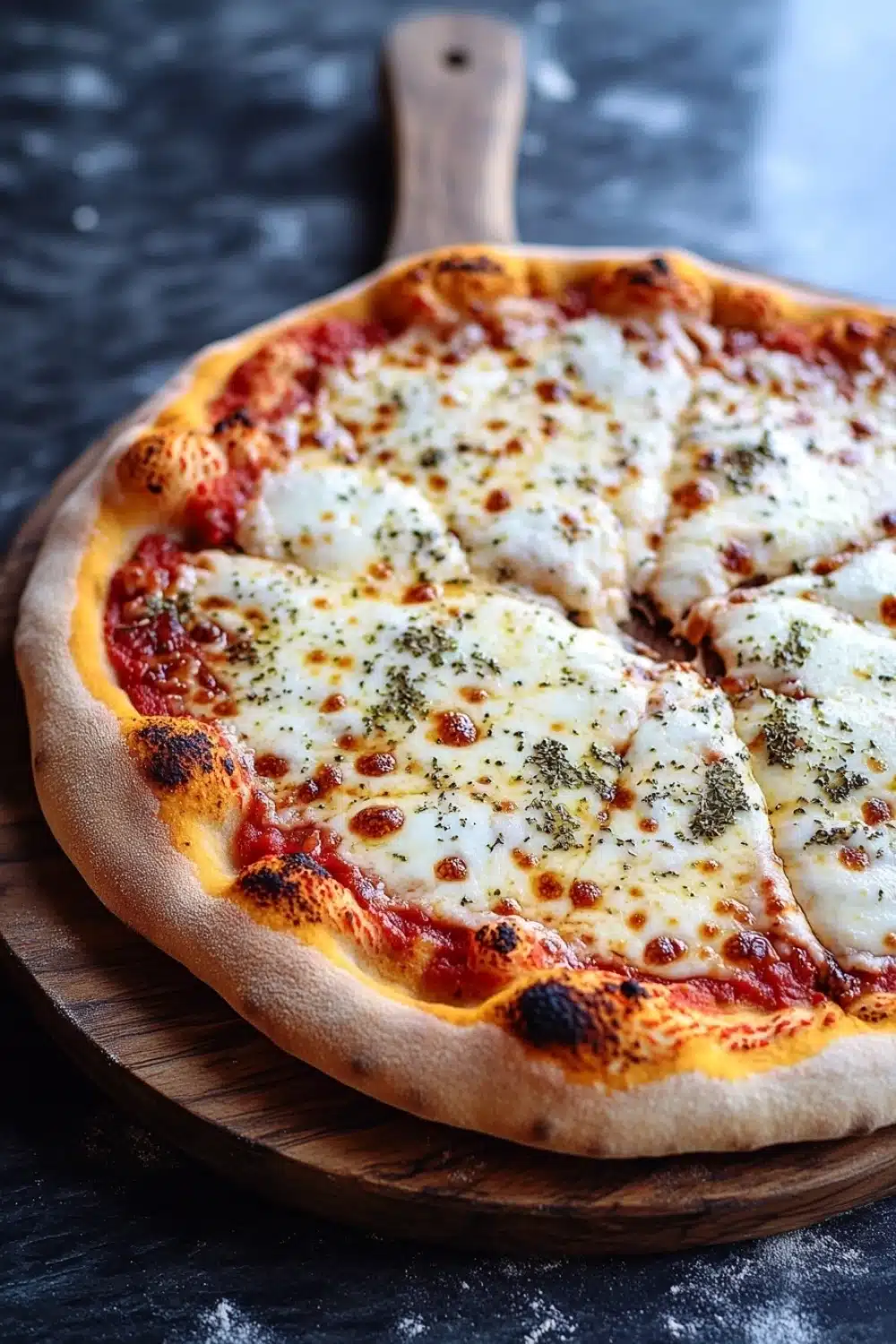
A classic homemade pizza recipe featuring a crisp crust, flavorful tomato sauce, and melted mozzarella cheese. Customize with your favorite toppings for a perfect pizza night.
- Prep Time: 20 minutes
- Cook Time: 15 minutes
- Total Time: 35 minutes
- Yield: 4
Ingredients
2 1/4 teaspoons active dry yeast (1 packet)
1 1/2 cups warm water (110°F/45°C)
3 1/2 cups all-purpose flour
2 tablespoons olive oil
1 teaspoon sugar
1 teaspoon salt
1/2 cup tomato sauce
8 ounces shredded mozzarella cheese
1 teaspoon dried oregano
1/2 teaspoon garlic powder
1/4 teaspoon crushed red pepper flakes
Instructions
In a small bowl, dissolve the active dry yeast and sugar in warm water. Let it sit for 5-10 minutes until foamy.
In a large mixing bowl, combine the all-purpose flour and salt.
Make a well in the center of the flour mixture and add the yeast mixture and olive oil.
Mix until a dough forms, then knead on a lightly floured surface for about 8-10 minutes until smooth and elastic.
Place the dough in a lightly oiled bowl, cover with a clean kitchen towel, and let it rise in a warm place for 1 hour or until doubled in size.
Preheat the oven to 475°F (245°C).
Punch down the dough and divide it into two equal portions for two pizzas or keep whole for one large pizza.
Roll out the dough on a floured surface to your desired thickness and shape.
Transfer the rolled dough to a baking sheet or pizza stone.
Spread the tomato sauce evenly over the dough, leaving a small border around the edges.
Sprinkle the shredded mozzarella cheese evenly over the sauce.
Sprinkle dried oregano, garlic powder, and crushed red pepper flakes over the cheese.
Bake in the preheated oven for 12-15 minutes or until the crust is golden and the cheese is melted and bubbly.
Remove from the oven, let cool for a few minutes, slice, and serve.
Explore more:
Dinner Recipes
Mastering Homemade Pizza: Tricks, Swaps, and Fixes
The Yeast That Sets the Stage
Let’s get real—yeast isn’t just some magical dust; it’s the heartbeat of your dough. I’ve seen plenty of hopeful pizza makers dump yeast into water that’s either scalding or chilly as a winter morning, killing the party before it starts. The tip? Aim for that cozy 110°F (45°C) sweet spot—warm enough to wake the yeast, not roast it alive. If your mixture goes flat (literally no foam), your yeast is a goner, or the water’s off. Swap active dry yeast for instant yeast if you’re in a rush—no need to bloom it first, just mix it with the flour and keep rolling. But heads-up: your dough might rise faster, so keep an eye. Remember, yeast wants to party, but on your terms.
Swapping Ingredients Without Sabotage
Here’s where the real kitchen jazz happens. Out of all-purpose flour? Don’t sweat it—bread flour is your dough’s best wingman; it pumps up gluten and gives you that chew and spring that all pizza snobs crave. Whole wheat flour? Sure, but toss in a cup at most, or your crust turns into a brick factory. Olive oil is non-negotiable in my book—it keeps the crust tender and gives you that slight golden kiss. Tomato sauce? If you’re feeling frisky, swap for crushed San Marzano tomatoes, seasoned lightly with salt and fresh basil. Mozzarella is king, but mixing in provolone or fontina? Game changer for melty stretch and flavor depth. Spice it up with freshly cracked black pepper or swap the dried oregano for fresh—both totally shift the vibe. Pro tip: Always keep your ingredient swaps within the realm of balance; too much twist and you’ve lost your pizza mojo.
Fixing Pizza Fails: When Your Crust Goes Rogue
Crust too soggy? No one wants a floppy bottom that folds like a wet napkin. This happens when your sauce is too watery or the oven isn’t hot enough. Solution? Strain that sauce or simmer it longer to thicken. Also, slapping your pizza on a stone or preheated baking sheet traps heat, giving you that snap-crackle crust every time. If your crust’s rock-hard, you probably overbaked or rolled it paper-thin (unless that’s your style). Next round, dial back the oven time by a couple of minutes or roll a tad thicker. And if your dough won’t rise? Patience, my friend—some kitchens are cold zones. Find a warm spot—top of the fridge, near a heater, or inside the oven with the light on—and give it time. The yeast will catch up, I promise. Pizza making’s a dance of trial and error—embrace the flops as much as the hits.
Homemade Pizza FAQ
Can I use instant yeast instead of active dry yeast?
Yes, you can! Instant yeast works faster and doesn’t need to be dissolved in warm water first. Just mix it straight into the flour and reduce the rising time accordingly.
What’s the secret to a crispy crust?
It’s all about the heat and your surface. Preheat your oven to the max (475°F or higher if possible) and use a pizza stone or heavy baking sheet. The hot surface gives the dough a quick blast of heat, creating that coveted crunch without drying out the inside.
How do I store leftover pizza without it getting soggy?
Keep it airtight in the fridge, but here’s the trick: when reheating, skip the microwave. Instead, pop the slices in a preheated oven at 375°F for 8-10 minutes. The crust stays crispy, cheese melts perfectly, and you avoid that dreaded floppy bottom.
Can I add other toppings before baking?
Absolutely. Toss on anything you like—pepperoni, veggies, or even pineapple if you’re feeling wild. Just remember some toppings release moisture, so balance is key to avoid a soggy mess.
Is this recipe good for beginners?
Definitely! The instructions are straightforward, and the dough is forgiving. I remember my first attempt was a bit wonky, but homemade pizza is such a fun project—make it your own, don’t sweat the small stuff.