
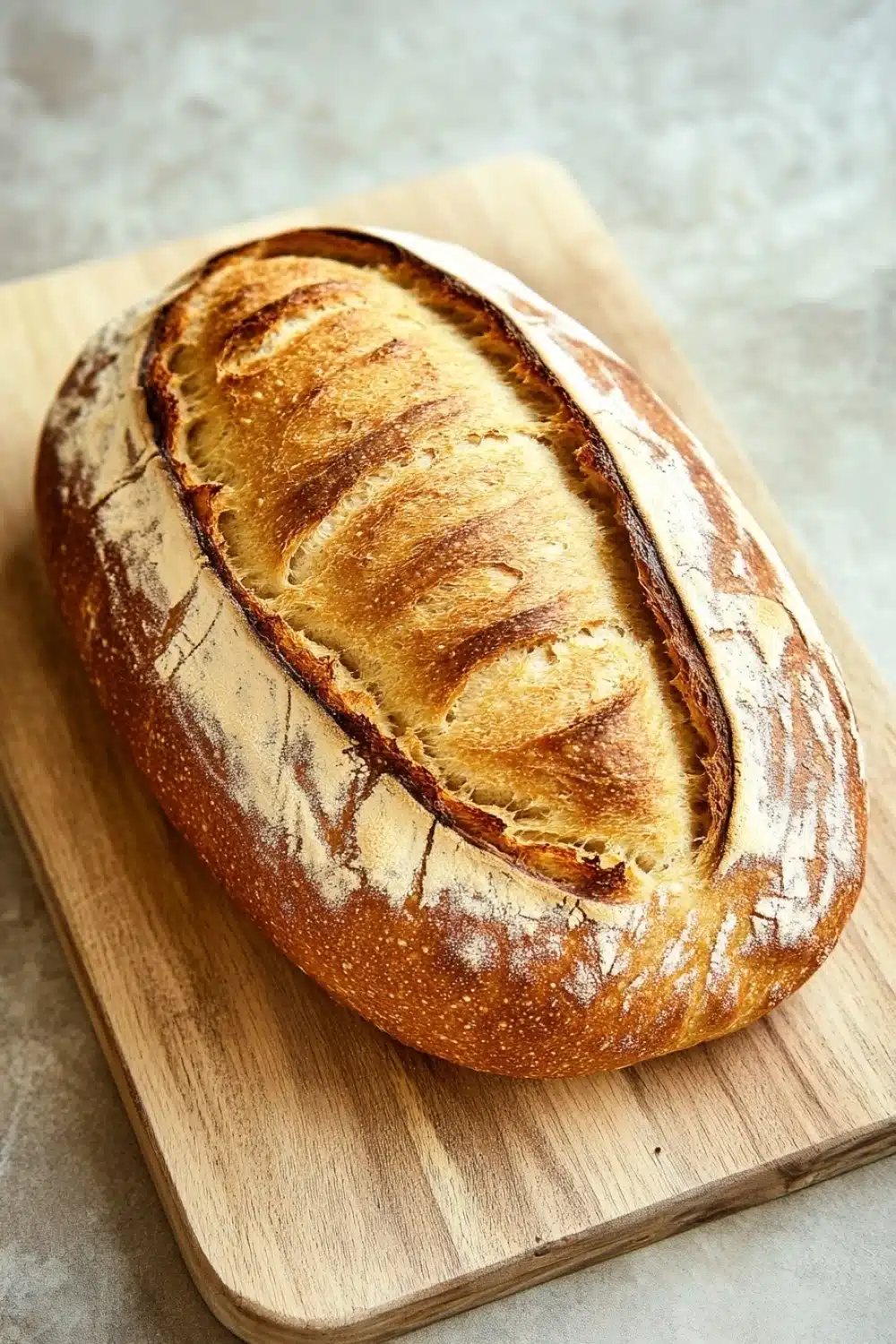
Yeast magic in motion.
There’s something primal about bread rising in your kitchen—a slow, rhythmic process that draws you in. I’ve always found the simple act of mixing warm water with Red Star Rise yeast to be oddly hypnotic. That foamy bloom signals life, a promise of the soft, pillowy loaf to come.
As the dough takes shape under my hands, sticky yet forgiving, I’m reminded of why I prefer homemade bread to any store-bought loaf. It’s not just about taste; it’s the tactile dance—the slap and fold, the quiet waiting, the small victory in punching it down. This bread has soul.
With a golden crust that crackles under your fingertips and a crumb soft enough to sigh over, this recipe nails the loaf that makes every sandwich sing and every slice worth savoring. Red Star Rise yeast isn’t just a starter—it’s the secret behind a kitchen buzz worth chasing.
For those interested in baking, check out our guide on Essential Homemade Pizza Ingredients for the Perfect Crispy Crust to learn how to use red star rise yeast bread for amazing results.
Real Life Benefits of Baking with Red Star Rise Yeast
- Soft, fluffy bread that stays fresh longer—perfect for making sandwiches that don’t fall apart by lunch.
- Simple prep with just 15 minutes active time—giving you more moments to chill before the oven does its magic.
- Yeast that reliably foams and rises even in slightly cooler kitchens, cutting down the headache of failed dough.
- Golden crust that’s just the right crunch—no need for fancy toppings to make your toast sing.
- Freezing friendly loaf: bake once, enjoy multiple times. Just thaw and slice when hunger strikes.
Red Star Rise Yeast Bread

A classic homemade yeast bread recipe using Red Star Rise yeast for a soft, fluffy loaf with a golden crust. Perfect for sandwiches, toast, or enjoying fresh from the oven.
- Prep Time: 15 minutes
- Cook Time: 30 minutes
- Total Time: 1 hour 45 minutes
- Yield: 12 slices
Ingredients
1 cup warm water (110°F to 115°F)
2 1/4 teaspoons Red Star Rise active dry yeast (one 0.25-ounce packet)
2 tablespoons granulated sugar
3 cups all-purpose flour
1 teaspoon salt
2 tablespoons unsalted butter, melted
Instructions
In a large mixing bowl, combine warm water, Red Star Rise yeast, and sugar. Stir gently and let sit for 5 to 10 minutes until the mixture is foamy.
Add the melted butter and salt to the yeast mixture and stir to combine.
Gradually add the flour, one cup at a time, stirring with a wooden spoon or dough hook attachment until a soft dough forms.
Turn the dough out onto a lightly floured surface and knead for 8 to 10 minutes until smooth and elastic. Add small amounts of flour if the dough is too sticky.
Place the dough in a lightly greased bowl, cover with a clean kitchen towel or plastic wrap, and let it rise in a warm, draft-free place for about 1 hour or until doubled in size.
Punch down the dough to release air bubbles and shape it into a loaf.
Place the shaped dough into a greased 9×5-inch loaf pan. Cover and let rise for another 30 minutes until it has risen about 1 inch above the pan.
Preheat the oven to 375°F (190°C).
Bake the bread for 25 to 30 minutes until the crust is golden brown and the loaf sounds hollow when tapped.
Remove the bread from the oven and let it cool in the pan for 10 minutes.
Transfer the bread to a wire rack to cool completely before slicing.
Explore more:
Breakfast Recipes
Mastering Red Star Rise Yeast Bread: Tricks, Swaps, and Troubleshooting
The Yeast That’s More Than Just a Leavening Agent
Red Star Rise yeast isn’t your run-of-the-mill packet. It’s like the fast lane on the bread-making highway—kickstarting your dough’s rise with a more reliable puff that even rookie bakers can count on. I remember the first time I tossed this yeast into warm water with sugar and witnessed that bubbly foam pop up in less than 10 minutes—it’s like the yeast was yelling, “Let’s get this bread!” If you’re ever tempted to skip the proofing step or use water that’s too hot, don’t. The yeast’s a delicate beast: too hot, and it’s toast before it even starts; too cold, and it’s a sluggish slug that won’t raise a finger. The sugar isn’t just sweet talk, either—it feeds the yeast to get that rise going. If you’re in a pinch and out of active dry yeast, instant yeast can slide in smoothly, but expect a slightly different proofing dance—instant skips the foam show and goes straight to work.
Butter or Oil? Flour or Whole Wheat? Ingredient Swaps Without Losing Your Mind
Swapping ingredients can feel like walking a tightrope—one wrong step and your loaf’s flop city. But here’s the skinny: butter lends that tender crumb and a subtle richness that oil just can’t mimic. Melted butter mixed into the dough is where softness gets real cozy, while oil tends to give you a moister but sometimes denser slice. If you’re eyeing a healthier twist, swapping half the all-purpose flour for whole wheat adds nuttiness and chewiness, but beware—whole wheat drinks up moisture faster, so you might need to bump up the water by a tablespoon or two to stop the dough from turning into a brick. If you don’t have unsalted butter, salted’s fine but cut back on the added salt in the recipe. And speaking of salt, don’t skimp—it’s the unsung hero that tightens gluten strands and balances flavors. Been there, done that: forgot salt once and the loaf tasted like a bland cloud.
When Your Dough Throws a Tantrum: Fixing Common Fails
Sticky dough? Add flour—slowly and sparingly. Too dry and crumbly? Splash in warm water, a teaspoon at a time. Patience is key. If your dough refuses to rise, check your yeast’s expiry date—dead yeast is useless yeast. Also, keep that dough in a warm spot; cold drafts will send it into hibernation. I once left my rising dough near an open window in winter and came back to a sad, stubborn lump that wouldn’t puff up—not fun.
Overproofed bread? If the dough’s risen way beyond the expected doubles and feels loose, it can collapse in the oven or end up gummy. Best fix: punch it down firmly to expel gas, reshape quickly, and give it a shorter second rise. Then bake with a keen eye—sometimes a slightly earlier oven entry saves the day.
Finally, if your crust comes out pale or tough, crank the oven temp by 10-15°F next time or bake a bit longer, but watch closely to avoid drying out. And a quick spritz of water on the loaf before baking can help that crust get just right—crispy, golden, with a slight snap.
Red Star Rise Yeast Bread FAQs
A: Nope! Anything hotter than 115°F can kill the yeast, turning your dough into a sad, flat mess. Stick to lukewarm—think bath-water temp.
A: Not always. Kneading builds gluten, so if your dough feels elastic and smooth before 10 minutes, you’re golden. Under-kneaded dough leads to dense bread; over-kneading can make it tough. I like to watch and feel, not just clock-watch.
A: Yes, but it will change the crumb and flavor a bit. Butter gives richness and a soft crust; oil tends to make the loaf moister but less tender on the outside.
A: Absolutely! Punching down releases trapped gas bubbles, which helps create a finer crumb and prevents huge air pockets that can wreck your slice.
A: Yes! Wrap it up tight first. Thaw it at room temp and toast slices for best results—straight from the freezer to toaster is a morning win.