
Chocolate craving? Sorted.
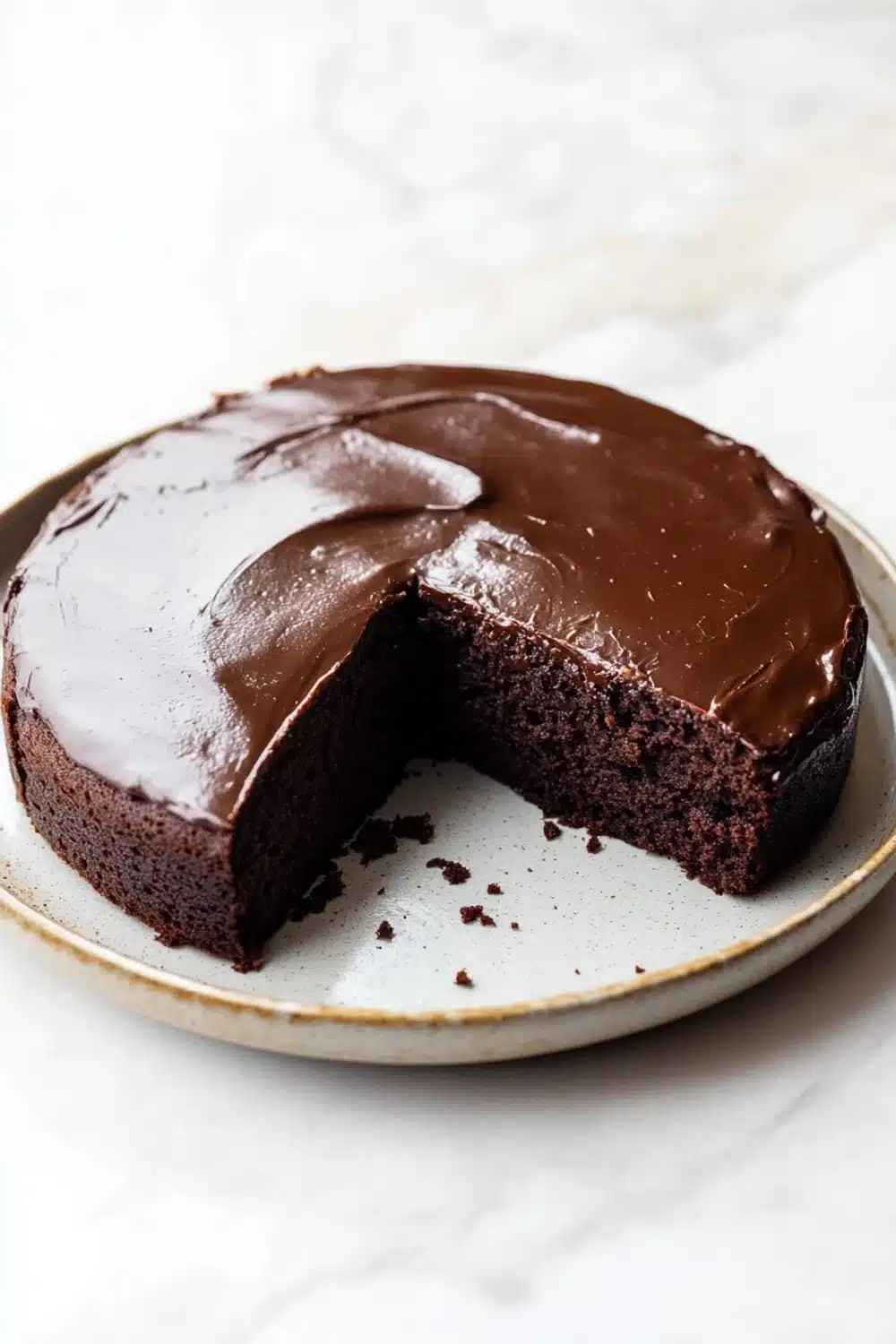
There’s something almost zen about making a Japanese chocolate cake. The process is less about slamming ingredients together and more a careful ballet—egg whites whipped to stiff peaks, cocoa gently folded in, air carefully coaxed into every fold. I remember the first time I tried this recipe; the kitchen felt alive, as if the batter itself was breathing and swelling with promise.
What sets this apart from your everyday chocolate cake? It’s the texture. Light as a feather, yet packed with a deep chocolate punch. No dense blocks here—just a cake that melts in your mouth, leaving a whisper of subtle sweetness on your tongue. It’s not just a dessert; it’s a conversation starter at any gathering, a humble showstopper.
When I slice into this cake, the crumb is so delicate it practically quivers under the knife. And that, my friends, is how you know you’ve nailed the fluff factor. A true wagashi-inspired treat that respects simplicity but packs a punch—Japanese chocolate cake is the kind of bake that turns the everyday into something memorable.
If you’re craving a delicious chocolate cake Japanese style, this recipe is perfect for creating a light and fluffy treat at home.
Why You’ll Actually Love This Japanese Chocolate Cake
- Feather-light texture means you can savor every bite without feeling weighed down—goodbye, dense chocolate bricks.
- Whipping egg whites to stiff peaks? It’s not just fancy fluff—this trick traps air, giving the cake that legendary melt-in-your-mouth crumb.
- Perfect for last-minute guests: prep and bake in under an hour. When life throws curveballs, this cake’s got your back.
- The subtle sweetness lets the cocoa shine—no need for heavy frostings or sugar overload.
- Storing it right is a no-brainer: room temp for a couple days or fridge it for longer. Just remember, bring it back to life by warming before serving.
Japanese Chocolate Cake
A light and fluffy Japanese chocolate cake with a delicate texture and rich chocolate flavor. This cake is perfect for any occasion and features a melt-in-your-mouth crumb with a subtle sweetness.
- Prep Time: 20 minutes
- Cook Time: 35 minutes
- Total Time: 55 minutes
- Yield: 8
Ingredients
120 grams all-purpose flour, sifted
50 grams unsweetened cocoa powder, sifted
1 teaspoon baking powder
1/4 teaspoon salt
6 large eggs, separated
150 grams granulated sugar, divided
60 milliliters whole milk
60 milliliters vegetable oil
1 teaspoon vanilla extract
1/4 teaspoon cream of tartar
Instructions
Preheat the oven to 170°C (340°F). Grease and line an 8-inch (20 cm) round cake pan with parchment paper.
In a medium bowl, sift together the all-purpose flour, unsweetened cocoa powder, baking powder, and salt. Set aside.
In a large bowl, whisk the egg yolks with 75 grams of granulated sugar until the mixture becomes pale and slightly thickened.
Add the whole milk, vegetable oil, and vanilla extract to the egg yolk mixture and whisk until combined.
Gradually fold the sifted dry ingredients into the wet mixture using a spatula until just combined. Do not overmix.
In a separate clean bowl, beat the egg whites with an electric mixer until foamy. Add the cream of tartar and continue beating.
Gradually add the remaining 75 grams of granulated sugar to the egg whites while beating until stiff peaks form.
Gently fold one-third of the beaten egg whites into the chocolate batter to lighten it. Then fold in the remaining egg whites carefully until fully incorporated, maintaining as much air as possible.
Pour the batter into the prepared cake pan and smooth the top.
Bake in the preheated oven for 30 to 35 minutes, or until a toothpick inserted into the center comes out clean.
Remove the cake from the oven and let it cool in the pan for 10 minutes. Then transfer it to a wire rack to cool completely before serving.
Explore more:
Lunch Recipes
Mastering Japanese Chocolate Cake: Tips, Tricks & Fixes
The Magic Behind the Fluff: Why Egg Whites Matter
This cake’s light-as-air texture isn’t magic—it’s all about the egg whites. When you separate those six eggs, you’re setting the stage for a cloud-like crumb that melts on your tongue. Whipping the whites with cream of tartar until stiff peaks form? That’s no joke. It’s the key to trapping air, giving this cake its signature lift without the heaviness of butter or heavy creams. But here’s the catch: fold those whites in gently. You want to keep that precious air intact. Overmixing? That’s the kiss of death—your cake falls flat, more like a sad pancake.
Ingredient Hacks: Swap Without Sacrifice
Sometimes, you’re all out of whole milk or vegetable oil, or maybe you want to put your own spin on this Japanese classic. No sweat. For the milk, try almond or oat milk—just keep it unsweetened to avoid messing with the cake’s subtle sweetness. The oil? Light olive oil or melted coconut oil get the job done, but beware—they bring their own personalities. Coconut oil whispers a tropical vibe, while olive oil adds a grassy note that some might find funky. Don’t swap the eggs—they’re the MVPs of this recipe, especially those whites.
When Things Go Sideways: Troubleshooting Common Cake Fails
Ever pulled your cake out, only to find a dense, rubbery texture or a sunken center? Been there. Here’s the scoop:
- Dense Cake: Usually from overmixing once flour hits the batter or deflating the egg whites. Fold with kid gloves.
- Sunken Middle: Your oven might be running hot. Dial down the temp by 5-10°C next time, and avoid opening the door mid-bake—no peeking, I tell you!
- Bitter Taste: Using too much cocoa powder or cheap brands can cause bitterness. Stick to good quality cocoa and measure carefully.
Also, parchment paper is your best mate. It prevents sticking and helps the cake rise evenly. Don’t skip it.
Japanese Chocolate Cake FAQ
Absolutely—it’s all about folding the egg whites gently to keep that airy texture intact. The batter bounces back like a sponge when done right.
You could, but it changes the texture and moisture level. Vegetable oil keeps the cake tender and moist without weighing it down, so I recommend sticking with the original unless you want a denser crumb.
At room temperature, it’s good for 2 days if you stash it in an airtight container. Pop it in the fridge wrapped tight, and it stretches up to 5 days. But trust me, don’t skip bringing it back to room temp — cold cake kills the texture.
Yes, it’s the secret MVP. It stabilizes those egg whites, helping them hold stiff peaks and keeping your cake springy instead of flat.
Short answer: No. The cake’s delicate crumb relies on the gluten structure from all-purpose flour. You’d need to experiment with a blend of gluten-free flours plus binders like xanthan gum, but results will vary.