
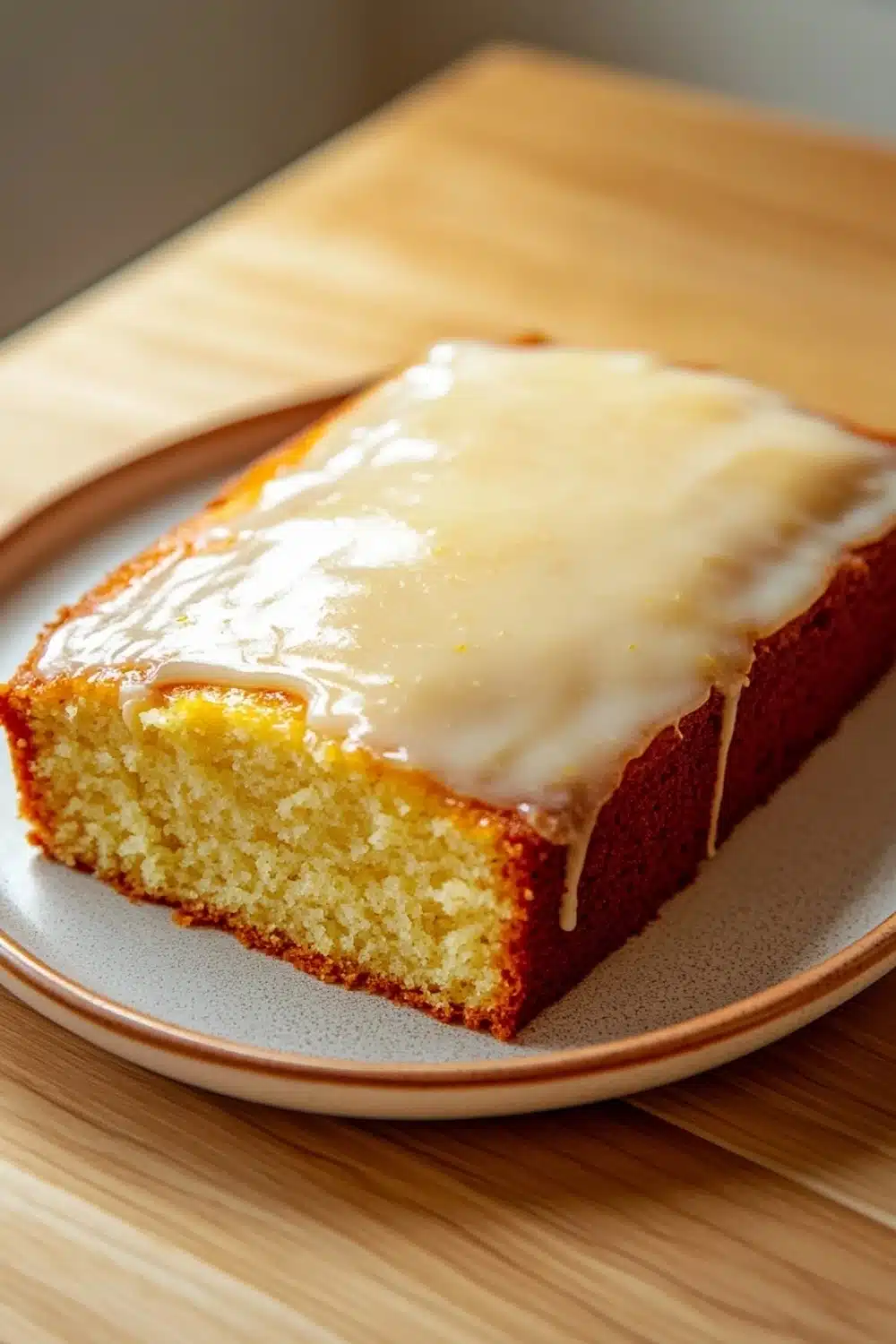
Let’s get zesty.
The kitchen smells like sunshine caught in a pan—bright lemons, sugar, butter, and that unmistakable hum of an electric mixer at work. It’s one of those days where the oven becomes the heart of the house, radiating warmth and the promise of something sweet and tangy. I’m talking about a lemon cake that isn’t just any cake. This 9 x 13 lemon cake is a game changer when it comes to crowd-pleasing desserts.
What I love most? The way the batter comes together—creamy butter and sugar whipped to cloud-like fluff, then folded with fresh lemon zest and juice that punch you awake. No soggy bottom here. Baking it in a large pan means it’s perfect for parties or a casual family Sunday, where everyone reaches for seconds without shame.
And then there’s the glaze—simple, tart, and slicked over the warm cake like a glossy finish on a vintage car. It’s that last lick of lemon magic that makes each bite sing with just the right amount of pucker. Trust me, this cake hits the spot every single time.
If you’re a fan of citrusy treats, you’ll love our Bright and Moist Lemon Muffin Bread for Breakfast Bliss as much as a classic 9 x 13 lemon cake.
Real Life Perks of the 9×13 Lemon Cake
- Feeds a crowd effortlessly—perfect for potlucks, office parties, or family get-togethers without breaking a sweat.
- The tangy lemon punch wakes up your taste buds, cutting through the usual heavy dessert gloom like a breath of fresh air.
- Easy to prep in under an hour, meaning more time to chill with friends instead of slaving over the oven.
- Storage is a breeze—whether you stash it on the counter for quick grabs or refrigerate for up to five days, it keeps its charm.
- That simple lemon glaze? It’s the kind of no-fuss touch that makes you look like a kitchen wiz, even if you’re just winging it.
9×13 Lemon Cake

A moist and tangy lemon cake baked in a 9×13-inch pan, perfect for gatherings and celebrations. This cake features a bright lemon flavor with a tender crumb and a simple lemon glaze.
- Prep Time: 20 minutes
- Cook Time: 35 minutes
- Total Time: 55 minutes
- Yield: 12
Ingredients
2 1/2 cups all-purpose flour
2 1/2 teaspoons baking powder
1/2 teaspoon salt
1 cup unsalted butter, softened
2 cups granulated sugar
4 large eggs
1 tablespoon lemon zest (from about 2 lemons)
1/4 cup fresh lemon juice
1 teaspoon vanilla extract
1 cup whole milk
1 1/2 cups powdered sugar
3 tablespoons fresh lemon juice (for glaze)
Instructions
Preheat the oven to 350°F (175°C). Grease and flour a 9×13-inch baking pan.
In a medium bowl, whisk together the all-purpose flour, baking powder, and salt. Set aside.
In a large bowl, beat the softened butter and granulated sugar together with an electric mixer on medium speed until light and fluffy, about 3-4 minutes.
Add the eggs one at a time, beating well after each addition.
Mix in the lemon zest, fresh lemon juice, and vanilla extract until combined.
Alternately add the dry ingredients and the milk to the butter mixture, beginning and ending with the dry ingredients. Mix until just combined after each addition; do not overmix.
Pour the batter evenly into the prepared 9×13-inch pan and smooth the top with a spatula.
Bake for 33-35 minutes, or until a toothpick inserted into the center comes out clean.
Remove the cake from the oven and allow it to cool in the pan on a wire rack for 15 minutes.
While the cake is cooling, prepare the lemon glaze by whisking together the powdered sugar and 3 tablespoons of fresh lemon juice until smooth.
After the cake has cooled for 15 minutes, drizzle the lemon glaze evenly over the top of the warm cake.
Allow the cake to cool completely before slicing and serving.
Explore more:
Breakfast Recipes
Mastering the 9×13 Lemon Cake: Tricks, Tweaks, and Troubleshooting
The Secret to That Moist, Tender Crumb
Ever wonder why some lemon cakes come out dense and dry while others practically melt in your mouth? The key is in the batter — specifically, how you handle the flour and liquid. When you alternate adding the dry ingredients with the milk, as this recipe instructs, you’re basically giving the gluten strands a breather. Overmixing? That’s the nemesis here, turning your cake crumb into a rubbery mess. I’ve seen well-intentioned bakers crank the mixer on high, thinking speed equals fluffiness—wrong move. The lemon juice and zest aren’t just flavor bombs; their acidity reacts with baking powder, giving you that subtle lift and tenderness. So don’t skip the zest—it’s the unsung hero providing that zing without extra moisture. And butter? Softened, never melted. That’s how you keep your crumb both rich and light. Trust me, this juggling act between wet and dry is what separates the casual bakers from the real cake whisperers.
Ingredient Swaps That Actually Work—No Flops Allowed
Need to tweak the recipe on the fly? Here’s the skinny: Want a dairy-free version? Swap whole milk for unsweetened almond or oat milk—both play nice in the batter and won’t kill the crumb. Butter can be switched out for a plant-based spread, but keep it softened, not melted. You lose a bit of that classic richness, sure, but the cake stays moist enough to satisfy. Granulated sugar? Don’t even think about subbing it with honey or maple syrup unless you’re ready for a total game change in texture and bake time. For the lemon juice, bottled lemon juice won’t give you the same punch. Fresh is king to keep that brightness alive. And if you’re out of powdered sugar for the glaze, blitz some granulated sugar in a spice grinder—but get ready for a slightly gritty finish. That glaze is thin and runny, but that’s how it seeps into the cake’s pores, making every bite zing with tang. No tricks, just solid swaps that won’t tank your bake.
When Your Cake Falls Flat: Fixes for Common Fails
Flat cake? Blame the baking powder. Old or expired baking powder is a silent killer that leaves your cake limp and lifeless. Always do the fizz test before using it. If you get a dud bake, next time, also double-check your oven temp. Too low? Your cake won’t rise properly; too high? It’ll dome and crack like a sun-baked desert road. Another trap is opening the oven door mid-bake—never a good look for rising cakes. Patience is your best friend here. Too dense or gummy? You probably overmixed or underbaked. Use a toothpick test religiously and keep mixing to a minimum. And if your lemon glaze is too runny? Add a bit more powdered sugar; too thick? Splash in more lemon juice, but do it slowly. This glaze is the cherry on top that can save or sink your whole cake. I’ve had cakes go from meh to “where’s the rest?” just by nailing this final drizzle. Remember—practice makes perfect, but smart moves make it easier.
Frequently Asked Questions About 9×13 Lemon Cake
Yes, but I recommend fresh lemon juice for that punchy brightness you just can’t fake with extract. It keeps the cake lively and zesty, not flat or artificial tasting.
The classic toothpick test is your best friend here. Stick a toothpick in the center of the cake—if it comes out clean or with a few moist crumbs clinging, you’re golden. Overbaking dries out the crumb faster than you can say “crumby”.
Absolutely! Swap the all-purpose flour for a 1-to-1 gluten-free baking blend, preferably one with xanthan gum. It keeps the structure solid and crumb tender, like a champ. Just keep an eye on the texture since gluten-free mixes sometimes behave like a diva.
Yep. Wrap it tight in plastic, then foil, and toss it in the freezer for up to 2 months. When ready to serve, thaw overnight in the fridge and bring to room temp before slicing. The glaze might soften, but the cake stays juicy.
No. Butter is the MVP here—it gives that rich mouthfeel and subtle flavor that oil can’t mimic. Using oil might make the cake denser and less tender, leaving you with a cake that’s a bit meh.