
Ready to ditch soggy sandwiches?
There’s something about the great outdoors that cranks up my appetite—maybe it’s the fresh air, or the fact that cooking options are limited. I remember this one trip where my friends and I were stuck with cold beans and stale crackers because we hadn’t planned well. Lesson learned: prepping your meals ahead is not just smart; it’s survival.
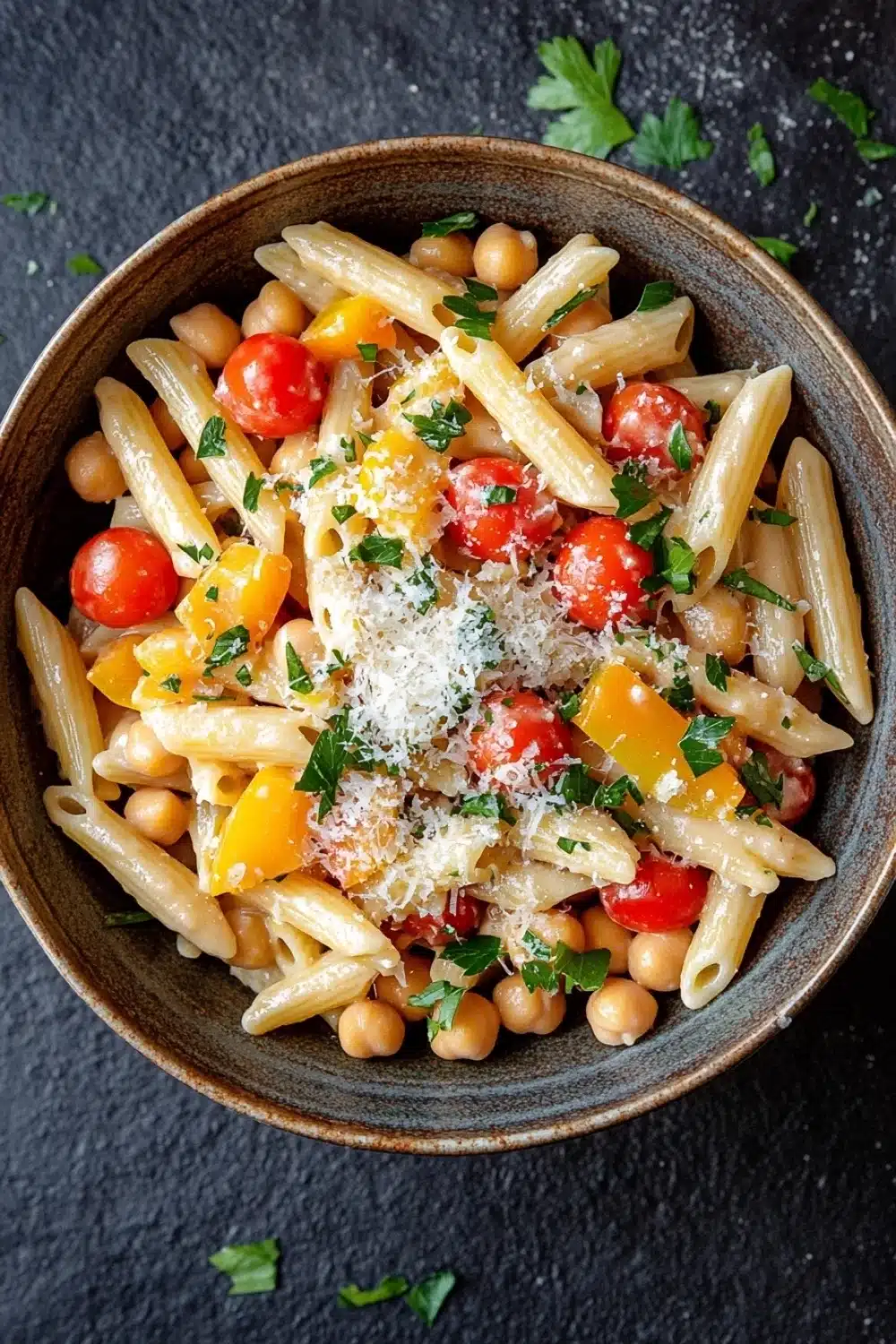
This make ahead pasta is my go-to for camping escapades. It’s no-nonsense, packing a punch with simple ingredients that don’t need a fridge every minute. Bell peppers and cherry tomatoes add crunch and sweetness, while chickpeas bring a hearty, earthy vibe that sticks to your ribs after a long hike.
Cold pasta? Don’t knock it ‘til you try it. Tossed in olive oil, garlic, and herbs, this dish transforms into a tasty, fuss-free meal that tastes just as good at the campsite as it does in the kitchen. Plus, it’s a breeze to throw together, giving you more time to soak up nature instead of playing camp chef all day long.
If you’re planning a trip, check out our our Dinner recipe collection for easy make ahead pasta for camping ideas.
Why This Make Ahead Pasta Rocks for Camping Trips
- Prepping ahead means less fumbling with pots and flames—ideal when you’re tired after a day on the trail.
- The blend of bell peppers, chickpeas, and cherry tomatoes stays fresh and vibrant without refrigeration for a day—trust me, it’s a game changer.
- The pasta holds its texture perfectly, no mushy mess that’s common with make-ahead dishes.
- It’s a nutrient-packed, no-fuss meal that fuels your body without weighing you down.
- Cold or room temp, this pasta serves up big flavor with zero post-hike kitchen drama.
Make Ahead Pasta for Camping
A hearty and flavorful pasta dish that can be prepared ahead of time and easily packed for camping trips. This recipe uses simple ingredients and holds up well without refrigeration, making it perfect for outdoor adventures.
- Prep Time: 15 minutes
- Cook Time: 20 minutes
- Total Time: 35 minutes
- Yield: 4
Ingredients
8 ounces penne pasta
2 tablespoons olive oil
1 medium red bell pepper, diced
1 medium yellow bell pepper, diced
1 cup cherry tomatoes, halved
1 cup canned chickpeas, drained and rinsed
2 cloves garlic, minced
1 teaspoon dried oregano
1 teaspoon dried basil
1/2 teaspoon salt
1/4 teaspoon black pepper
1/4 cup grated Parmesan cheese
2 tablespoons chopped fresh parsley
Instructions
Bring a large pot of salted water to a boil.
Add the penne pasta and cook according to package instructions until al dente, about 10-12 minutes.
Drain the pasta and rinse under cold water to stop the cooking process. Set aside.
In a large mixing bowl, combine the olive oil, diced red and yellow bell peppers, halved cherry tomatoes, chickpeas, minced garlic, dried oregano, dried basil, salt, and black pepper.
Add the cooled pasta to the bowl and toss everything together until well combined.
Stir in the grated Parmesan cheese and chopped fresh parsley.
Transfer the pasta mixture to an airtight container suitable for camping storage.
Refrigerate if possible until ready to pack for your trip. If refrigeration is not available, keep the container in a cool, shaded place and consume within 24 hours.
When ready to serve at the campsite, enjoy the pasta cold or at room temperature.
Explore more:
Dinner Recipes
Make Ahead Pasta for Camping: Smart Tips & Tricks
The Art of Ingredient Swaps for Trail-Friendly Pasta
When I first threw together this pasta dish for a weekend in the backcountry, I quickly realized that swapping ingredients could make or break your camping meal. For example, swapping penne for fusilli or farfalle isn’t just about looks—it holds the sauce and bits better, meaning less dry bites when you’re miles from a cooler. Chickpeas? Solid choice—they bring protein but won’t spoil fast. However, if you’re feeling adventurous, toss in some sun-dried tomatoes or roasted red peppers from a jar. They add punch without the moisture that accelerates sogginess. Fresh herbs like parsley are great, but dry basil or oregano can step up when packing light matters. And forget heavy cheeses; Parmesan is perfect because it doesn’t melt into a gooey mess in your container. Trust me, these swaps keep your pasta dish tasting fresh and sturdy, even after hours in your backpack.
The ‘Why’ Behind Rinsing Pasta Cold—Stop Cooking Dead in Its Tracks
Here’s the deal: cooking pasta to al dente is only half the battle. The real secret weapon? Rinsing it under cold water immediately. This isn’t just a random step—it halts the cooking process cold. Literally. If you skip this, your pasta keeps cooking from residual heat and turns mushy. Nobody wants soggy pasta, especially not on a trail where texture can make or break your appetite. Cold rinsing also washes away excess starch that would otherwise glue your pasta pieces together, turning your once vibrant dish into a gloopy mess. Plus, this step helps cool the pasta fast, so when tossed with olive oil and veggies, it stays fresh and separated—prime for packing. From my experience, the difference is night and day. Pasta that is cooled properly holds its shape and flavor way better, making your camping meal a winner every time.
Fixing the Pasta Failures: When Things Go South on the Trail
Let’s talk about what to do when your make-ahead pasta doesn’t quite hold up—because it happens. Maybe your pasta got mushy, veggies soggy, or flavors dull after a day or two. First, don’t toss it immediately. If the texture is off because it absorbed too much moisture, give it a quick toss with a splash of olive oil and a pinch of salt. This can help revive separation and boost flavor. If the dish tastes flat, a handful of fresh chopped herbs or a squeeze of lemon juice (if you packed some) can bring brightness back. Now, if you accidentally left it too long unrefrigerated and it smells funky—cut your losses. Food poisoning on a hike is no joke. Always remember: timing is clutch. Consume within 24 hours if refrigeration isn’t an option. Lastly, for next time—pack a small ice pack or insulated sleeve. It’s a game changer. I’ve been there—learning these hard truths means your pasta stays tasty and safe, and your camping karma stays intact.
Camping Pasta FAQ
Yes! Just skip the Parmesan cheese or swap it out with a plant-based alternative. It keeps the flavor punch without dragging dairy along your trail.
Nope. As long as you keep it in a cool, shaded spot and eat it within 24 hours, you’re golden. Beyond that, it’s a gamble not worth taking when you’re out in the wild.
Absolutely. Just choose a sturdy shape like fusilli or rigatoni that won’t turn into mush after sitting around. These shapes hold up better and soak up all the flavors nicely.
Go airtight, no exceptions. I like using BPA-free containers with tight lids or heavy-duty resealable bags to keep critters out and the pasta fresh. Trust me, once you’ve dealt with a campfire pasta spill, you’ll swear by this.
Definitely, if you have a camping stove or fire going. Just give it a quick toss in a pan or reheat carefully so it doesn’t dry out. But honestly, cold or room temp is the real MVP here—no fuss, no mess.