
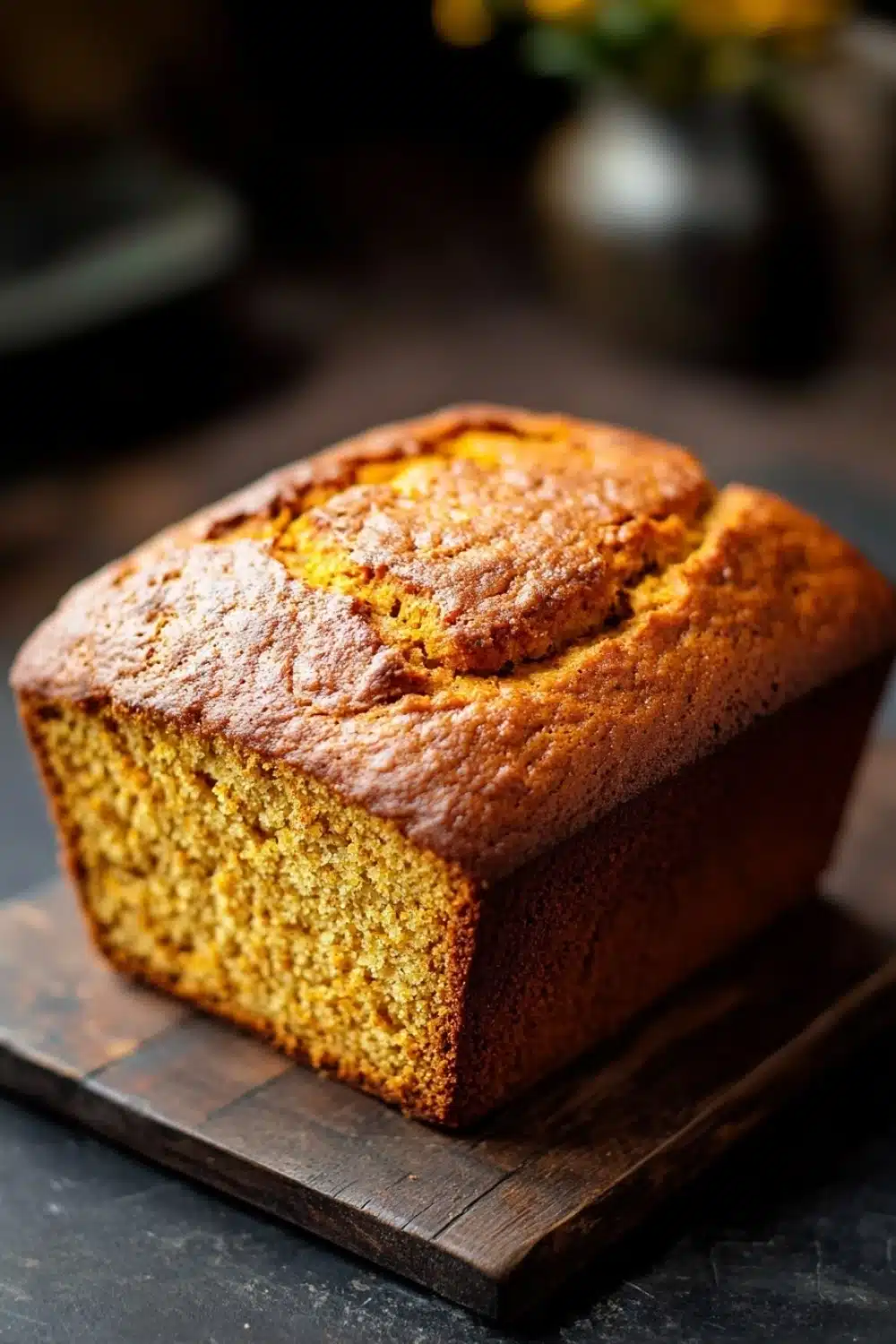
Altitude changes everything.
In the thin mountain air, baking pumpkin bread is more than just mixing ingredients—it’s a game of adjustments. I learned this the hard way, fumbling through dense, sunken loaves until I cracked the code. The key? Respecting how flour, leaveners, and moisture behave up where the air is crisp and pressure is low.
Imagine the kitchen filled with the rich scent of cinnamon and nutmeg, the warmth of the oven contrasting the chilly altitude breeze outside. That familiar autumn aroma wrapping around you, coaxing you to slice into that first golden loaf. But beware—the wrong tweak here can turn moist crumb into dry rubble. It’s not for the faint-hearted; this is where baking nerds earn their stripes.
The payoff? A tender, fragrant pumpkin bread that rises tall with a crackly crust, packed with cozy spice notes that make you want to dig in repeatedly. If you’ve ever battled the quirks of high-altitude baking, you know the sweet victory of a loaf baked just right. Let’s talk about how to make this happen every time.
If you’re looking to perfect your pumpkin bread high altitude baking skills, check out our detailed guide on Mastering Pumpkin Bread at High Altitude: Tips for Perfect Loaves for some great tips.
Why This High Altitude Pumpkin Bread Works Wonders
- Handles altitude quirks like a champ — no more flat or dense loaves that break your heart.
- Spice blend hits that cozy, fall vibe without overpowering the pumpkin’s natural charm.
- Moist crumb that stays tender for days — perfect for those grab-and-go mornings or afternoon noshing.
- Easy to slice cleanly thanks to the parchment paper trick — no crumbling disasters here.
- Versatile storage options mean you can stash it away for later or share the wealth without worrying about staleness.
High Altitude Pumpkin Bread
A moist and flavorful pumpkin bread perfectly adapted for high altitude baking, featuring warm spices and a tender crumb.
- Prep Time: 15 minutes
- Cook Time: 55 minutes
- Total Time: 1 hour 10 minutes
- Yield: 10 slices
Ingredients
1 3/4 cups (210 grams) all-purpose flour
1 teaspoon baking powder
1/2 teaspoon baking soda
1/2 teaspoon salt
1 1/2 teaspoons ground cinnamon
1/2 teaspoon ground nutmeg
1/4 teaspoon ground cloves
1/4 teaspoon ground ginger
1 cup (200 grams) granulated sugar
1/2 cup (100 grams) packed light brown sugar
1/2 cup (120 ml) vegetable oil
2 large eggs
1 cup (240 ml) canned pumpkin puree
1/4 cup (60 ml) buttermilk
1 teaspoon pure vanilla extract
Instructions
Preheat the oven to 350°F (175°C). Lightly grease a 9×5-inch loaf pan and line it with parchment paper, leaving an overhang on the sides for easy removal.
In a medium bowl, whisk together the all-purpose flour, baking powder, baking soda, salt, ground cinnamon, ground nutmeg, ground cloves, and ground ginger until well combined.
In a large bowl, whisk the granulated sugar, light brown sugar, and vegetable oil until smooth and well combined.
Add the eggs one at a time to the sugar and oil mixture, whisking well after each addition.
Stir in the canned pumpkin puree, buttermilk, and vanilla extract until fully incorporated.
Gradually add the dry ingredients to the wet ingredients, folding gently with a spatula until just combined. Do not overmix.
Pour the batter into the prepared loaf pan and smooth the top with a spatula.
Bake for 50 to 60 minutes, or until a toothpick inserted into the center comes out clean or with a few moist crumbs.
Remove the bread from the oven and let it cool in the pan for 15 minutes.
Using the parchment paper overhang, lift the bread out of the pan and transfer it to a wire rack to cool completely before slicing.
Explore more:
Breakfast Recipes
Mastering High Altitude Pumpkin Bread: Tips & Tricks
The Ingredient Dance: Swapping Without Slipping
When baking pumpkin bread up high, ingredients don’t play by the usual rules. Flour? Yeah, you can swap all-purpose for cake flour if you want a softer crumb, but remember—cake flour absorbs less liquid, so dial down the buttermilk a smidge. Oil? Sometimes I like using melted butter instead to add a subtle toasty note, but keep in mind butter firms up at cooler temps, which can change your batter’s vibe. Eggs are the glue here—two large eggs lock moisture and structure, but if you’re out, one large egg plus two tablespoons of unsweetened applesauce can pull a neat switcharoo without drying things out. Brown sugar? Don’t ditch it entirely; it’s got that moisture-locking mojo and deep flavor you want for pumpkin bread’s warmth. Subbing in coconut sugar? Go easy—it’s less sweet and can dry your loaf if you’re not careful.
Why High Altitude Demands a Different Tune
Up where the air thins, water boils faster, and pressure drops, baking feels like a whole new ballgame. Here’s the skinny: moisture evaporates quicker, and your leaveners (baking powder, baking soda) get overzealous, causing your bread to rise faster and then collapse like a bad soufflé. That’s why this recipe trims the baking powder and soda a bit compared to sea-level versions. Less leavening means a sturdier crumb, not a puffed-up flop. Plus, upping the oven temp just a tad—350°F instead of 325°F—is like telling the bread to set its structure quicker before it over-expands. I’ve learned that patience is key here: don’t open that oven door like you’re cooling off on a hot day; it throws off the temperature dance and can deflate your hard work.
Fixing the Usual Suspects: When Things Go Sideways
Too dry? It happens. High altitude baking can leach moisture fast. Next time, sneak in an extra tablespoon or two of buttermilk or pumpkin puree—this loaf drinks it up. If your bread turns out dense or heavy instead of tender, you might have overmixed your batter—when flour meets too much agitation, gluten toughens up, and that’s no bueno in quick breads. Also, check your oven temp with an independent thermometer; many ovens run hot or cold, wrecking your bake. And if the top is cracking like a desert floor—don’t sweat it—that’s just the bread’s high-altitude battle scars. A gentle tent of foil halfway through baking can calm that crust down. Lastly, if your loaf collapses right after coming out, it’s probably rising too fast. Next batch? Cut down the leavening agents a smidge more or bake at a slightly higher temp to help the structure set faster.
High Altitude Pumpkin Bread FAQs
- Can I use fresh pumpkin instead of canned?
- Yes, but you’ll need to cook and puree the pumpkin first. Fresh puree tends to have more water, so drain it well or your bread could go soggy—a total no-go in the high-alt game.
- Why do I need to adjust recipes for high altitude?
- At elevations above 3,000 feet, the air pressure drops, which messes with how your baked goods rise and set. Things dry out faster, rise quicker, and can collapse if you don’t tweak the flour, leaveners, and liquids. This pumpkin bread recipe is dialed in for those mountain peaks, so you don’t end up with a flat flop.
- Can I substitute oil for butter?
- Absolutely. Oil keeps this bread super moist. Butter adds flavor but can make your crumb denser at altitude. If you’re feeling bold, try a mix—half oil, half melted butter—and see if that floats your boat.
- Do I need to cool the bread before slicing?
- Yes. Resist the urge to slice hot bread straight from the pan. Letting it cool completely lets the crumb set up properly. Otherwise, you’ll end up with a crumbly mess and a kitchen full of regret.
- Is this gluten-free?
- No, this recipe uses all-purpose flour. But if you want a gluten-free twist, you’ll have to experiment with blends and possibly add xanthan gum to get that good crumb structure.